Today, let's talk about a high-efficiency conveyor belt conveyor
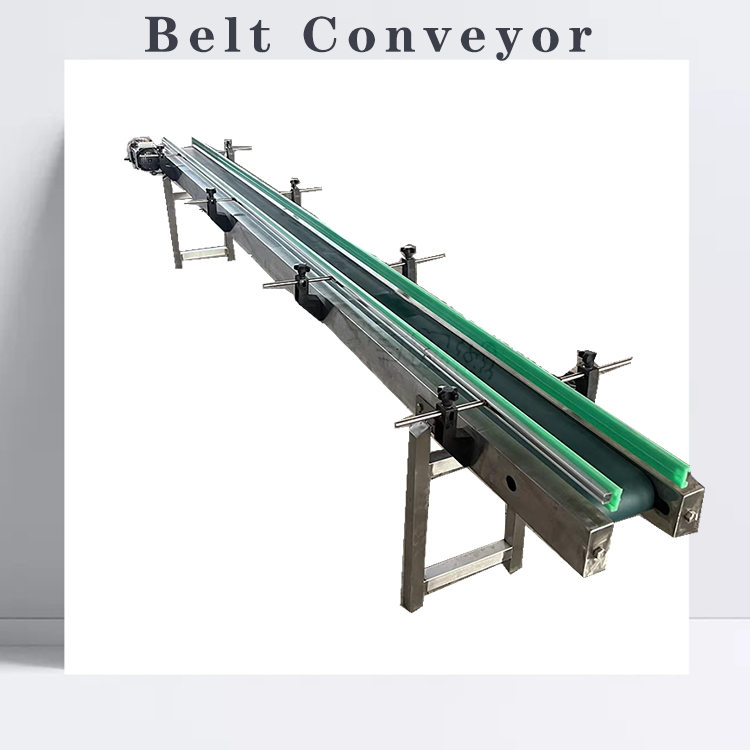
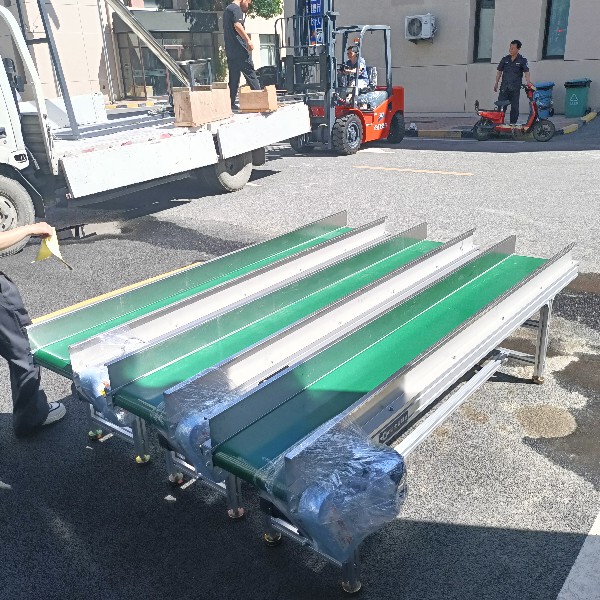
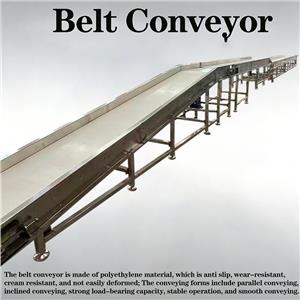
Belt conveyors are mainly composed of frames, conveyor belts, belt rollers, tensioning devices, transmission devices, etc. They have the advantages of stable conveying, high conveying efficiency, simple structure, easy maintenance, and standardized components.
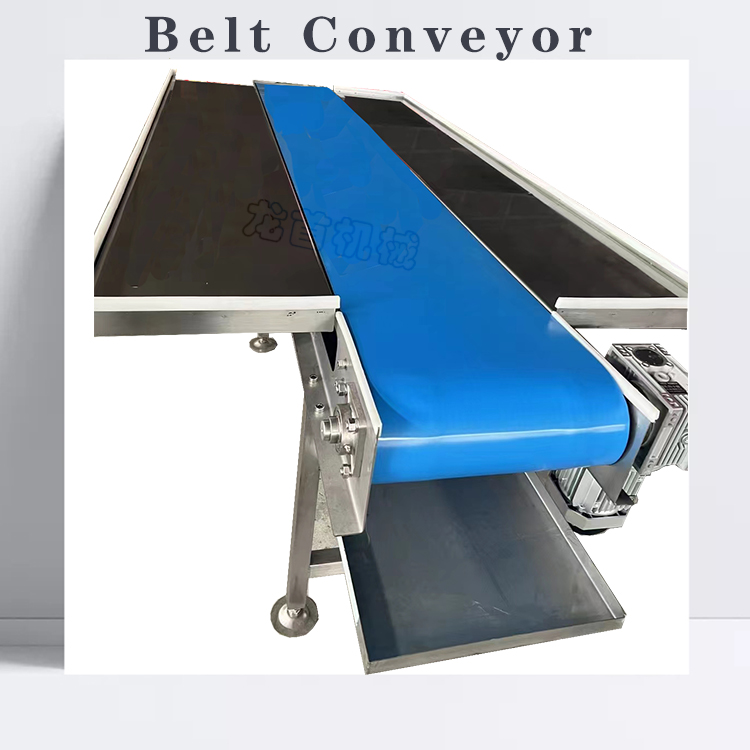
Belt conveyors are mainly used in industries such as food processing, chemical industry, building materials, logistics and express delivery, manufacturing, etc.Conveyor belts are divided into PVC conveyor belts, PU conveyor belts, plastic chain plate conveyor belts, modular mesh conveyor belts, nylon conveyor belts, PTFE conveyor belts, and stainless steel conveyor belts according to their materials. Customers can choose according to their actual needs.
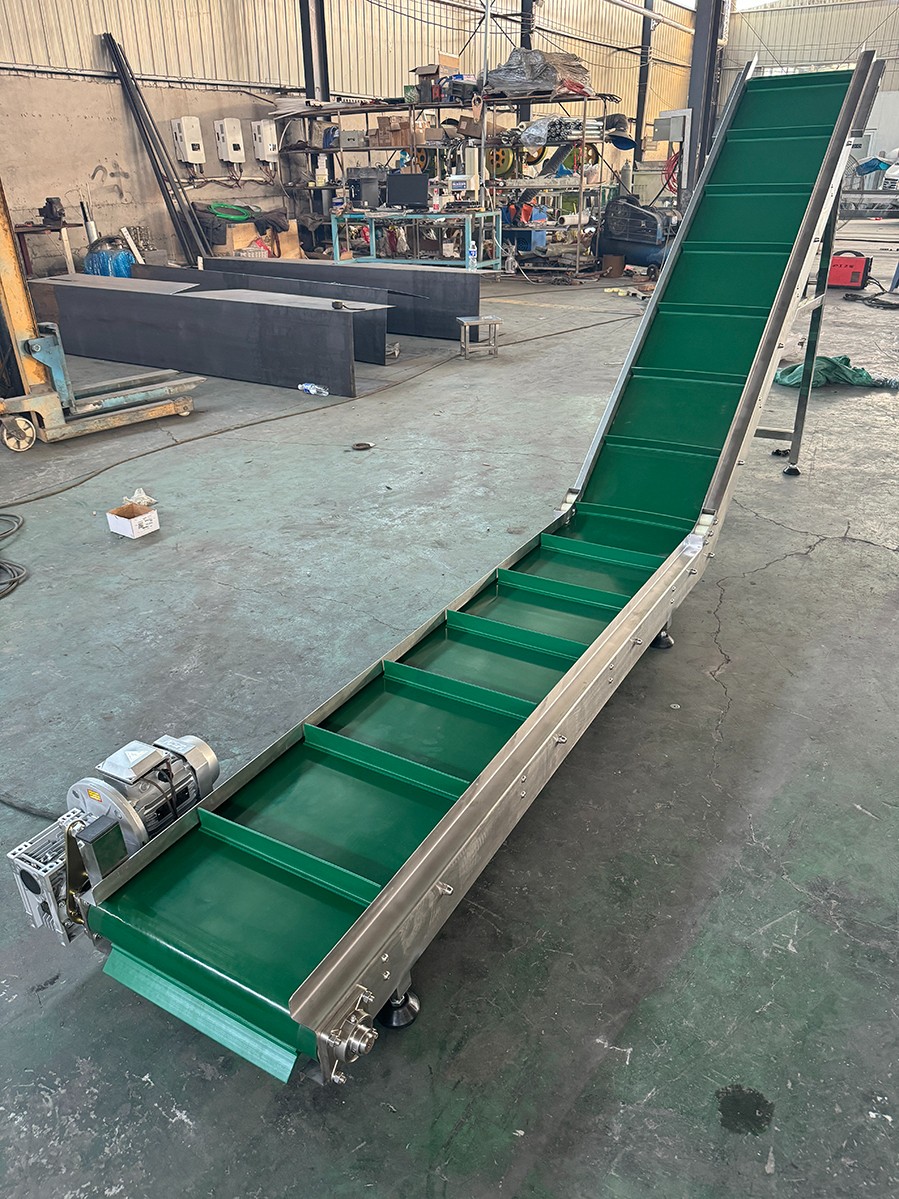
Technical parameters of belt conveyor:
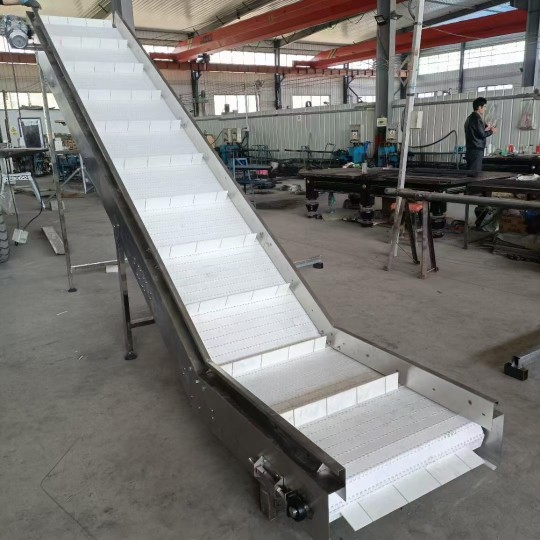
1. The main conveying forms are: parallel conveying and climbing conveying.
2. The driving form is: motor-driven conveying form.
3. The commonly used width of the belt is 100-2000MM, and it can also be customized according to customer requirements.
4. The materials of conveyor belts include rubber belts, PVC belts, canvas belts, food belts, etc.
5. The forms of conveyor belts include: barrier conveyor belt, fence conveyor belt, skirt conveyor belt, flat belt, and anti-skid belt.
6. The size of the workbench is customized according to the user, and the line support includes stainless steel, aluminum profiles, carbon steel spray coating, etc.
7. The conveying speed is generally 0.1-10M/min; Speed regulation or fixed speed can also be used according to user needs.
8. The speed regulation methods include: frequency conversion speed regulation/stepless speed regulation, electronic speed regulation, etc.
9. The materials of the belt frame include carbon steel, stainless steel, and aluminum profiles.
Selection method for belt conveyor:
1. Characteristics of materials
Mainly including moisture content, temperature, acidity, etc., the materials we use for belt conveyors
vary depending on the properties of the materials. As belts that come into direct contact with the
materials, they mainly include rubber, plastic, steel wire rope, and tape. For example, rubber belts are
suitable for working environments with temperatures between -15 ° C and 40 ° C, while material
temperatures are generally ≤ 50 ° C. Plastic belts have the advantages of oil, acid, alkali resistance, etc.
Different materials of belts have different costs and prices, so users need to choose reasonably.
2. Delivery capacity requirements
The size of the conveying capacity determines the choice of model and motor power. The larger the
conveying capacity of the belt conveyor, the higher the belt speed should be selected, and the larger
the model.
3. Installation environment and requirements
It mainly includes whether there are bends or corners, whether there are inclined sections and their
distances, whether there is a need for edge blocking, detailed dimensions, and whether there is
flexibility adjustment for the entire machine or part.
4. Tilt angle
It is necessary to clarify whether the material is being conveyed upwards and the inclination angle. The
larger the inclination angle of the conveyor and the shorter the conveying distance, the lower the belt
speed.