Today, let's talk about the functions of a small reaction kettle
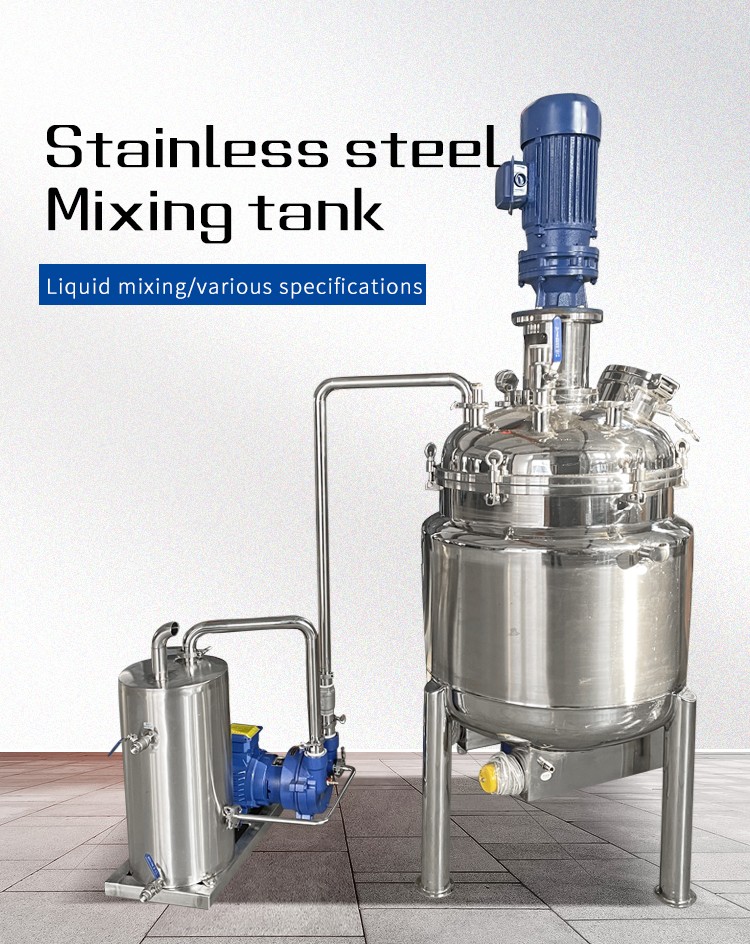
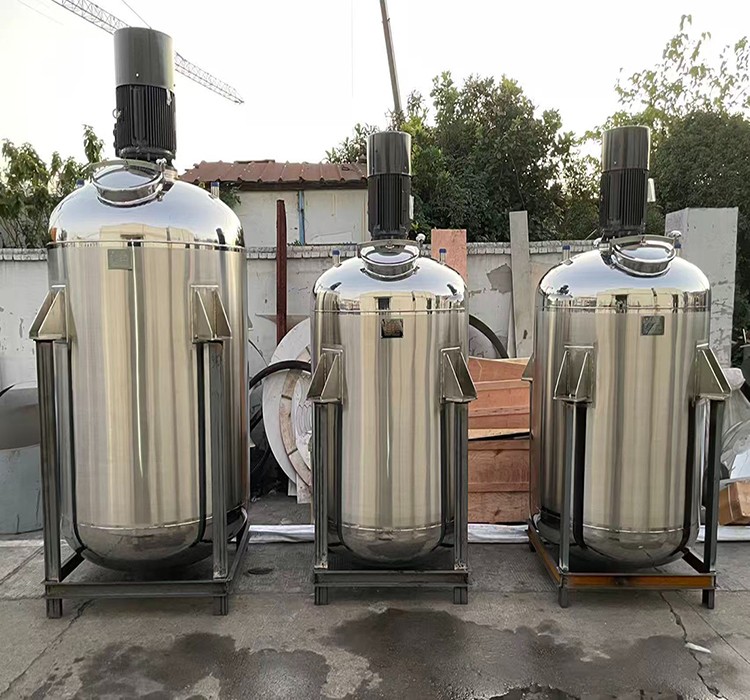
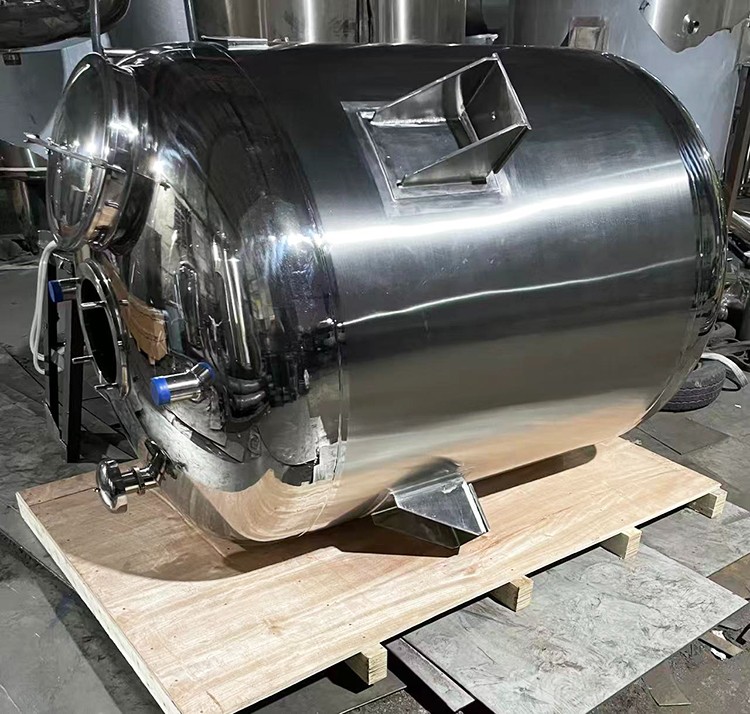
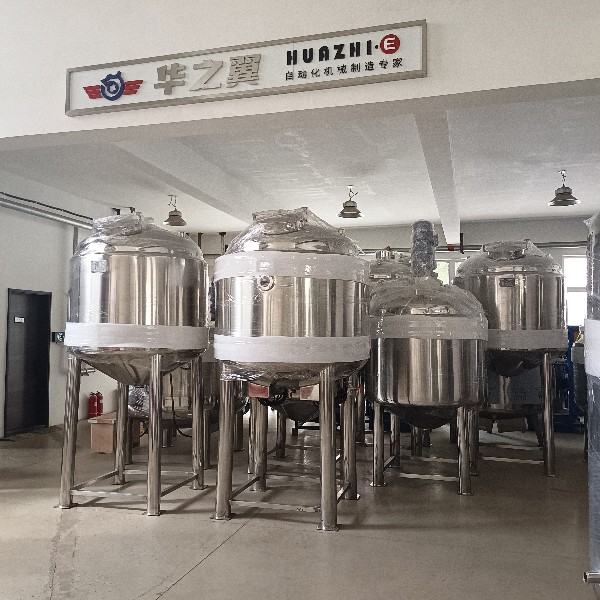
Stainless steel vacuum reactors are suitable for use in industries such as food, chemical, daily chemical, and laboratory. Different specifications ranging from 10L to 10000L can be selected according to customers' actual production capacity needs. A reaction kettle is a device used to implement reaction processes, including single-phase liquid reactions and multiphase reactions such as liquid-liquid, gas-liquid, liquid-solid, and gas-liquid solid reactions. Stirring devices (mechanical stirring, air flow stirring, etc.) are often installed inside the kettle.
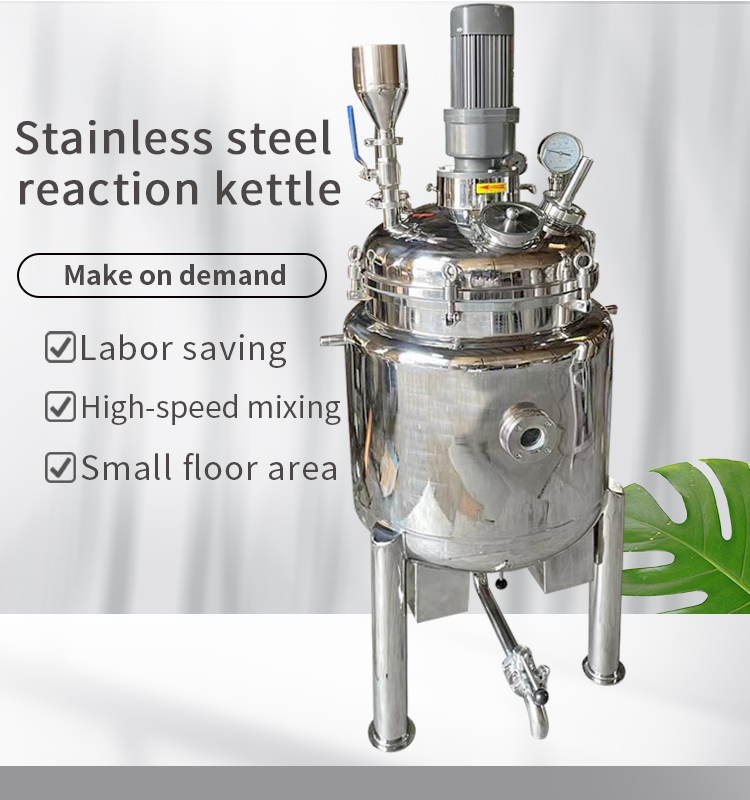
The four key components of the vacuum reactor core are:
Kettle body: Made of high-quality stainless steel corrosion-resistant material, designed as a cylindrical shape according to process requirements to ensure sealing and stability under negative pressure environment;
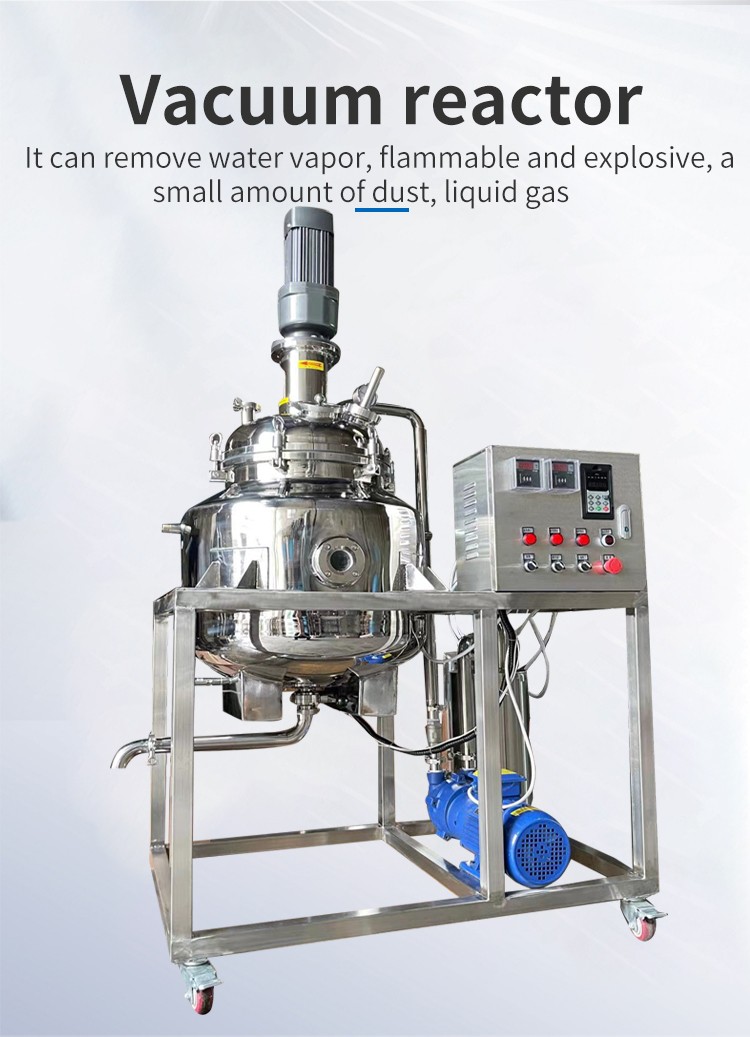
2. Vacuum system: including vacuum pump, vacuum valve, and vacuum gauge, which can accurately control the vacuum degree (common range -0.06~1MPa);
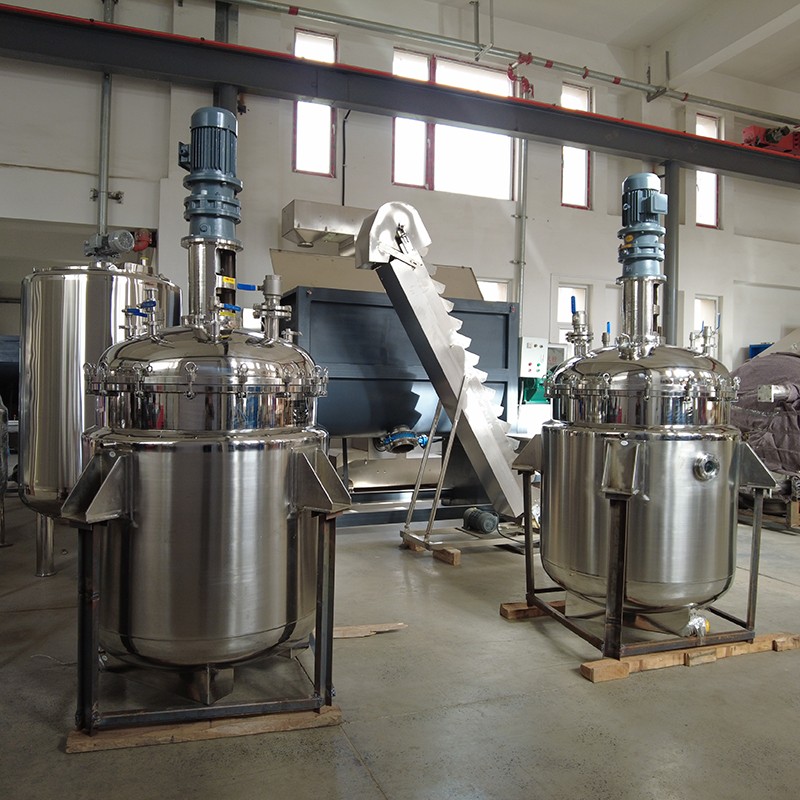
3. Mixing system: composed of a motor, a mixing shaft, and mixing blades. The mixing blade styles (anchor type, blade type, frame type, dispersing disc type, turbine type, etc.) can be customized as needed to achieve uniform mixing of materials and improve reaction efficiency;
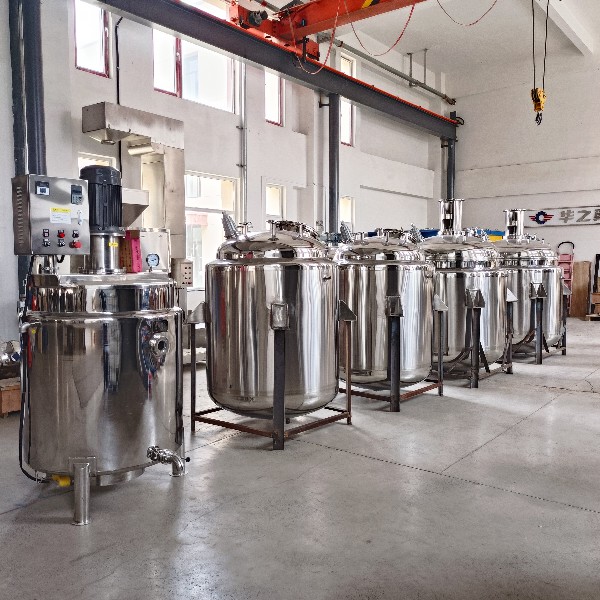
4. Temperature control system: Steam, thermal oil, or cooling water is introduced through a jacket or coil to accurately control the temperature inside the kettle (ranging from room temperature to 200 ℃) and adapt to different reaction process requirements.
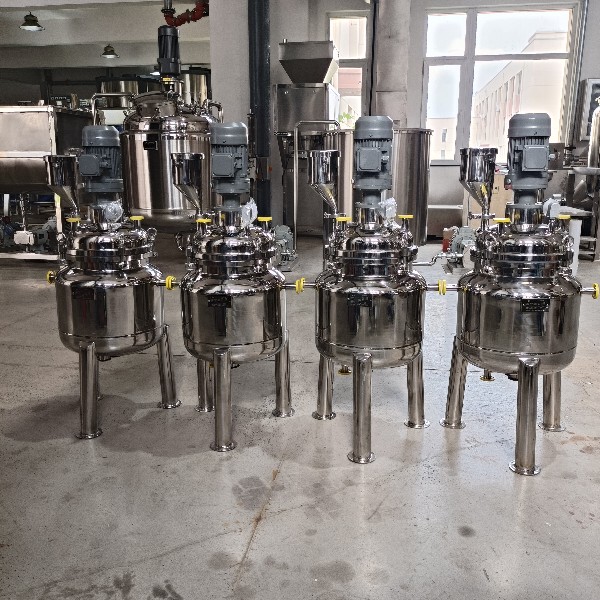
Requirements for the use of the reactor sealing device:
1. Packing sealing is usually used under normal or low pressure conditions, with a pressure of less than 2 kilograms.
2. In general, mechanical seals are used for medium pressure or vacuum situations, with a pressure of negative pressure or 4 kilograms.
3. Magnetic sealing will be used under high pressure or high volatility of the medium, generally with a pressure greater than 14 kilograms. Except for magnetic seals that use water cooling, other sealing forms will increase the cooling water jacket when the temperature is above 12 degrees.
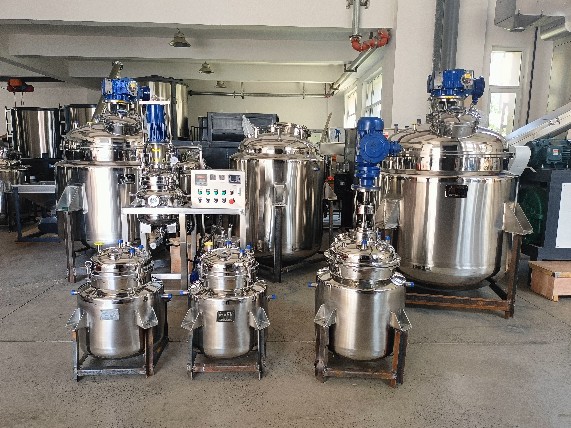
Introduction to Reactor Equipment:
1. Material: Made of stainless steel materials such as SUS3O4 and SUS316L.
2. Agitators: anchor type, frame type, paddle type, turbine type, scraper type, dispersing disc type, combination type.
3. Rotating mechanism: cycloidal pinwheel reducer, continuously variable speed reducer or variable frequency speed regulation, etc.
4. Sealing device: mechanical seal, packing seal and other sealing structures.
5. Heating and cooling devices: jacket, half tube, coil, Miller plate, etc.
6. Heating methods include steam, electric heating, and thermal oil.
7. Pressure inside the kettle: normal pressure, positive pressure, negative pressure.