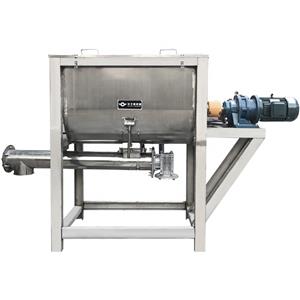
Today, let's talk about the spiral feeding horizontal mixer
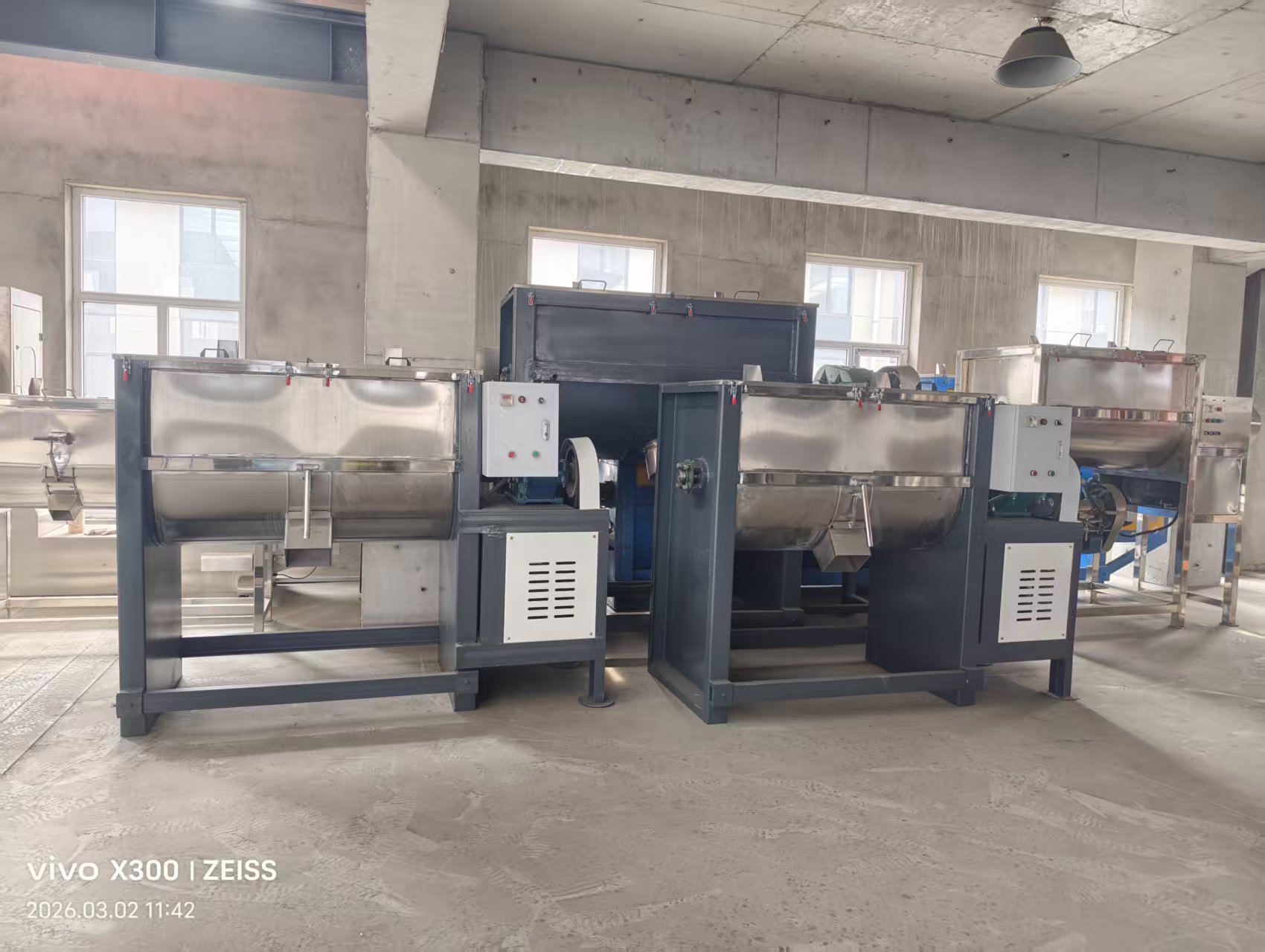
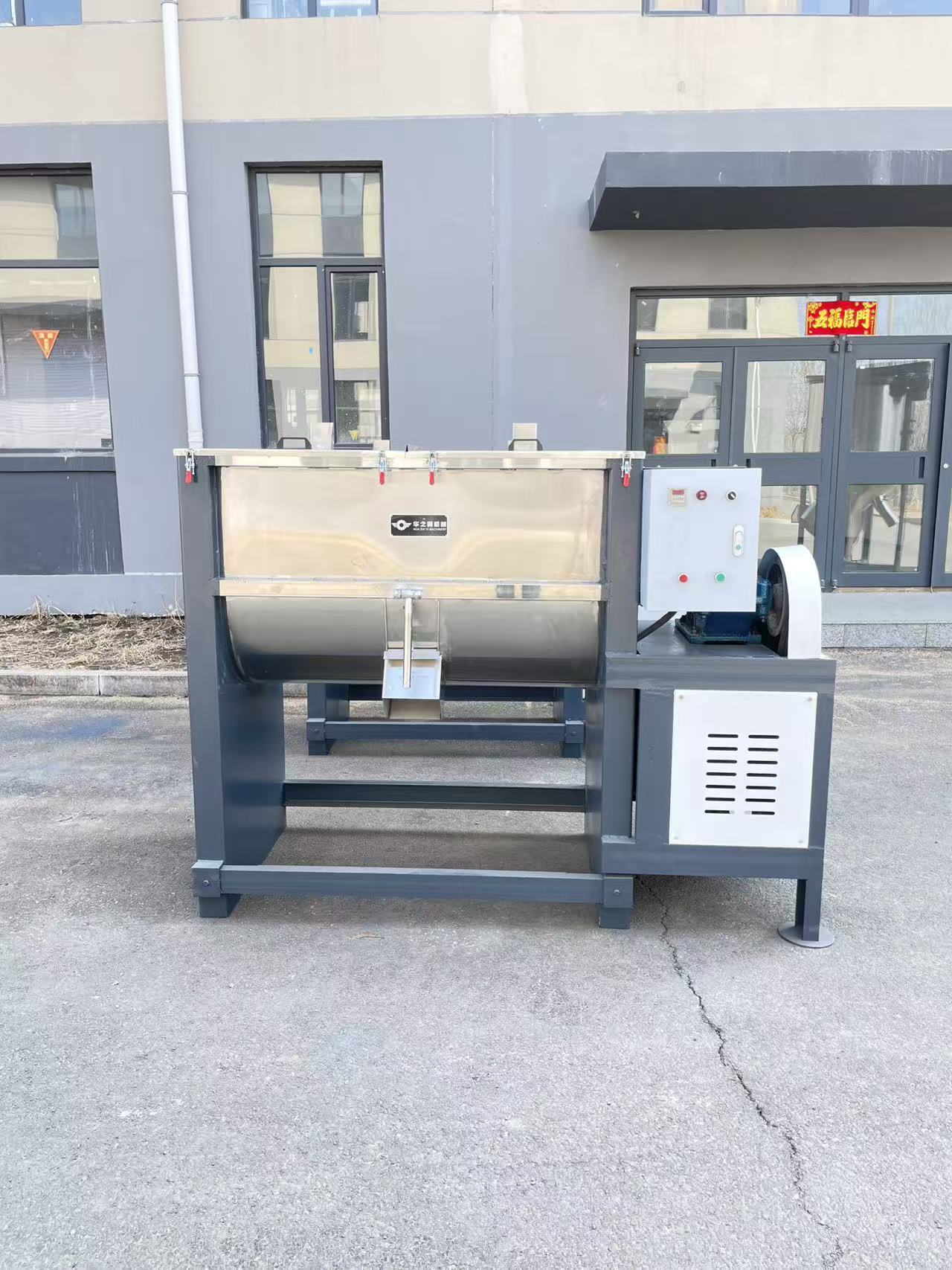
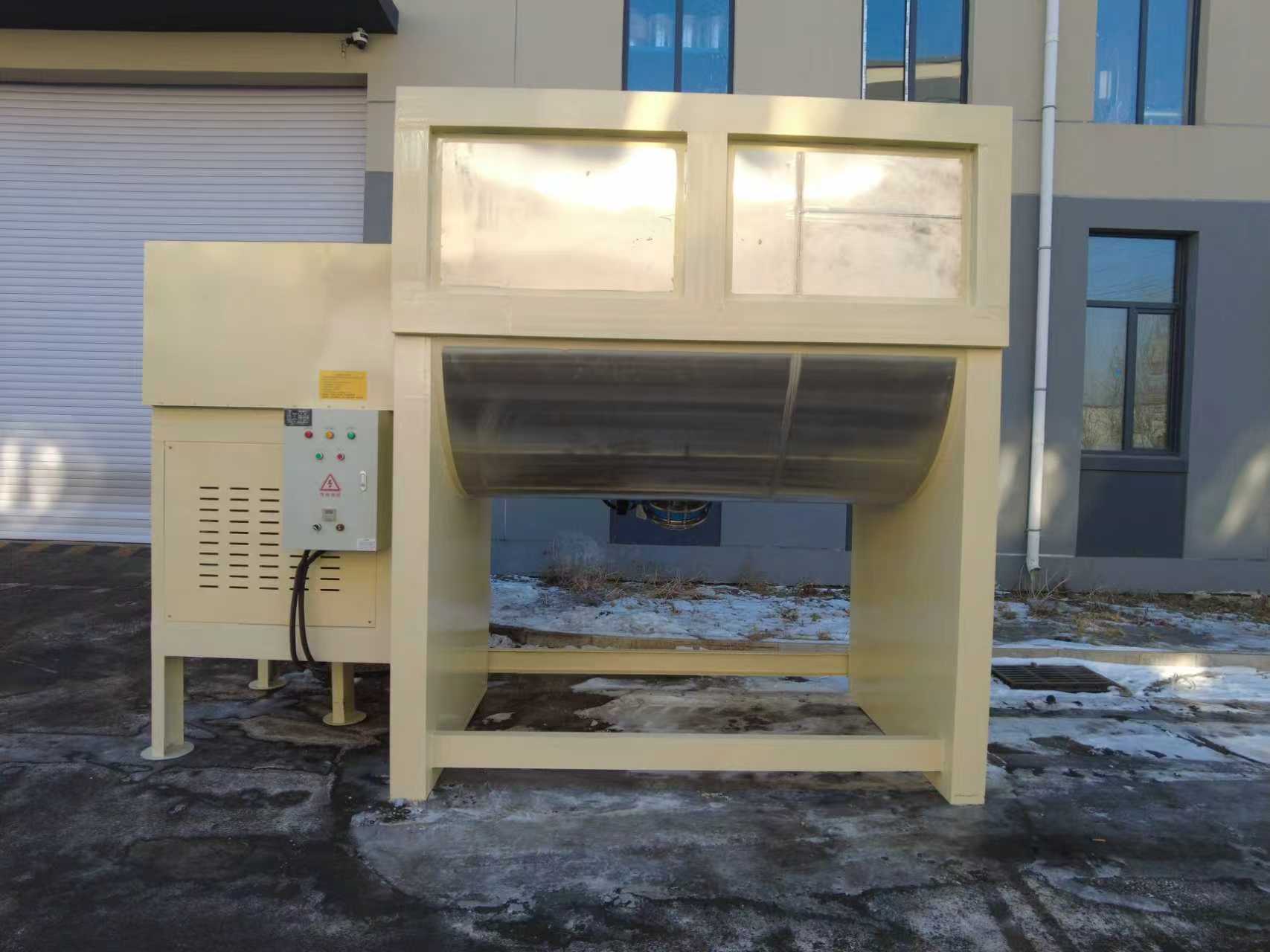
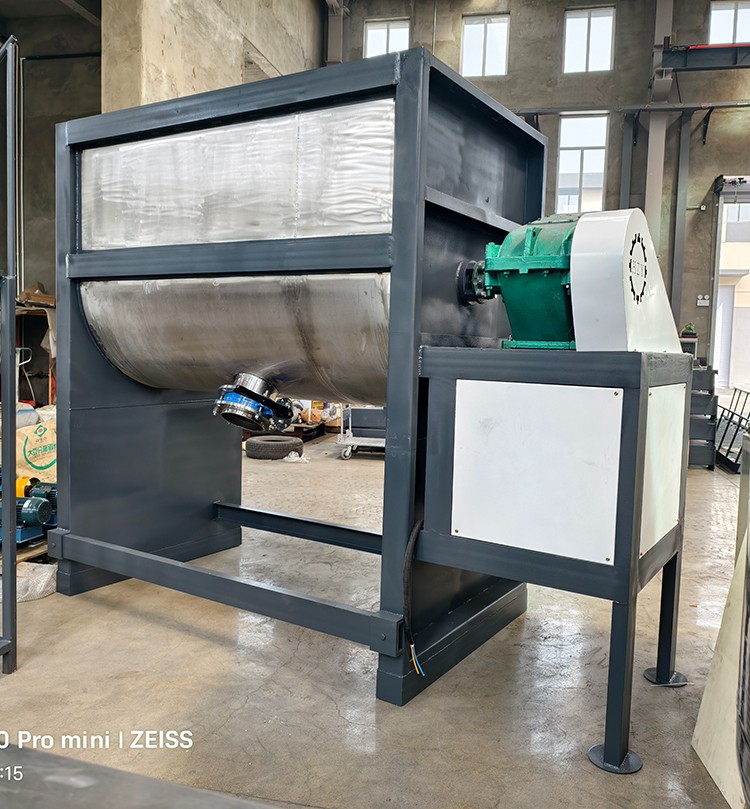
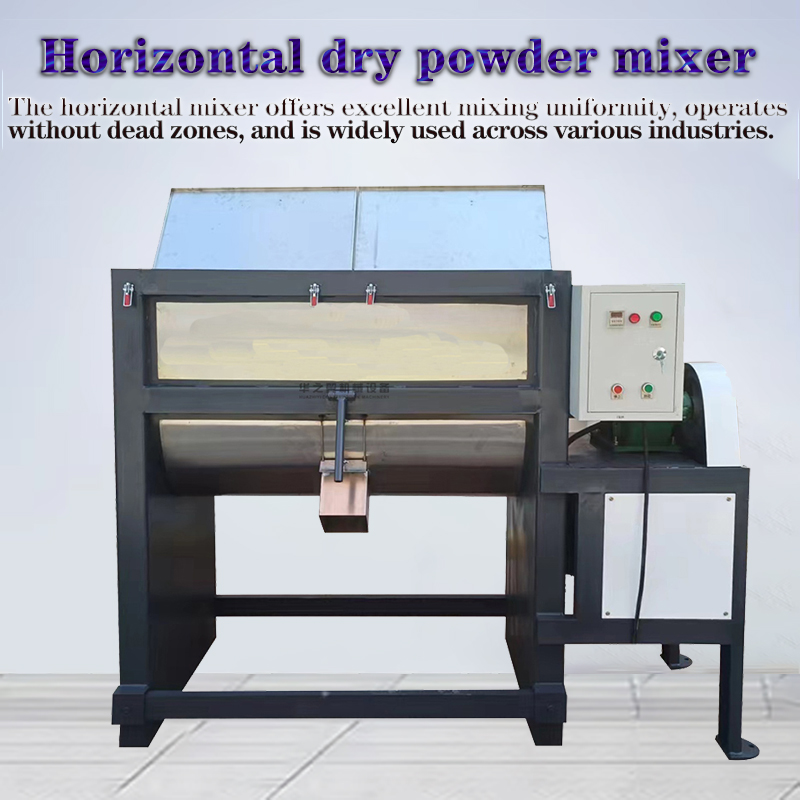 The cylinder of the horizontal mixer is installed horizontally as a whole, mostly in the form of a U-shaped groove (mainstream), and a few in the form of a cylindrical shape. The material is divided into carbon steel and stainless steel 304/316, and the cylinder body is divided into single-layer and double-layer jackets (which can be heated, cooled, and insulated by water/thermal oil), meeting the temperature control mixing requirements and belonging to continuous/intermittent mixing equipment.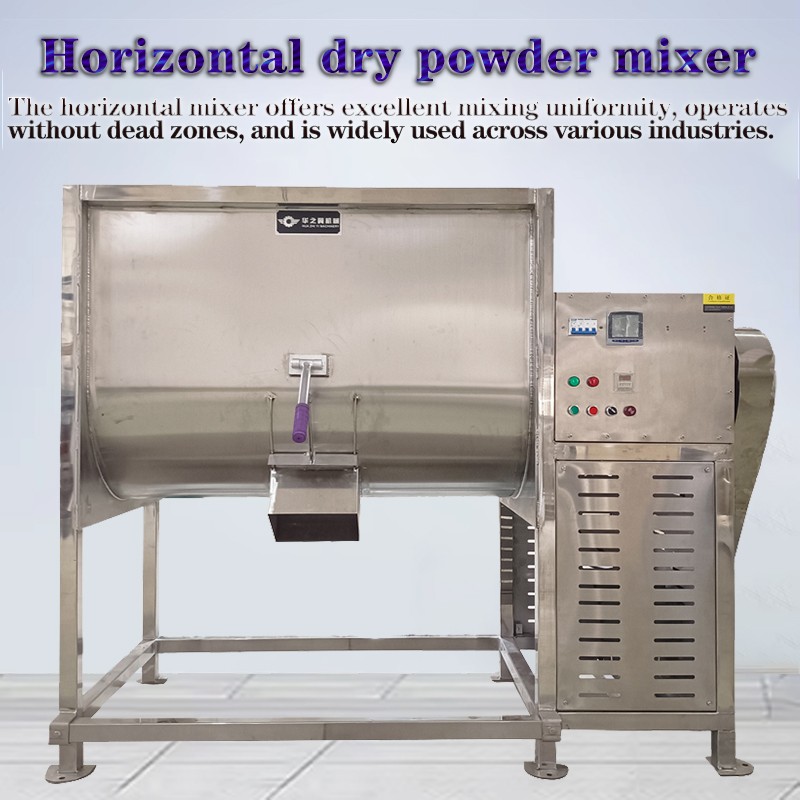
Widely used in industries such as chemical, building materials, feed, food, plastics, metallurgy, putty powder, dry powder mortar, etc., it is the core equipment for industrial batch mixing with high mixing uniformity, large production capacity, wide adaptability to materials, and stable operation.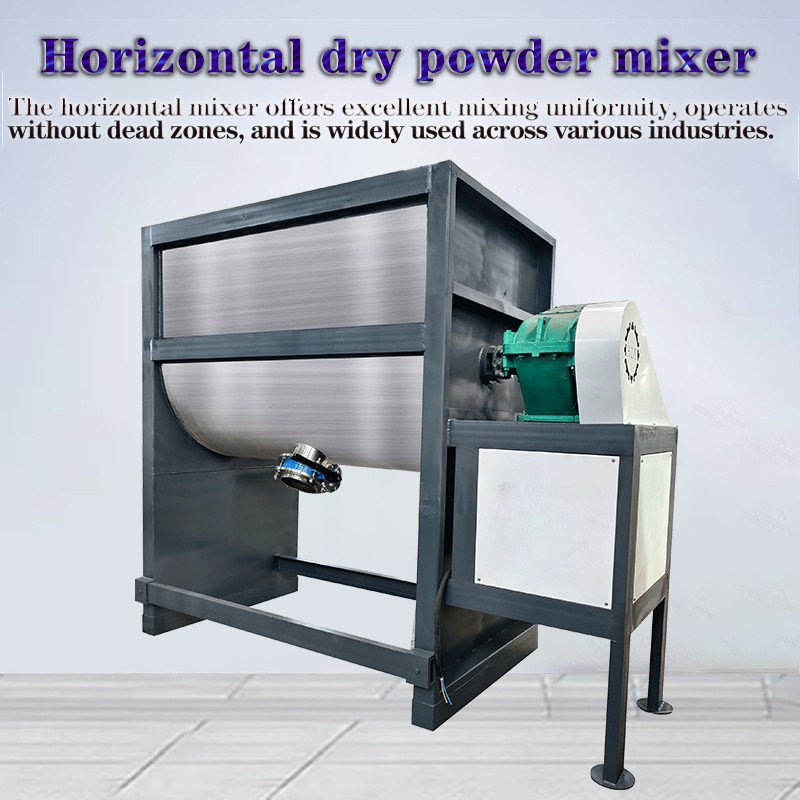
Horizontal mixer discharge method:
1. Bottom gate valve discharge: manual/pneumatic/electric gate valve, installed at the lowest point of the U-shaped cylinder, with clean discharge and fast speed, suitable for dry powder and particles.
2. Spiral conveying discharge: A discharge spiral is installed on the side/bottom of the cylinder, which can be used for closed conveying and directional feeding. It is suitable for automated production lines and has no dust.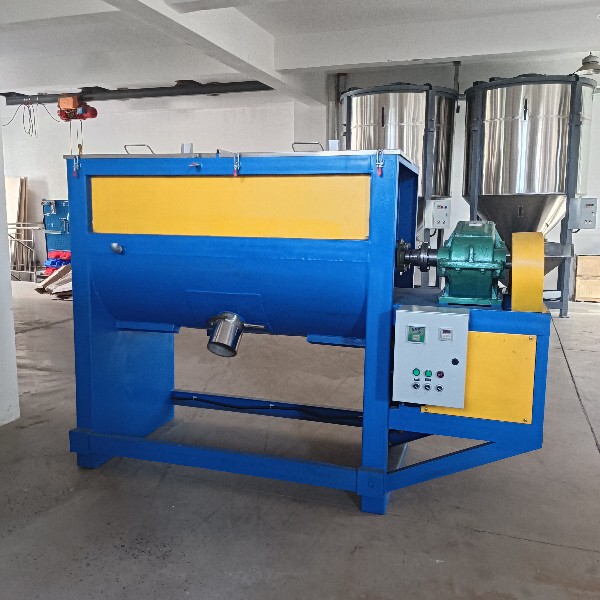
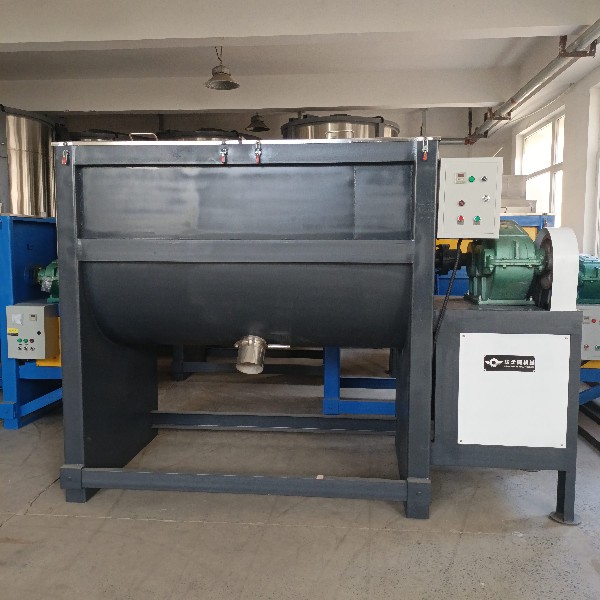
Horizontal mixer application industry&materials:
1. Building materials industry: dry powder mortar, putty powder, tile adhesive, jointing agent, gypsum powder
2. Agricultural and animal husbandry feed: compound feed, premix, additives, powder feed
3. Chemical industry: dyes, pigments, rubber and plastic additives, fertilizer powders
4. Food industry: flour ingredients, miscellaneous grain flour, seasonings, meal replacement powder
5. Plastic and rubber: plastic particles, colorants, modified plastics, calcium powder fillers
6. Other: metallurgical mineral powder, ceramic raw materials, daily chemical powder, activated carbon mixture
Routine operation and maintenance points of horizontal mixer
1. Feeding: Metal hard objects are prohibited from entering the cylinder to avoid damaging the mixing components; The material filling amount should be controlled between 60% and 80% of the volume.
2. Operation: No load startup, strictly prohibit forced startup with full load; Do not open the maintenance port or protective cover during operation.
3. Discharge: Select gate valve/spiral discharge according to the material, and give priority to large-diameter gate valves for wet and viscous materials.
4. Daily maintenance: Regularly check bearings, seals, and gearbox lubricating oil; When replacing different materials in batches, promptly clean the residue inside the cylinder to prevent cross contamination.