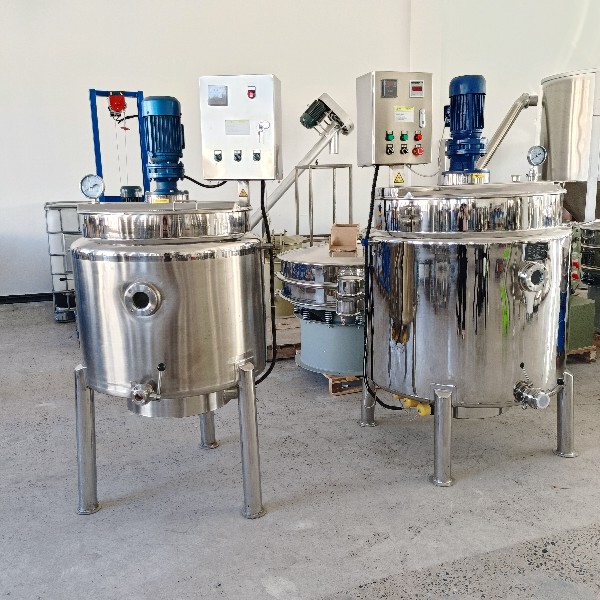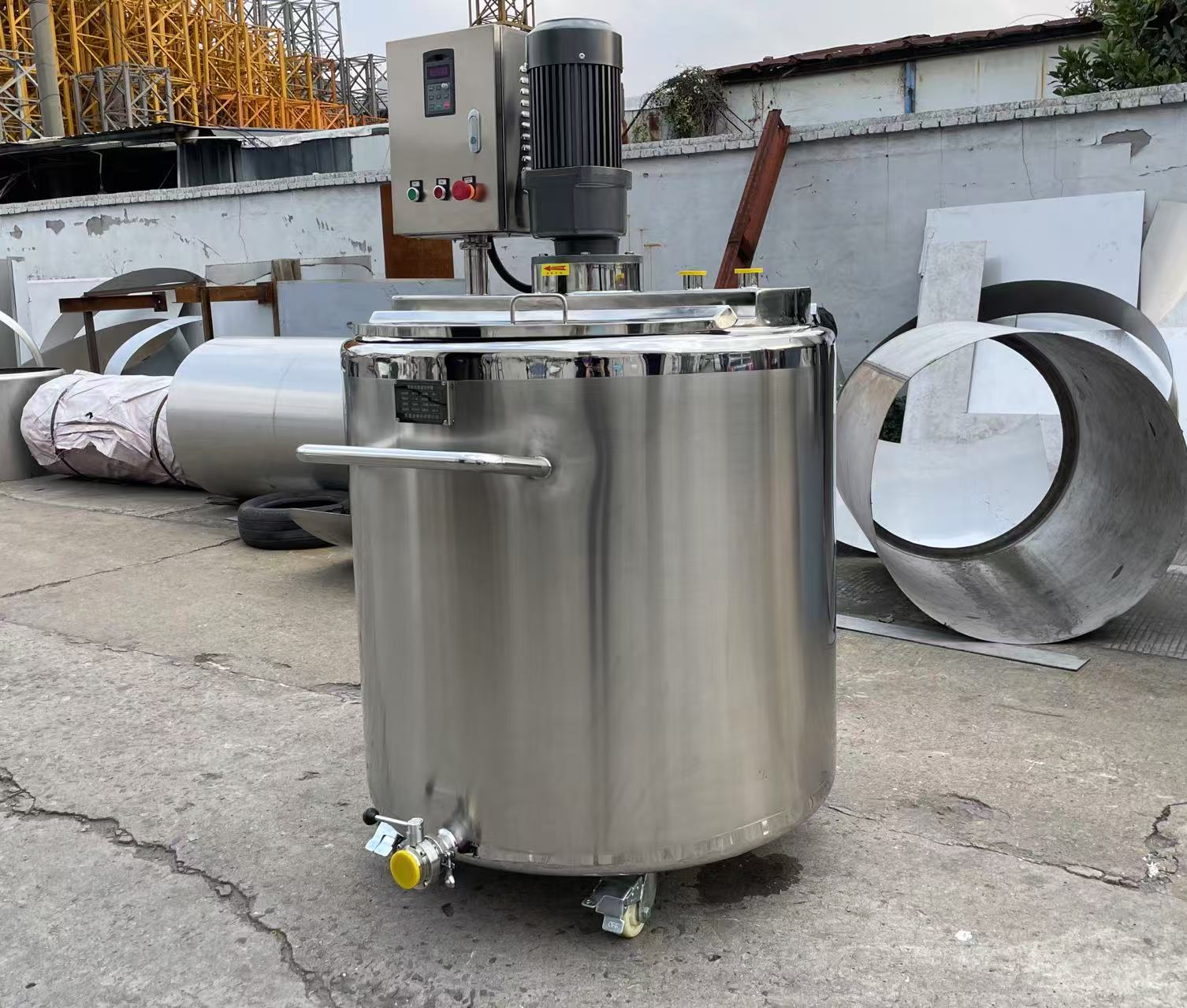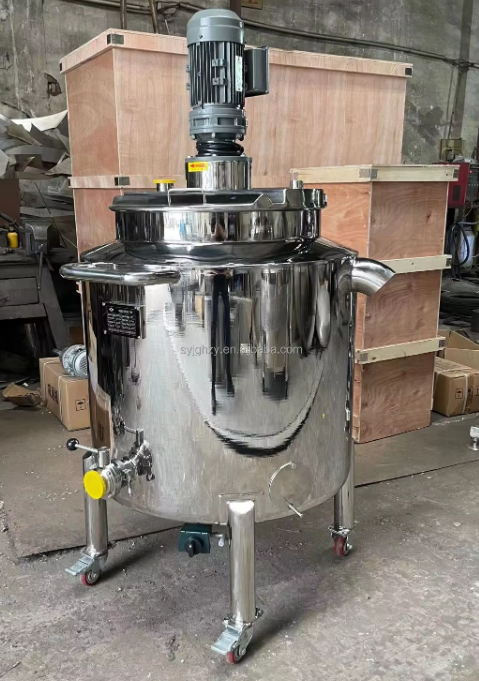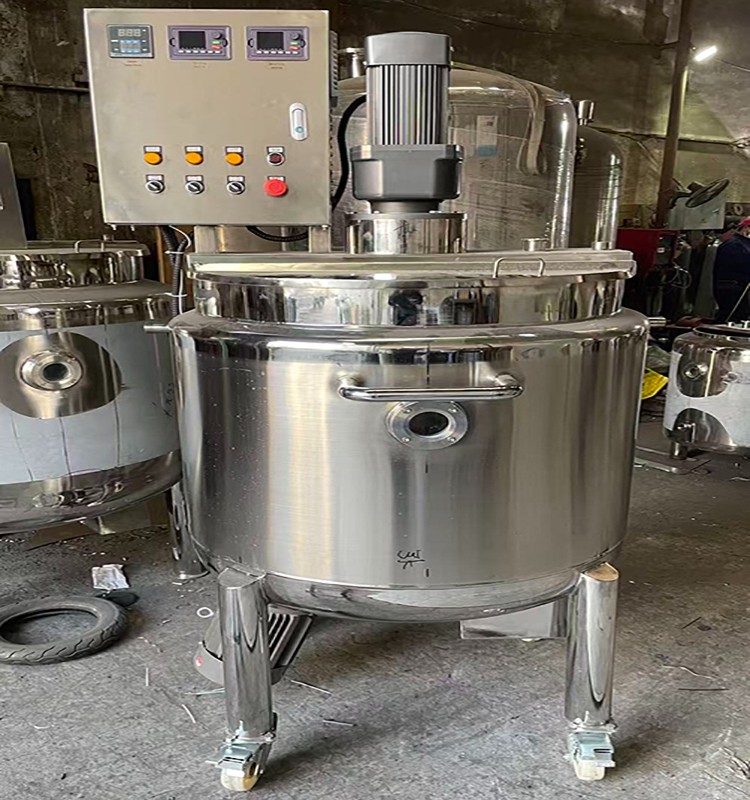
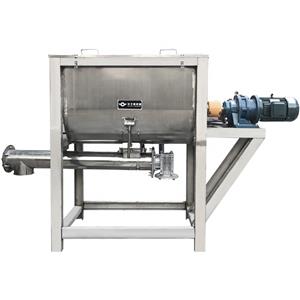
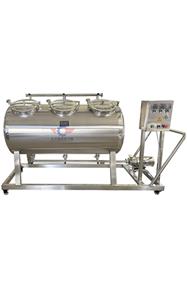
Today, let me introduce the heating method of the mixing tank
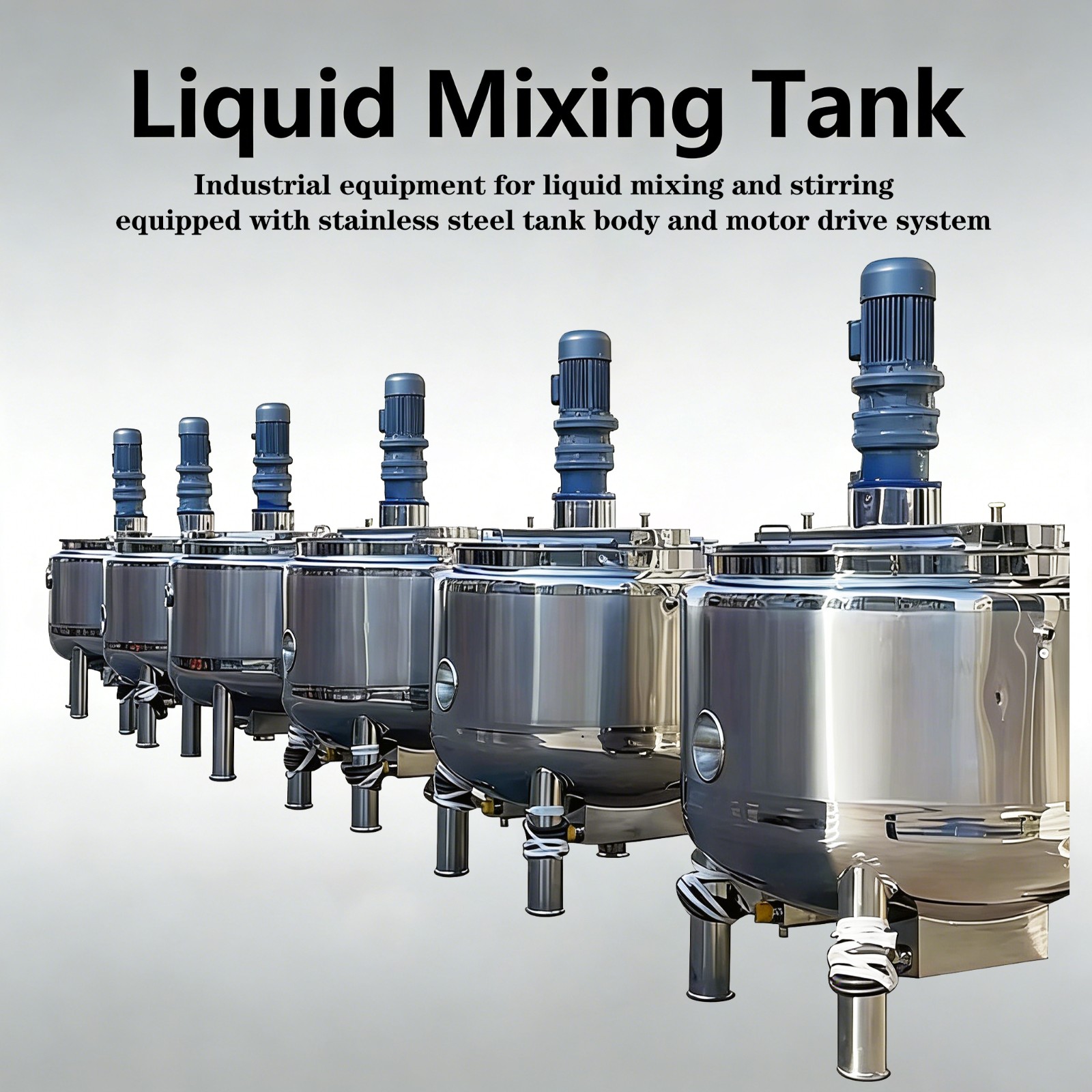
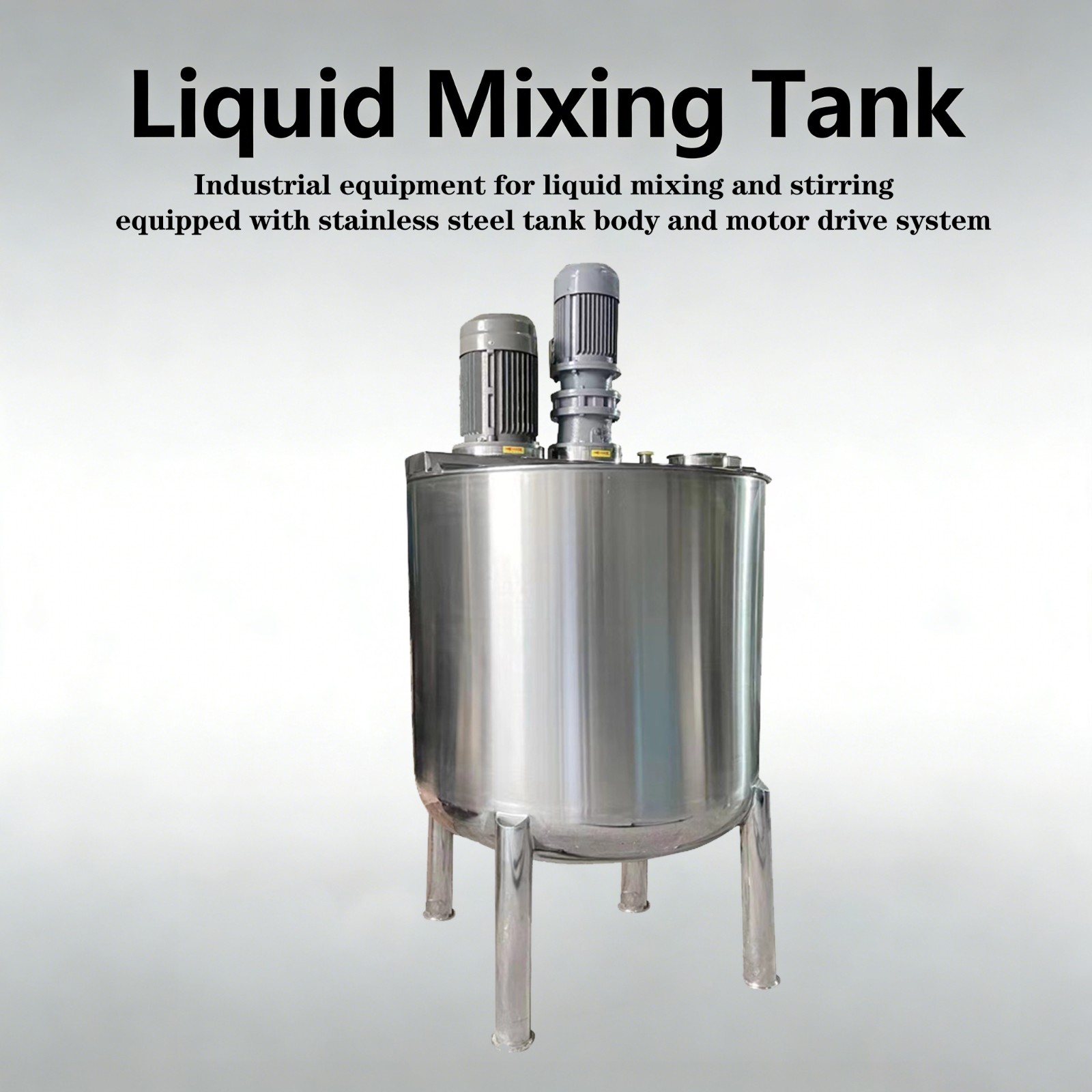
Common heating methods for heating mixing tanks
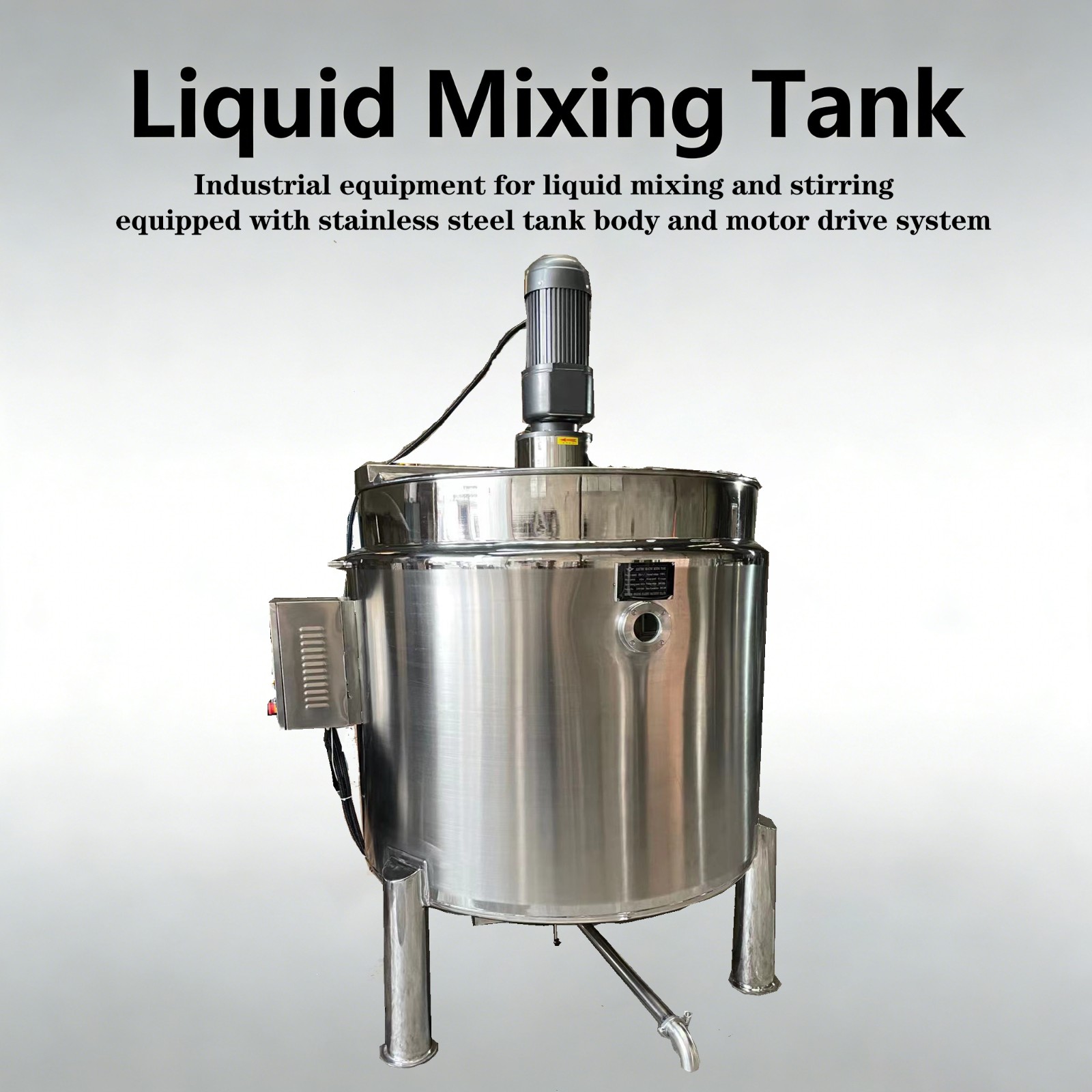
1. Electric heating: An electric heating tube is installed on the outside of the tank, which generates heat directly when powered on and transfers the heat to the materials inside the tank.
Advantages: Easy installation, convenient temperature control, clean and smoke free, can be used in both large and small cans, and heats up quickly.
Suitable for heating and stirring small and medium-sized equipment, various types of pastes, liquids, and powders.
2. Steam heating: Connect to the factory steam pipeline and use high-temperature steam to pass through the interlayer for heat transfer and heating.
Advantages: uniform heating, large heating capacity, low cost, suitable for large-scale continuous production.
Disadvantage: There must be a steam boiler, which cannot be used in small household factories.
Suitable for heating large tanks and industrial bulk materials.
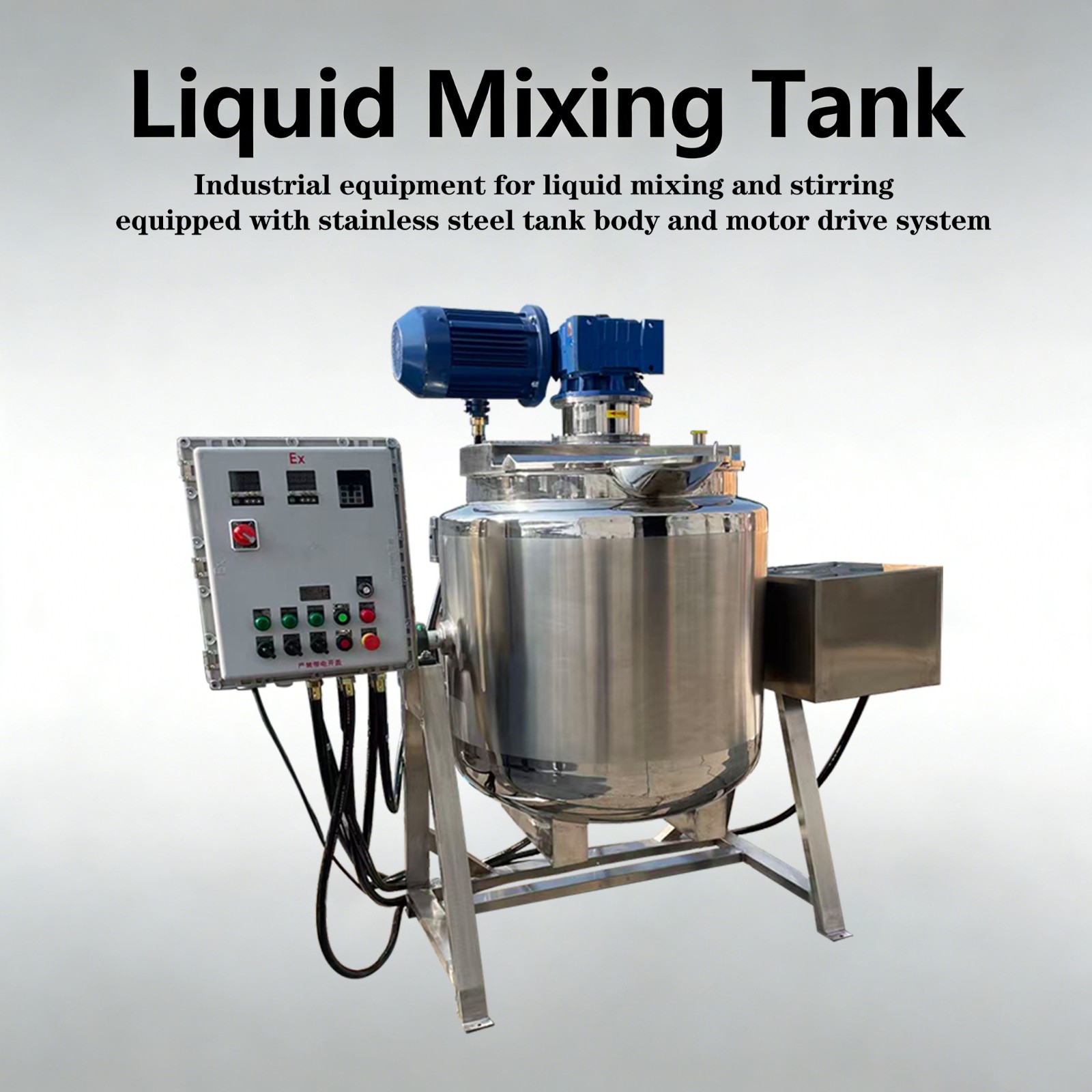
3. Heat transfer oil heating: Heat transfer oil is added to the interlayer of the tank, and the oil is heated by electricity or fuel, relying on the circulation of hot oil for heat transfer.
Advantages: High temperature, constant temperature stability, even heating, not afraid of local overheating paste.
Suitable for: high temperature boiling, viscous materials, and long-term constant temperature stirring.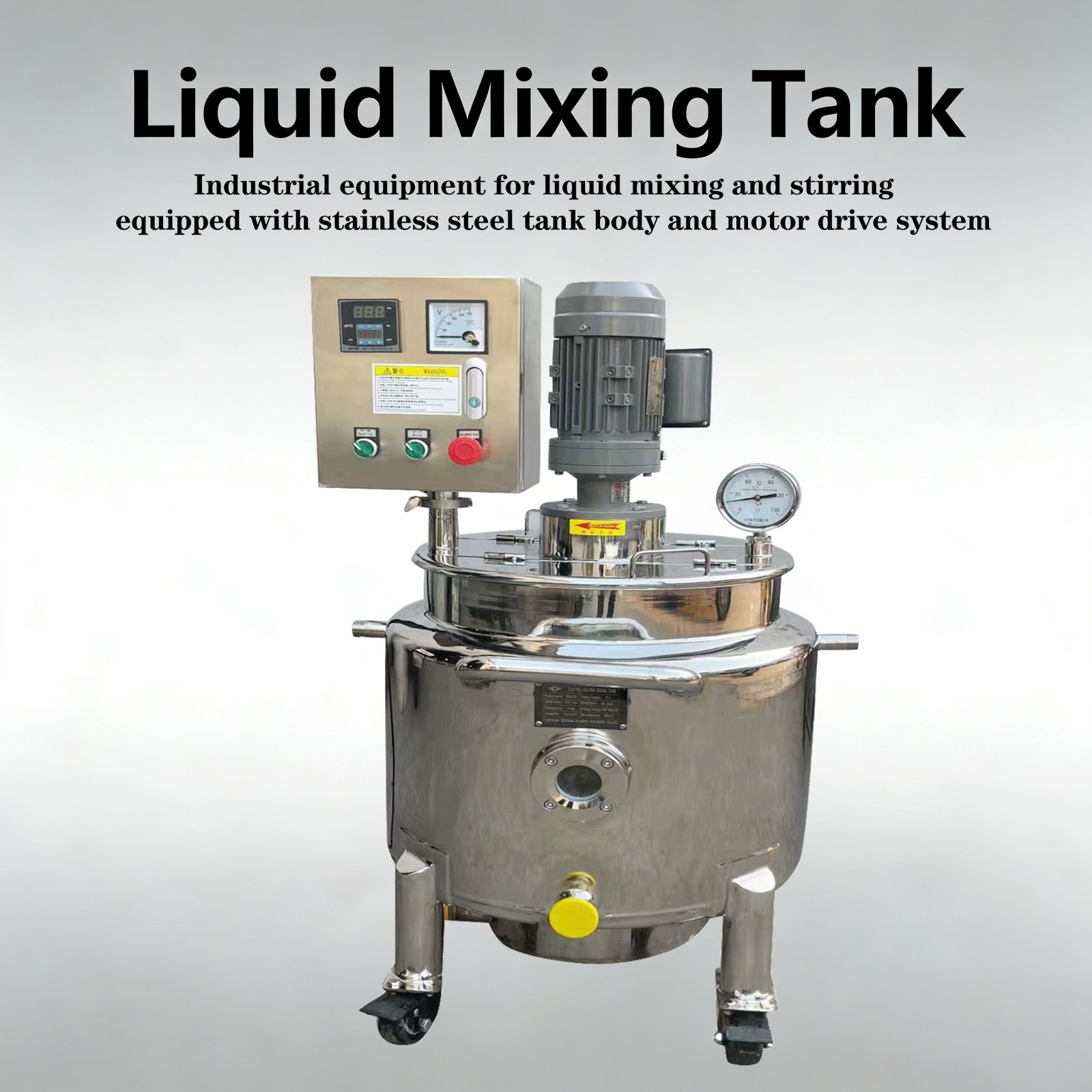
4. Hot water circulation heating uses a hot water unit to heat water, which circulates through the interlayer of the tank to increase temperature.
Advantages: Low temperature, gentle heating, no burning of materials, easy temperature control.
Suitable for: low-temperature insulation, food and daily chemical products, materials that are afraid of high temperature deterioration.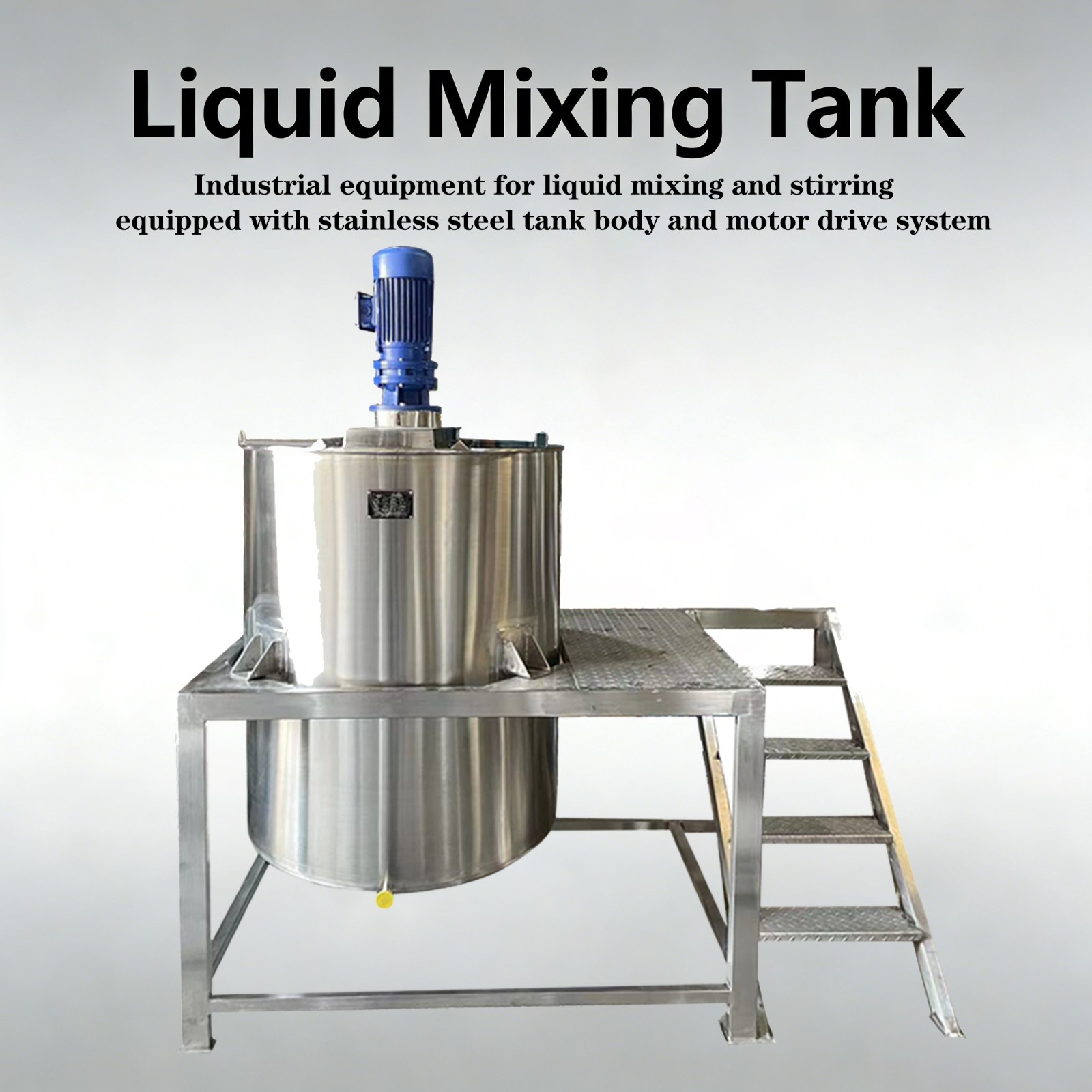
-Good mixing effect: By rotating the stirring blade, the materials can be fully contacted and mixed in the tank, ensuring uniform composition of the materials, especially suitable for mixing various forms of materials such as liquid, solid-liquid, liquid-liquid, etc.
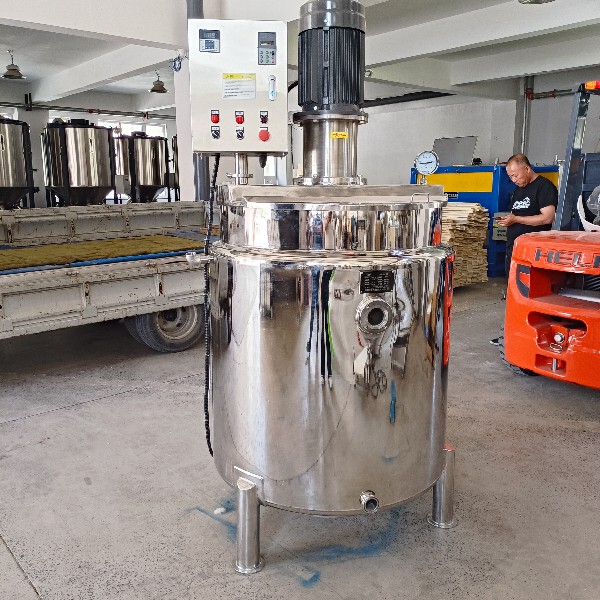
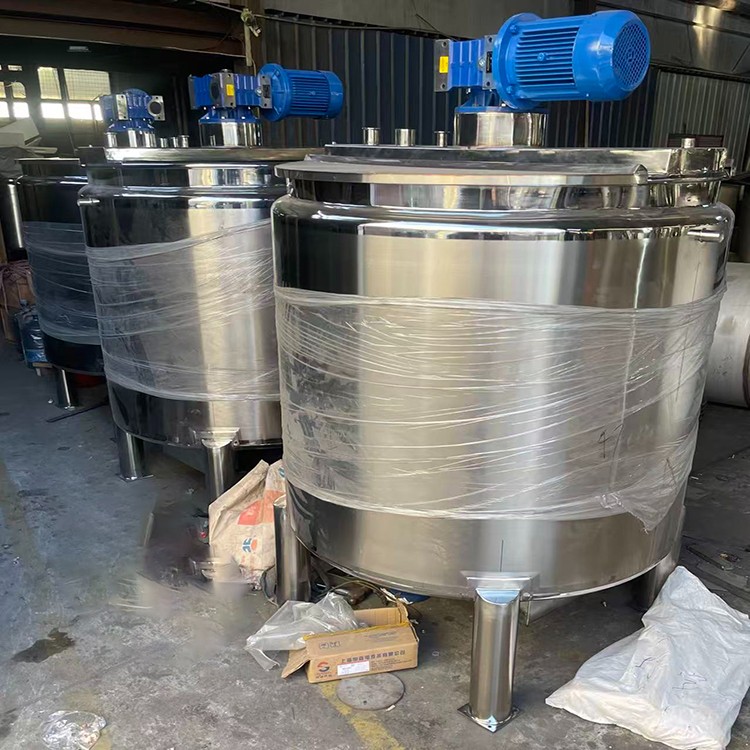
-Wide applicability: Different materials (such as stainless steel, carbon steel, etc.) and mixing structures can be selected according to the characteristics of different materials (such as viscosity, corrosiveness, etc.) to meet the production needs of multiple industries such as chemical, food, coatings, etc.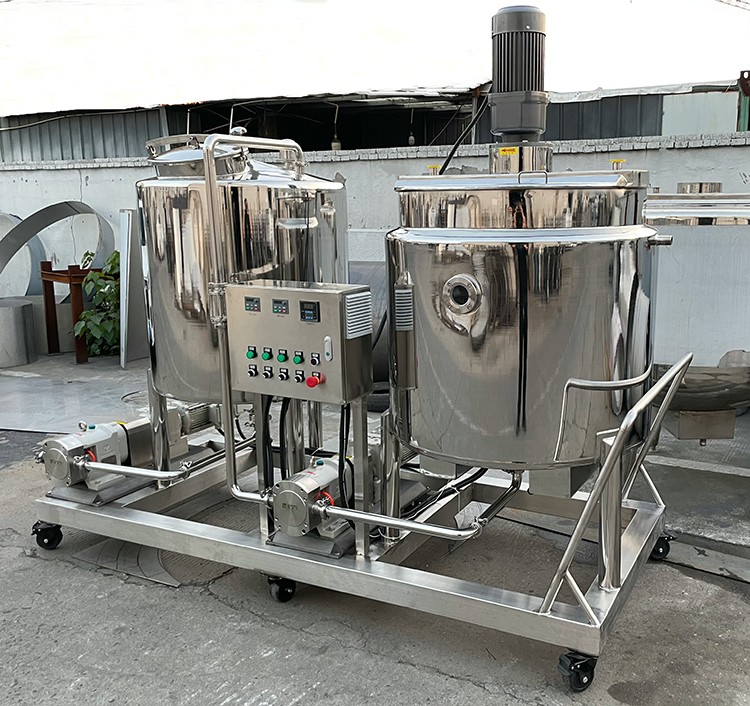
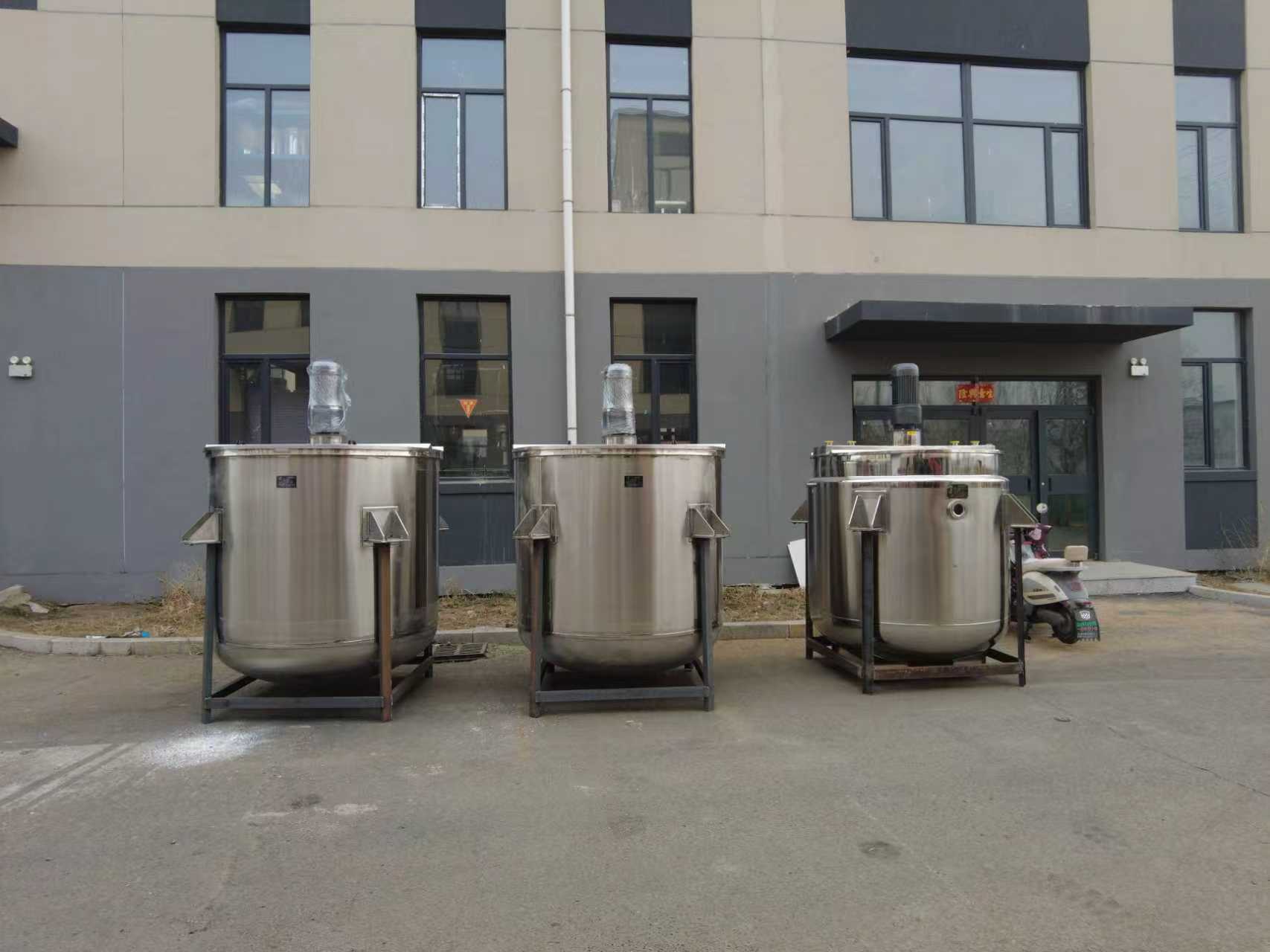 -High degree of automation: It can be combined with control systems to achieve automatic start stop and parameter monitoring of the mixing process, reducing manual operations and improving production efficiency and stability.