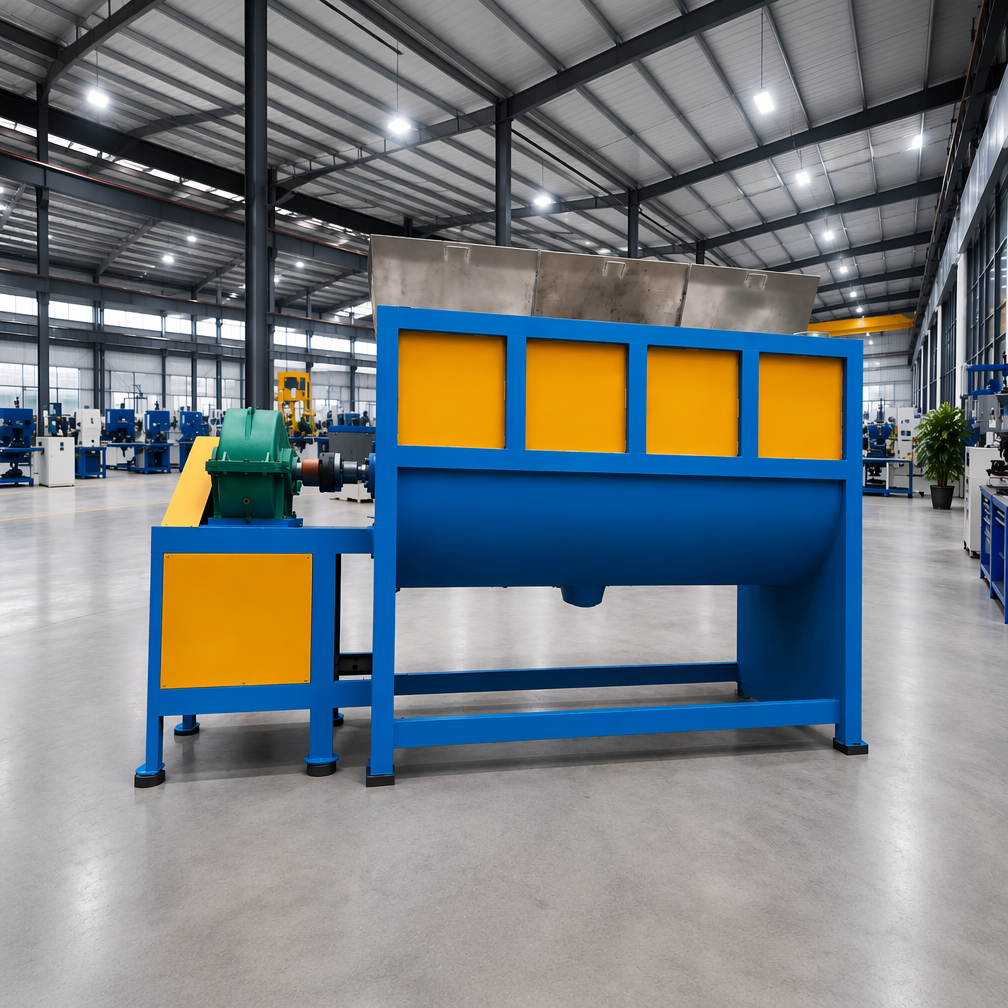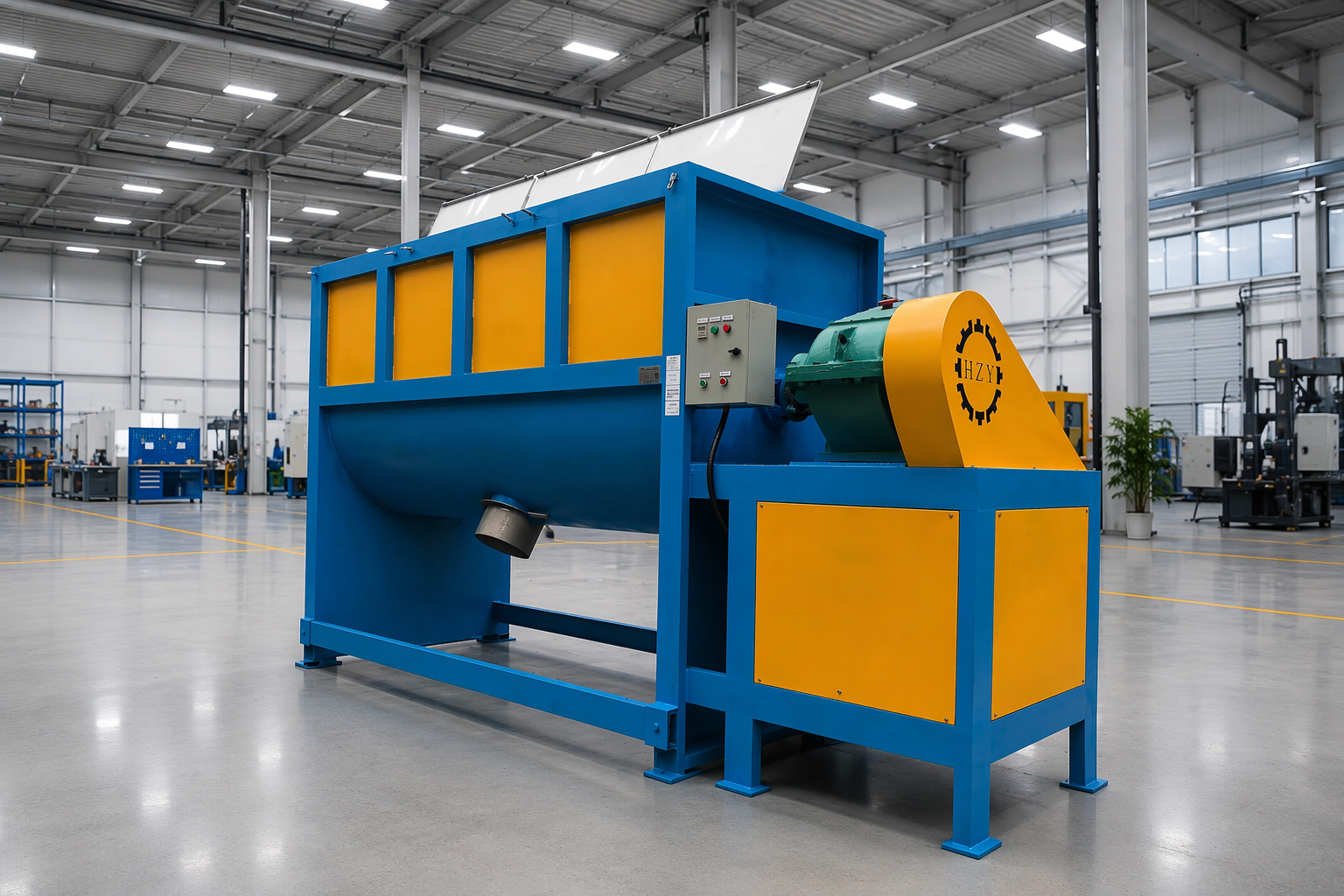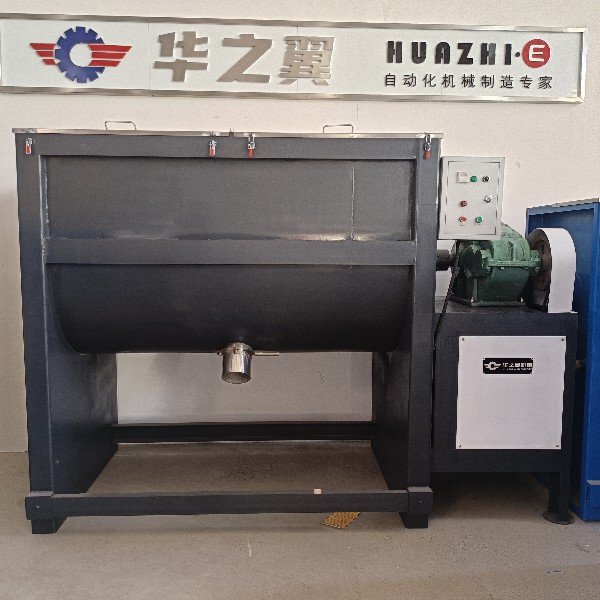

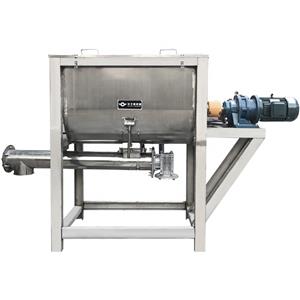
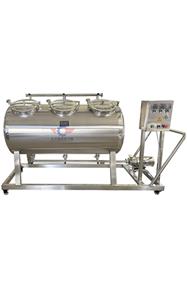
Common faults, causes, and solutions of horizontal mixers
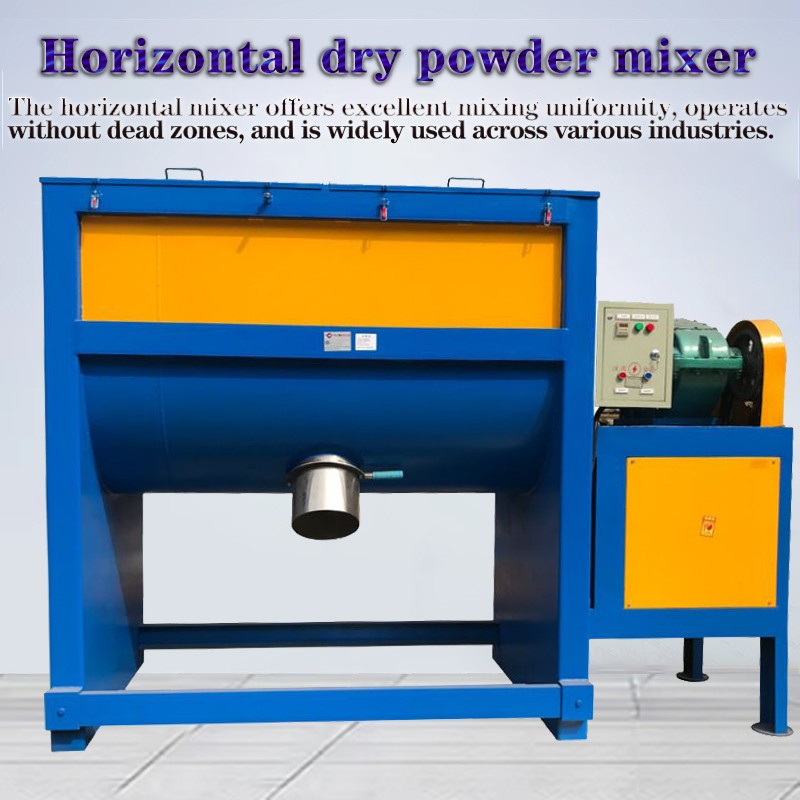 一、 Uneven mixing and discharge of materials, large color difference in material mixing
1. Reason for malfunction: The material was placed in a centralized manner at once, resulting in layered stacking of materials; Blade wear and deformation, insufficient mixing and pushing force; ③ The difference in material specific gravity is too large.
2. Solution: Feed evenly in batches; Repair or replace deformed blades; Install auxiliary small paddles at both ends of the cylinder.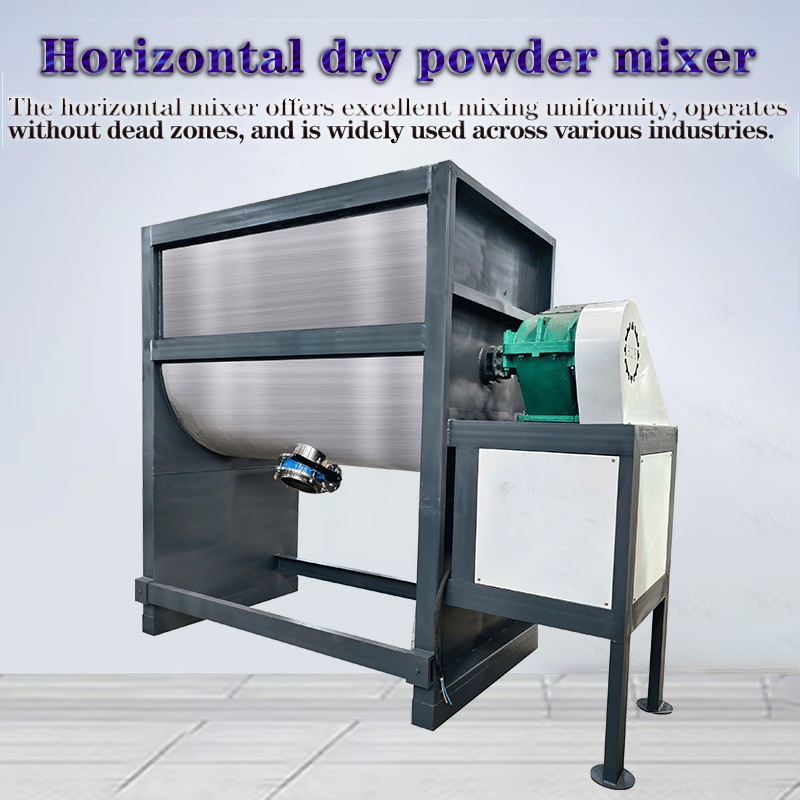
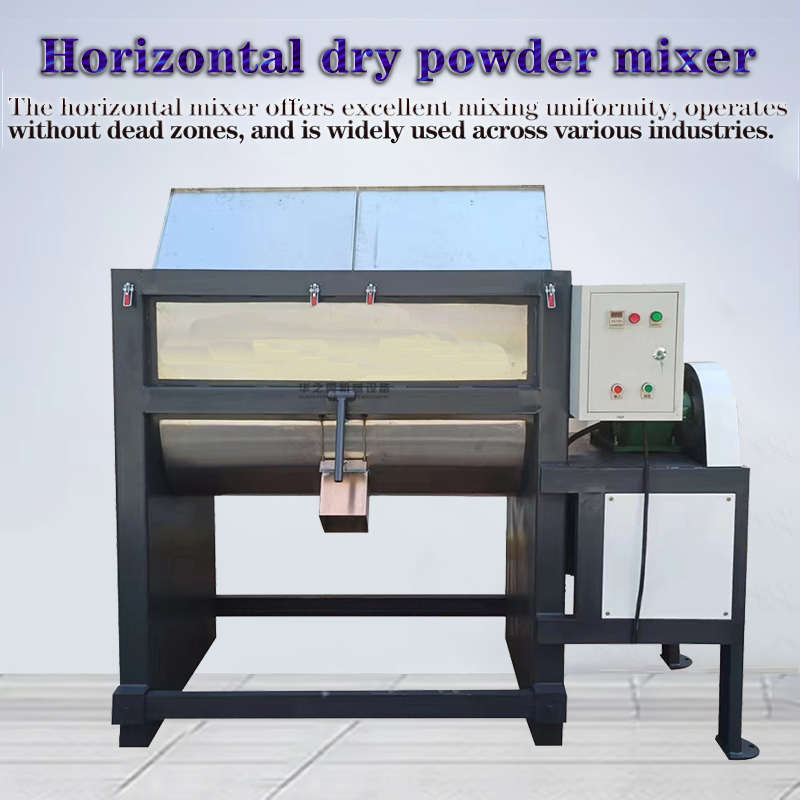
二、 Leakage of powder and material at the sealing points of both ends of the shaft head/joint of the cylinder body
1. Cause of malfunction: Aging and damage of shaft end packing/skeleton seal; Loose sealing gland; Aging of cylinder flange gasket and loosening of screws; The powder is too fine.
2. Solution: Replace with a brand new seal and tighten the gland evenly; Replace the silicone gasket on the flange and tighten the bolts diagonally; Fine powder materials can be equipped with dust seals; High temperature resistant fluororubber seals are selected for high-temperature working conditions.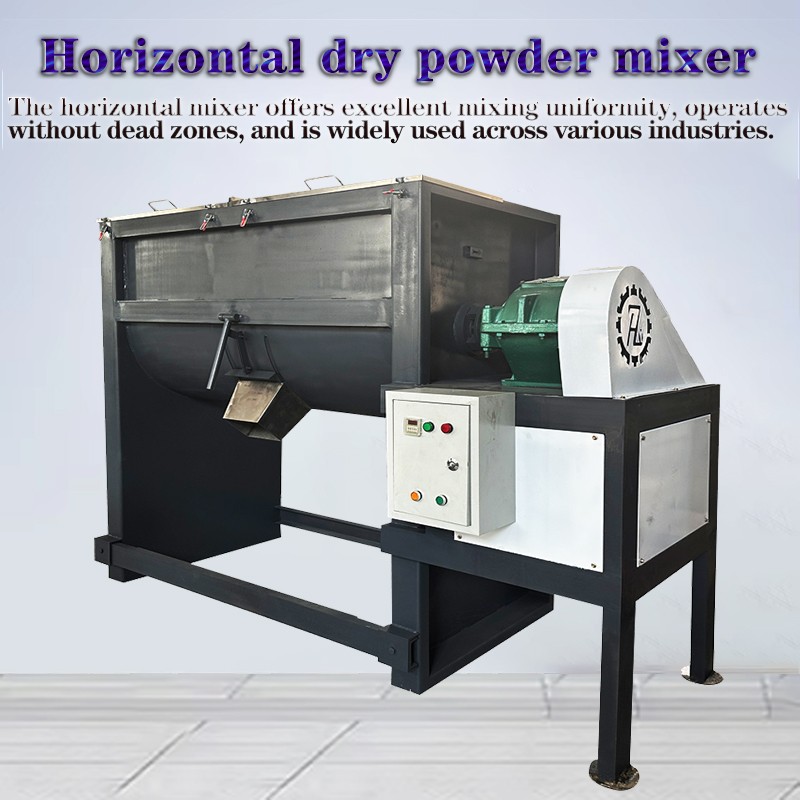
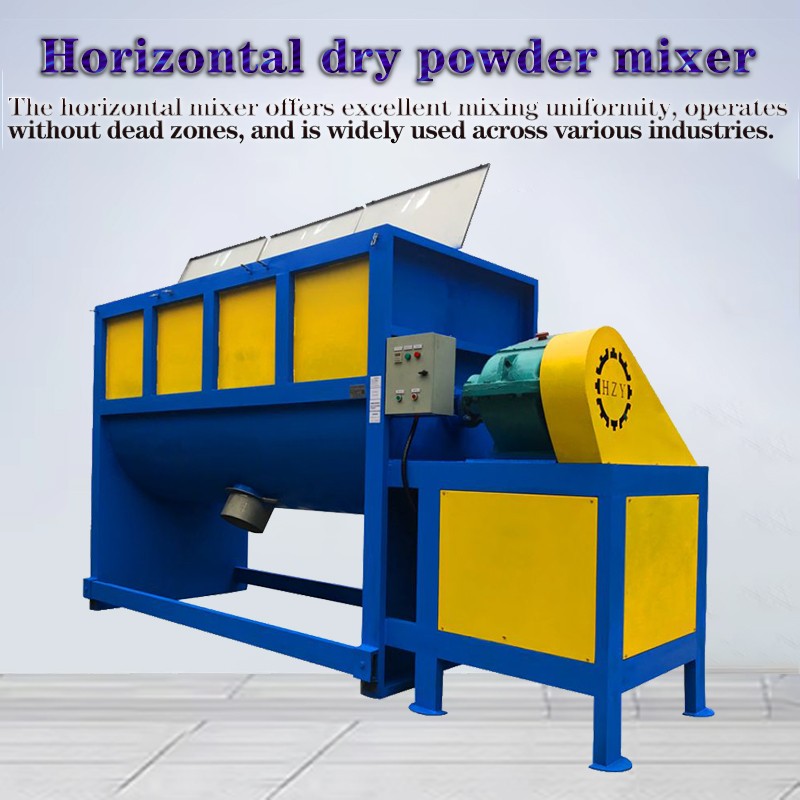
三、 Unclean discharge and excessive residual materials inside the cylinder
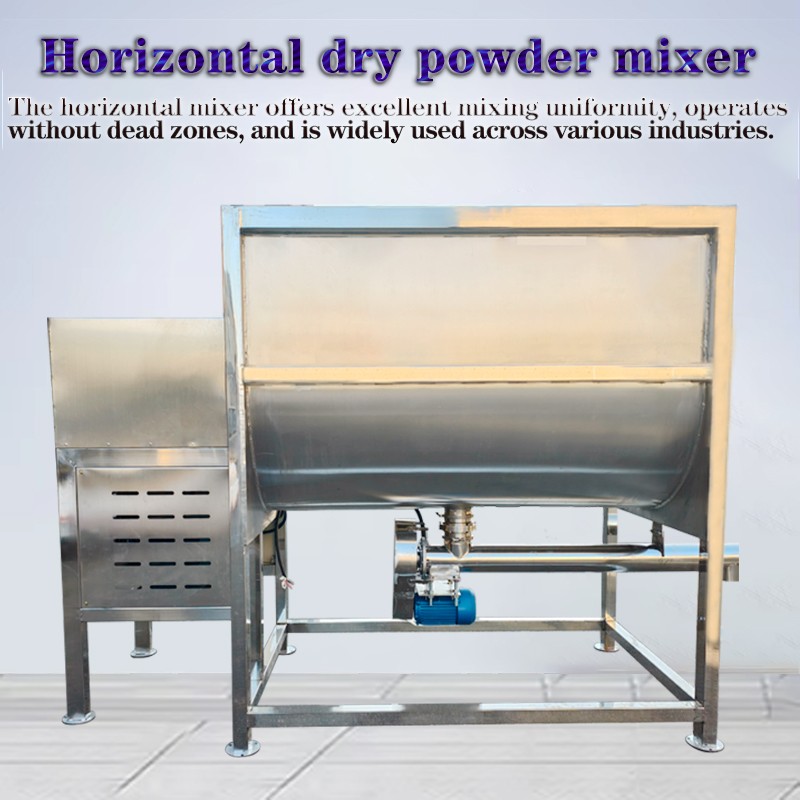
1. Reason for malfunction: The position of the discharge port is too high, and there is a dead angle for material accumulation in the cylinder; The clearance between the blade and the bottom of the cylinder is too large; The material has strong viscosity and adheres to the barrel wall; The discharge valve is too small and the discharge flow rate is slow.
2. Solution: Optimize the structure of the discharge port and lower the discharge position; Adjust the clearance between the blade and the bottom of the cylinder; Add a spray cleaning device to flush the barrel after production; Increase the diameter of the discharge gate valve.

四、 Safety related faults: emergency stop failure, switch malfunction
1. Cause of malfunction: Loose control circuit, aging contactor, damaged emergency stop button.
2. Solution: Regularly check the circuit wiring, replace damaged buttons and contactors, and test the
emergency stop function every month.