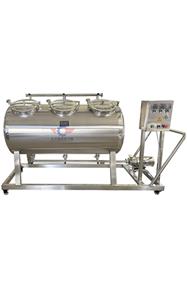
Today we will talk about the heating methods of mixing tanks
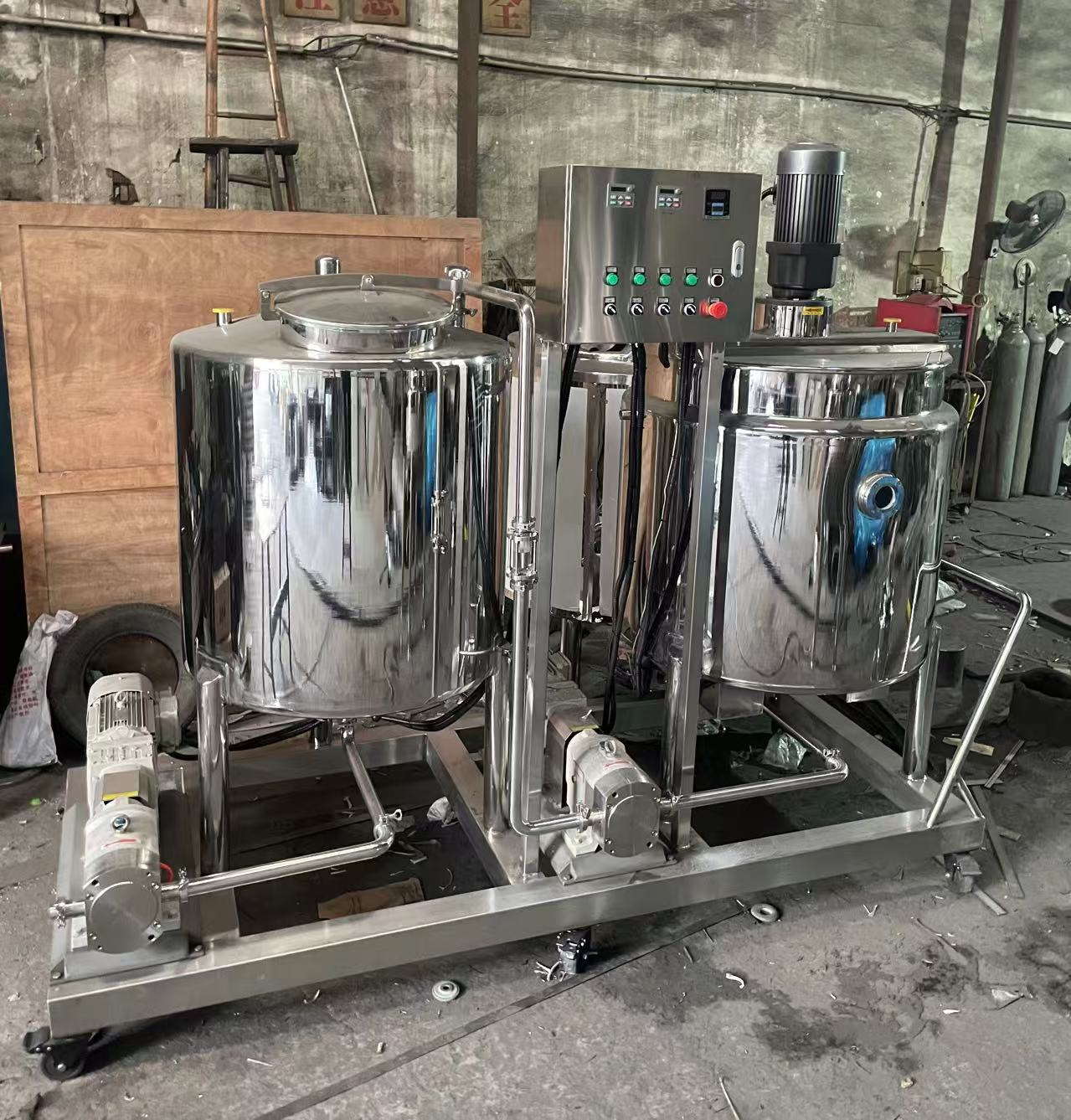
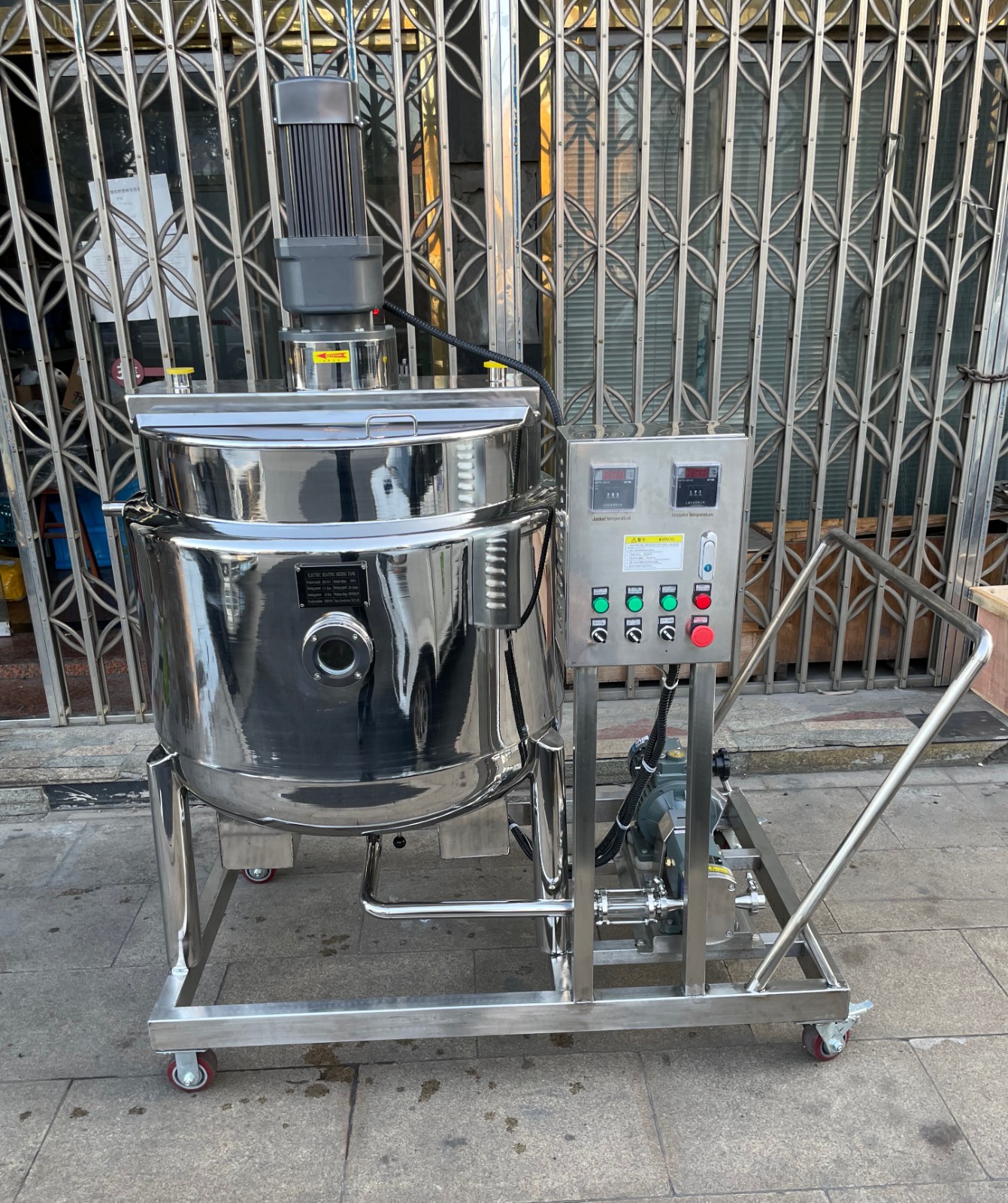
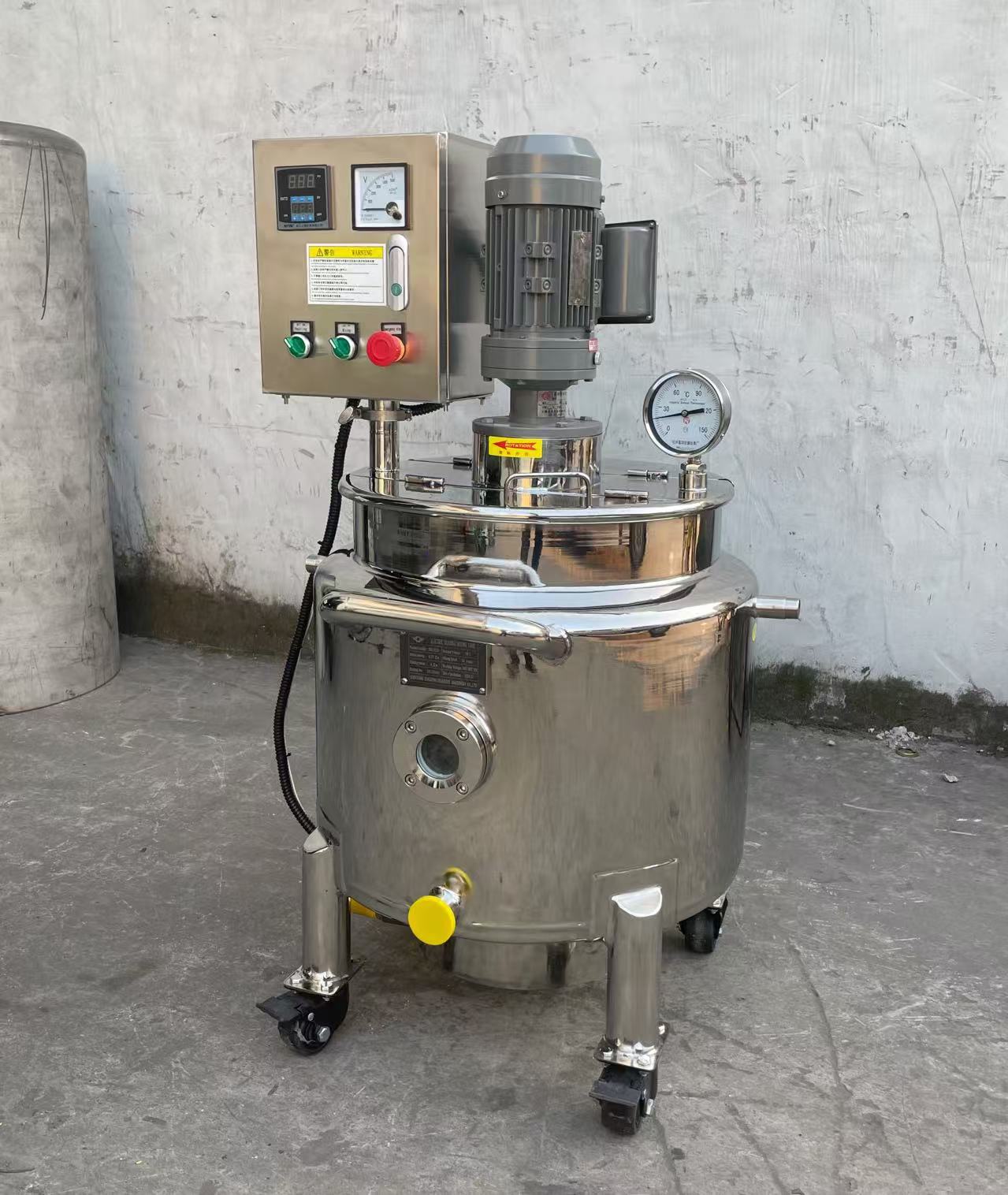
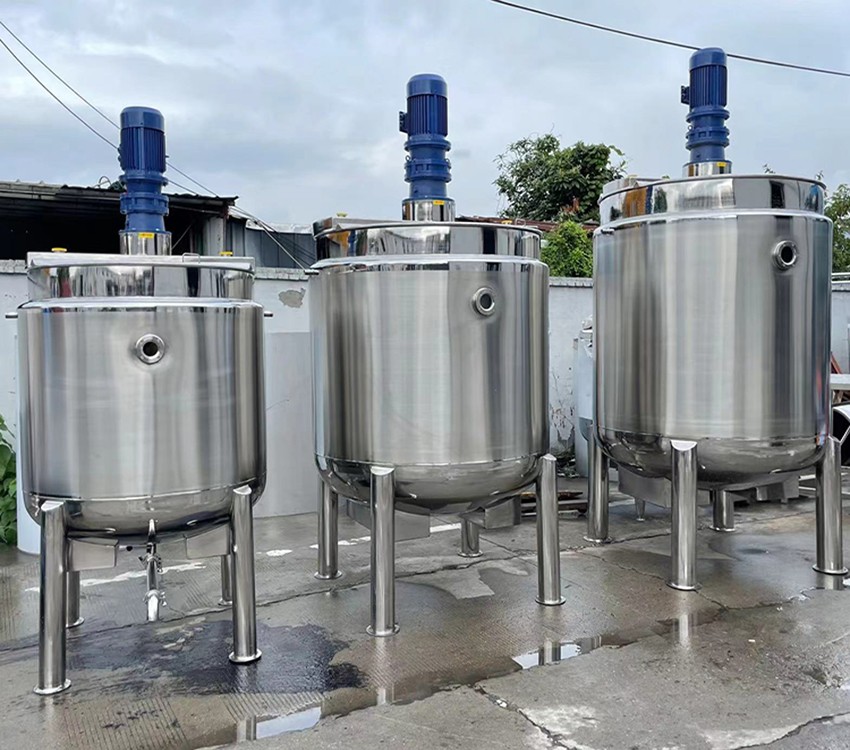
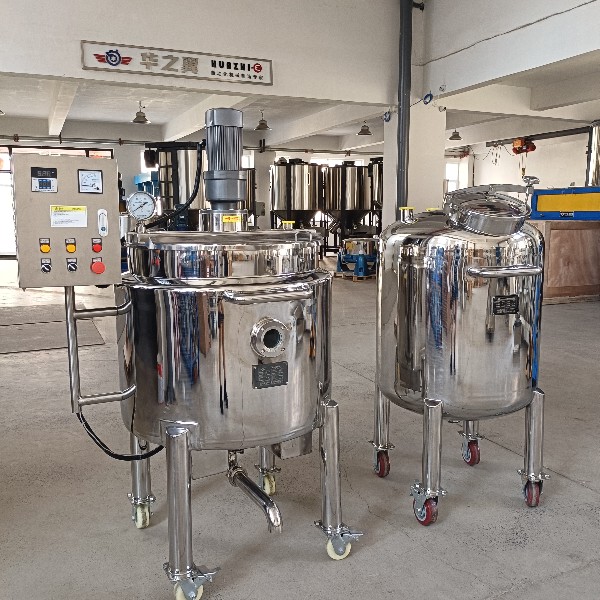 The mixing tank is suitable for mixing, blending, blending, and homogenizing materials. The structural machine configuration can be standardized and humanized according to the requirements of the production process. The mixing tank can achieve feeding, discharging, mixing control, and other manual and automatic controls during the mixing process.
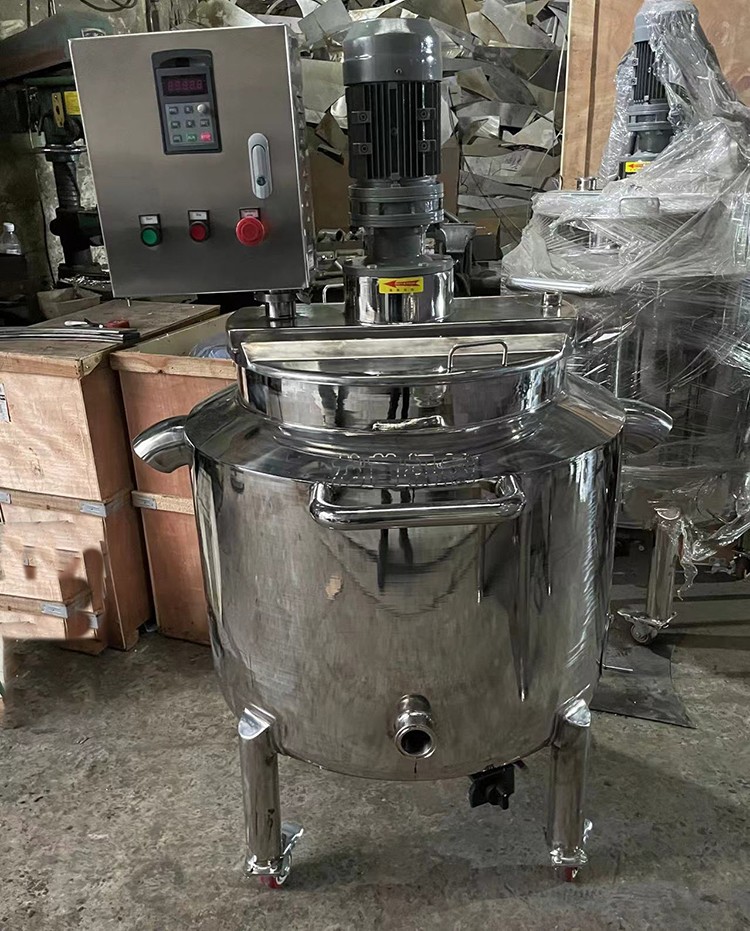 Jacket heating: It is a commonly used heating method in mixing tanks. The jacket heating method is to add a layer of interlayer on the outer layer of the mixing tank, and heat transfer can be achieved by passing a thermal conductive medium into the interlayer. The jacket heating has the characteristics of uniform heating and stable heating.
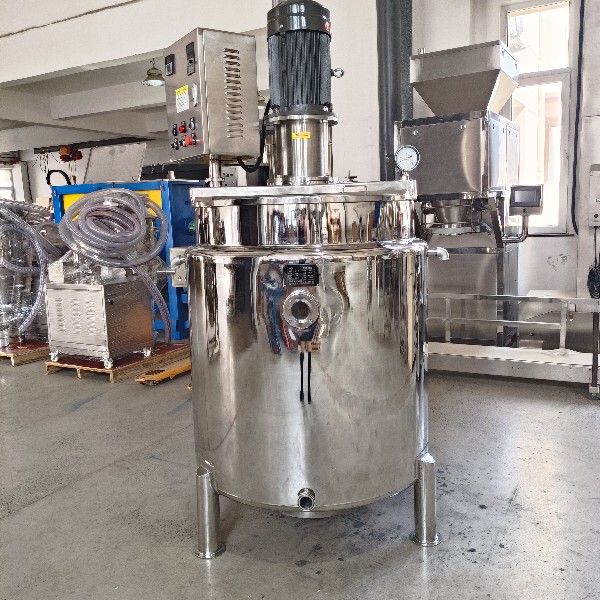
Steam heating: Similar to jacket heating, it also adds a layer of interlayer on the outer layer of the mixing tank, and heats the interlayer pot by introducing steam. The selection of steam heating method requires the production line to have a high-pressure boiler for steam production. Steam heating has the characteristics of fast heating speed and stable temperature.
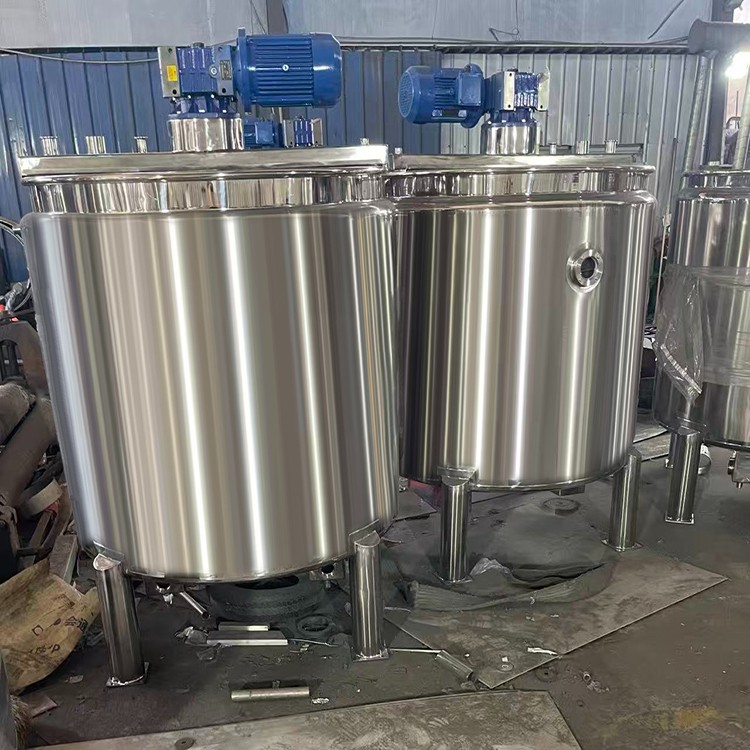
Coil heating: A heating method that is less commonly used in mixing tanks because the diameter of the mixing tank using coil heating cannot be too large, which limits its use for mixing. However, the coil has more complete contact with the material. It is recommended to consider coil heating for small stainless steel tanks and jacket heating for larger volumes.
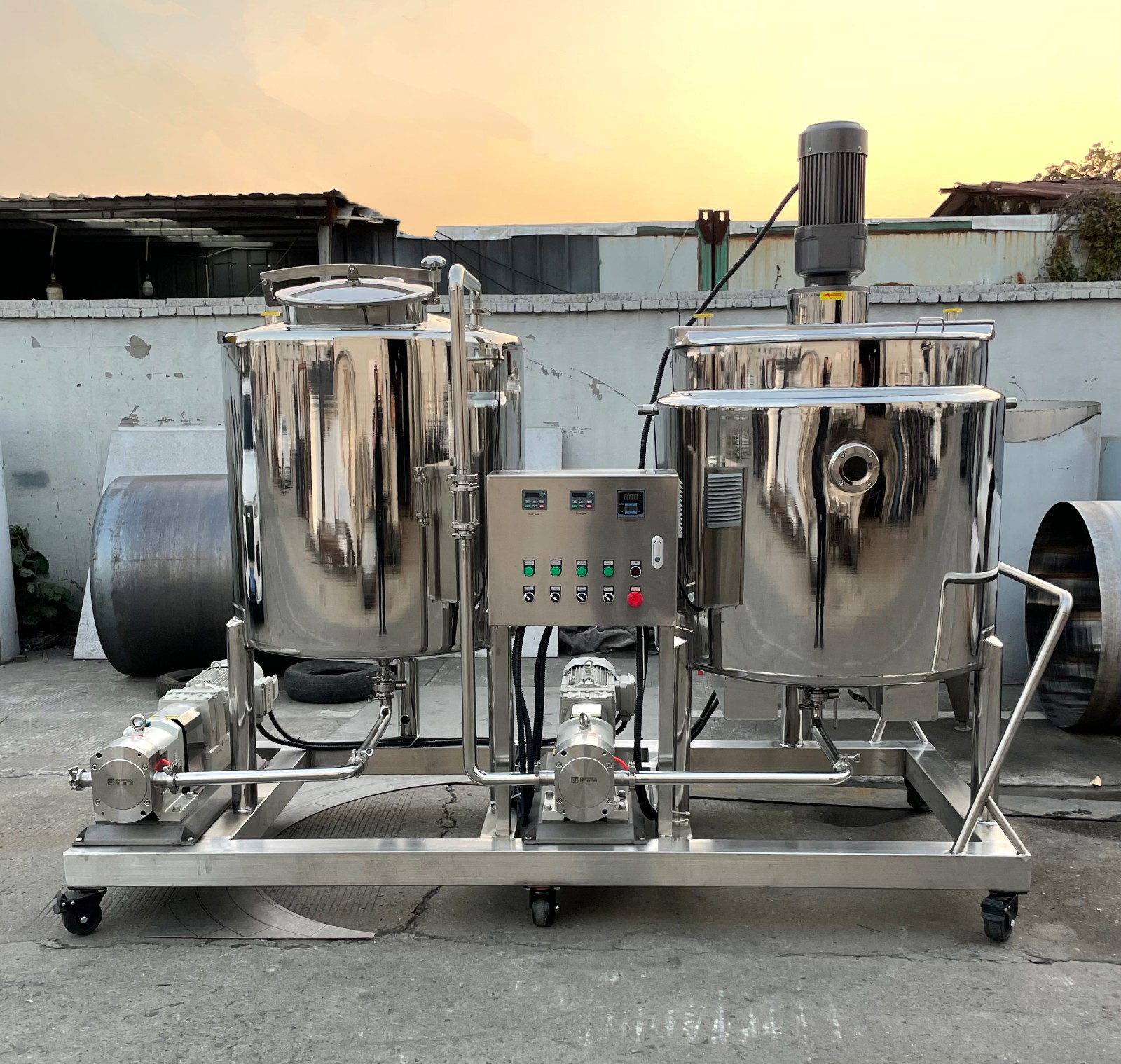
The heating methods of mixing tanks are mainly divided into the following three types, and the specific selection needs to be determined according to the process requirements and equipment conditions:
Jacket heating: Uniform heating is achieved through circulating hot water, steam, or thermal oil in the interlayer, suitable for most scenarios, and has the characteristics of stable heating and controllable temperature.
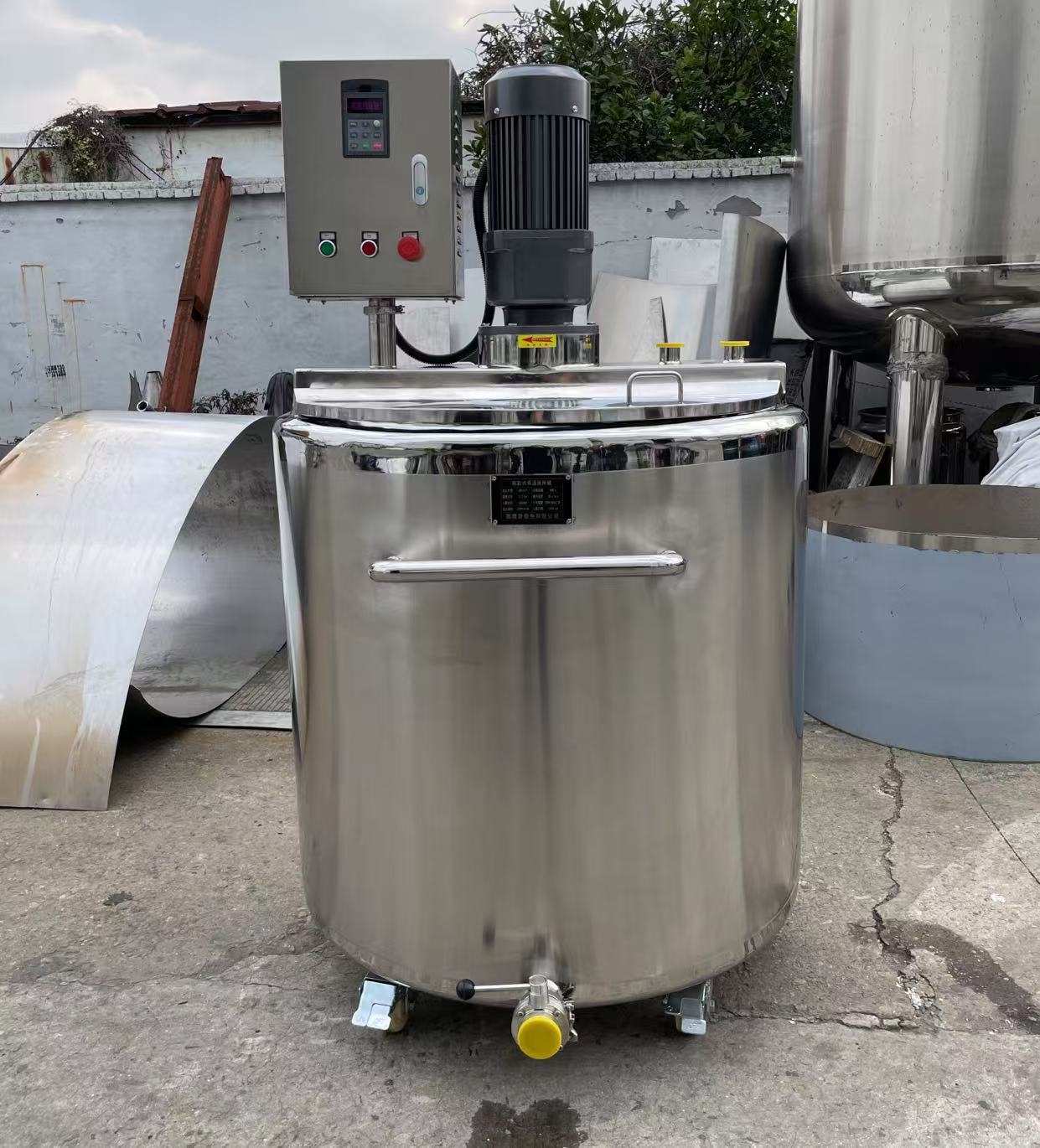
Electric heating is divided into jacket electric heating and coil electric heating. Jacket electric heating: Install an electric heating tube directly inside the jacket, which can accurately adjust the temperature and is suitable for small capacity or situations that require rapid heating. Coil heating: Install heating coils internally or externally for better material contact, but only for small mixing tanks.
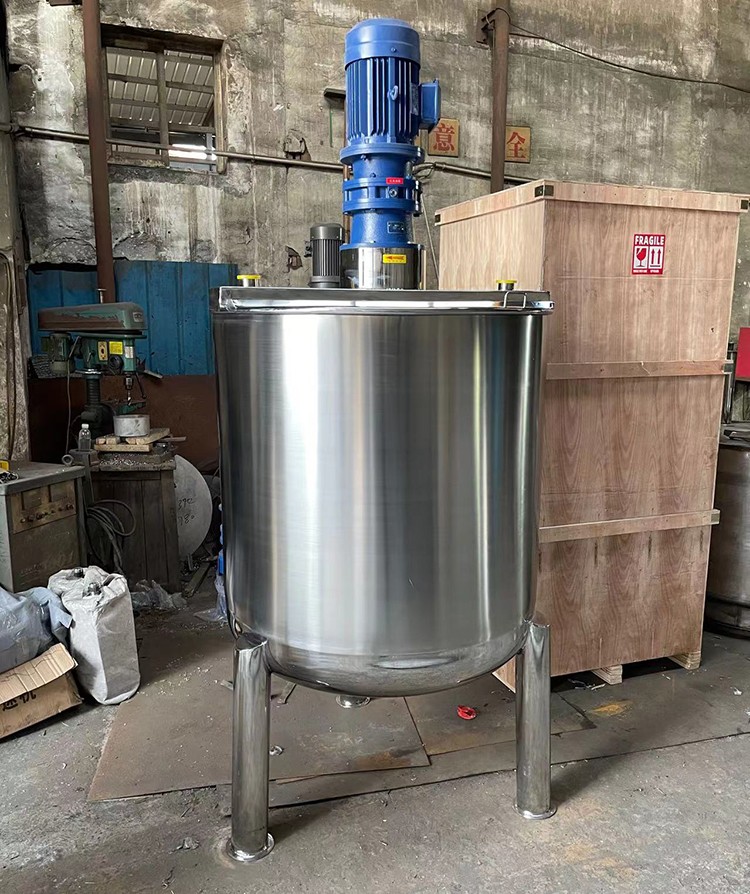
Steam heating: Steam is introduced through a jacket or coil, with fast heating speed and stable temperature, suitable for scenarios with high heating efficiency requirements, but requires a high-pressure boiler and safety facilities.
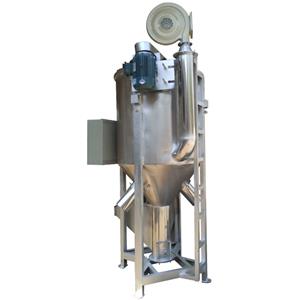
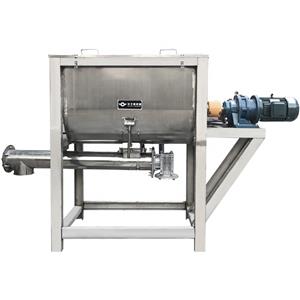
Structure of mixing tank: The mixing tank consists of a mixing tank body, a mixing tank cover, a mixer, a support, a transmission device, a shaft seal device, etc. Heating or cooling devices can also be configured according to process requirements.
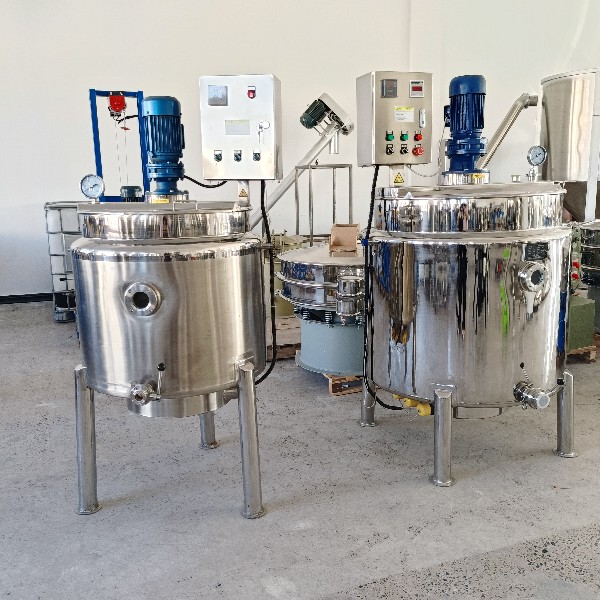
Introduction to Liquid Mixing Tank:
1.Equipment materials: SUS304 stainless steel, SUS321 stainless steel, SUS316L stainless steel, etc.
2.Mixing forms: paddle type, anchor paddle type, frame type, spiral belt type, turbine type, dispersed disc type, combination type, etc.
3.Heating method: electric heating, steam heating, water bath heating.
4.Heat transfer medium: heat transfer oil, steam, hot water, electric heating.
5.Heat transfer structure: jacket type, outer coil tube type, inner coil tube type.
6.Equipment structure: upper and lower flat bottoms, upper and lower slants, upper and lower cones, upper and lower heads, etc.
7.The mixing tank can be customized to process 100L-5000L according to customer process requirements.