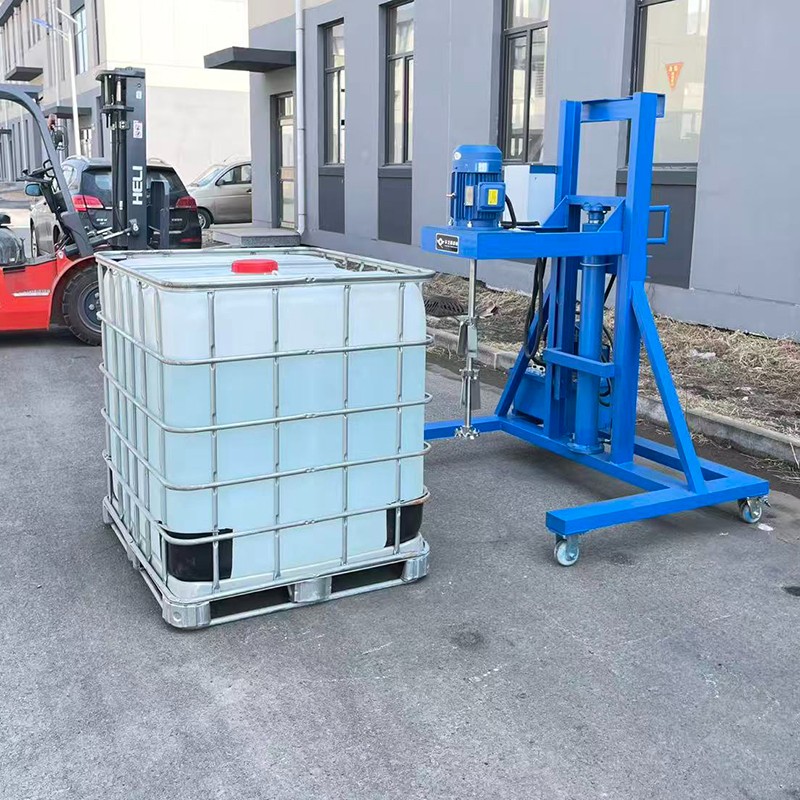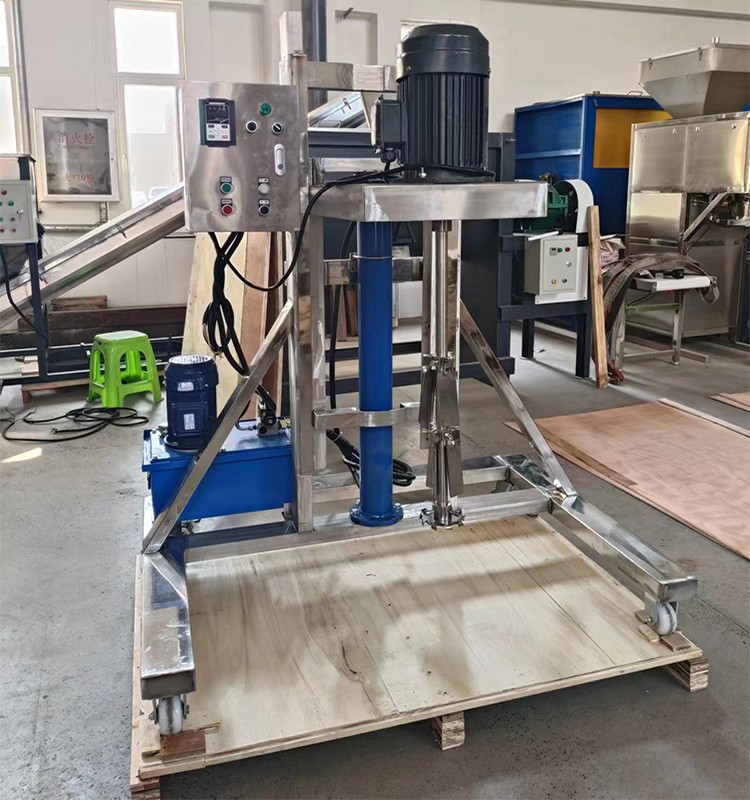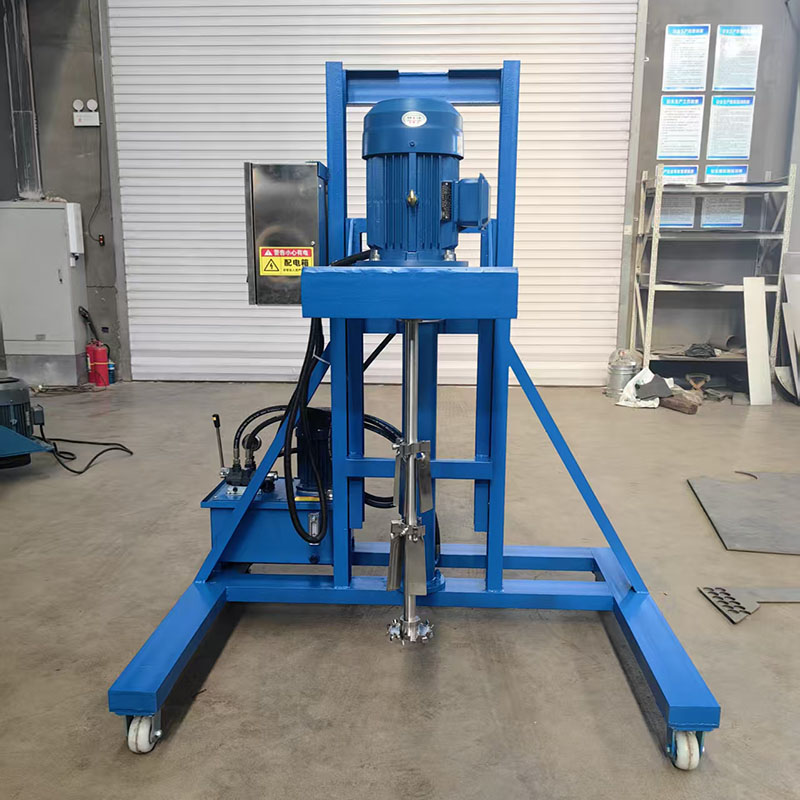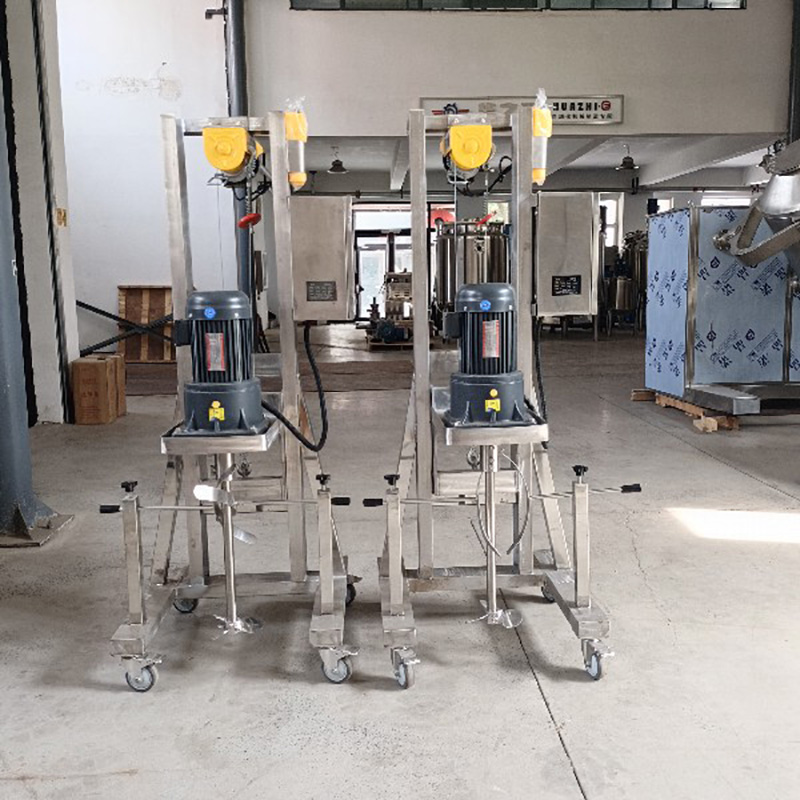
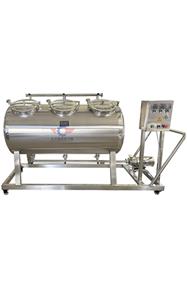
Today, let's talk about the production process of IBC mixer
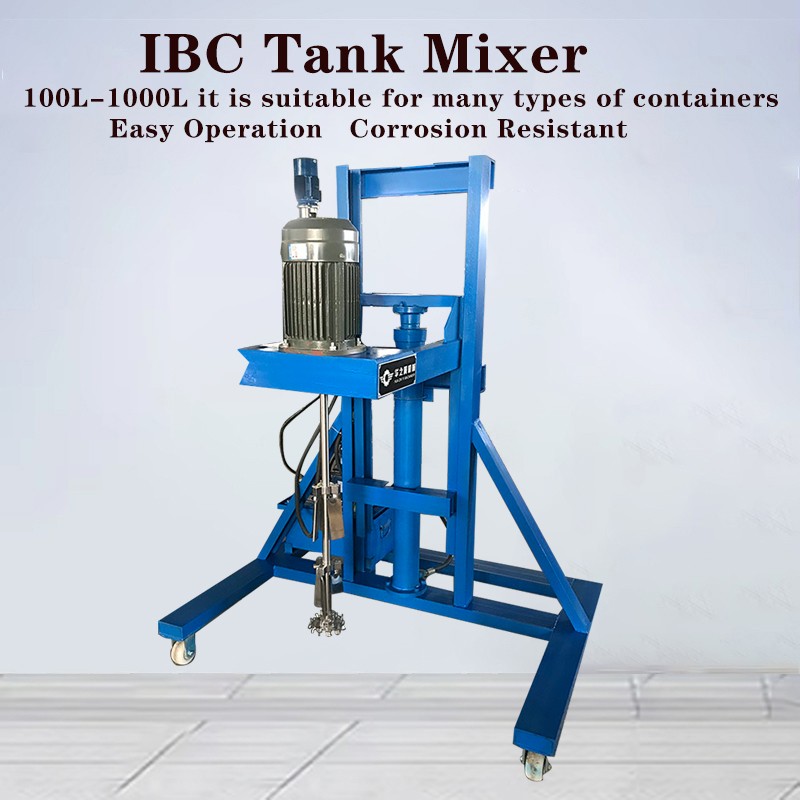
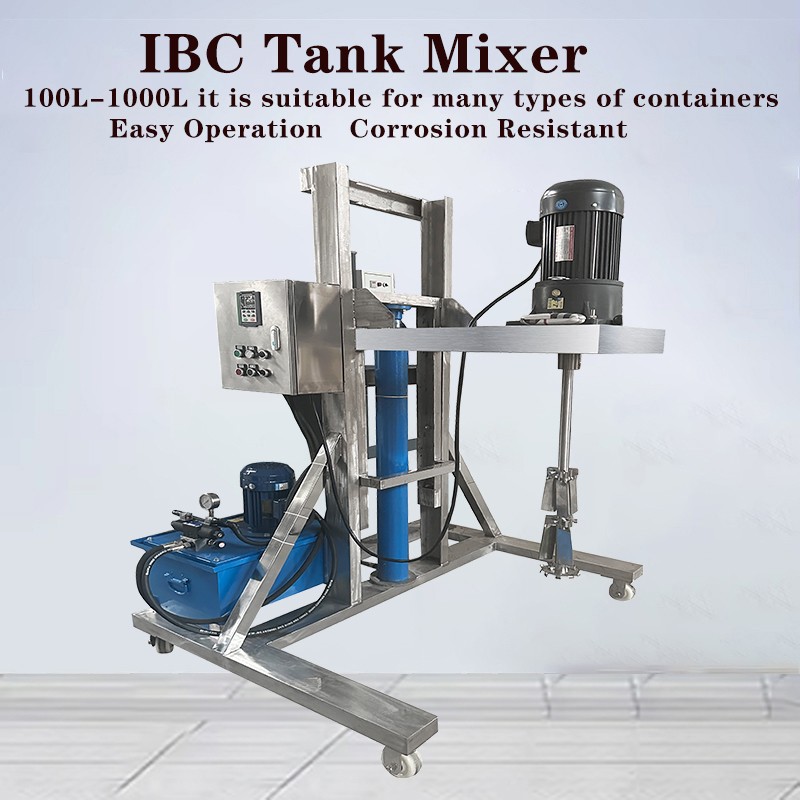
The rack material is made of channel steel, square tube, and carbon steel plate. If the customer's material has special characteristics, the material should be changed to 304/3016 stainless steel. The mixing shaft and mixing blade are made of 304 or 316L stainless steel, and the mixing blade is used with a folding blade and a dispersing plate.
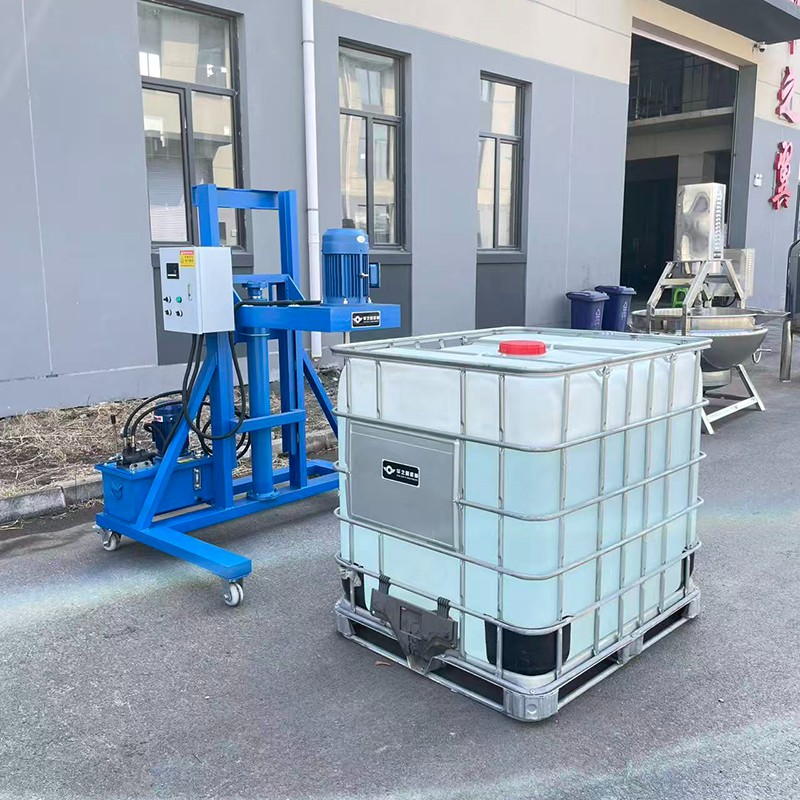
Splitting of Material List: Rack Components, Mixing Shaft, Paddle, Locking Accessories, Transmission Components, and Electrical Control Accessories are stocked in separate warehouses.
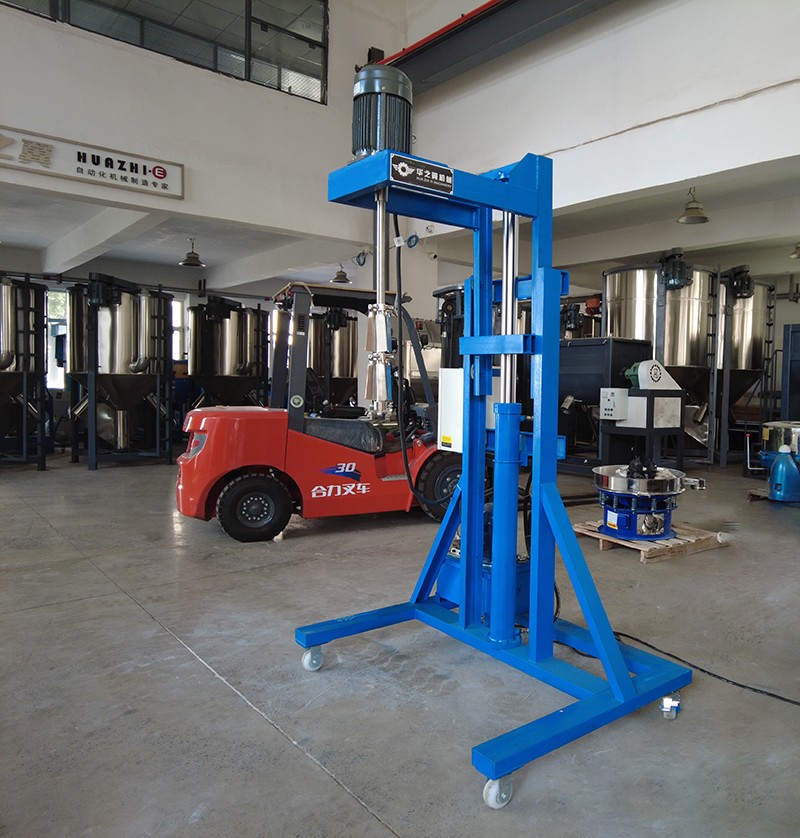
Sheet metal/profile cutting and forming (frame, cross frame base):
1. Carbon steel channel steel and steel plate are cut using plasma/laser cutting to create brackets, forklift jacks, barrel locking buckles, and motor mounting base positioning holes.
2. The bending machine produces accessories such as base plates, lifting column supports, etc.
3. U-shaped mobile trolley base, vertical lifting rail column, top motor installation crossbeam fixture positioning and welding; Using carbon dioxide shielded welding, the weld seam is fully welded without virtual welding or slag inclusion.
4. CNC drilling and tapping of machining holes, column guide rail installation holes, oil cylinder fixing flanges, motor bases, and caster installation holes to ensure assembly benchmark accuracy.
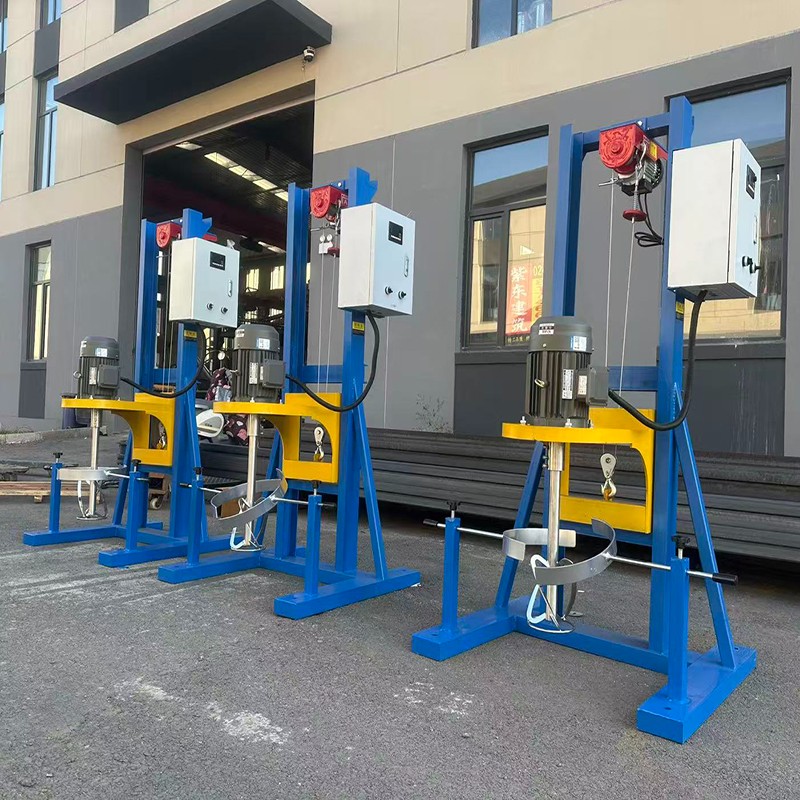
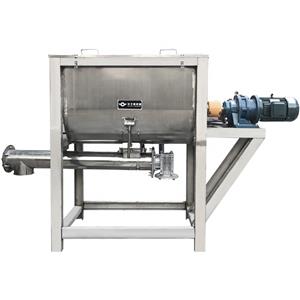
IBC horizontal type mixer:
1. Brand motor is adopted, which is selected according to the viscosity and rotation speed of mixing materials, and has a long service life.
2. Both ends are fixed with clamps, and the strong horizontal plate is supported on the ton bucket, which can make the mixer stable on the bucket.
3. The blade is made of stainless steel retractable blade. After rotation, the blade opens to achieve the mixing effect. When it stops, the blade closes.
4. The cross plate is equipped with a forklift hole to facilitate the lifting and movement of the forklift and reduce manpower.
5. Equipped with a frequency converter to control the speed, the speed and working state are more intuitive.
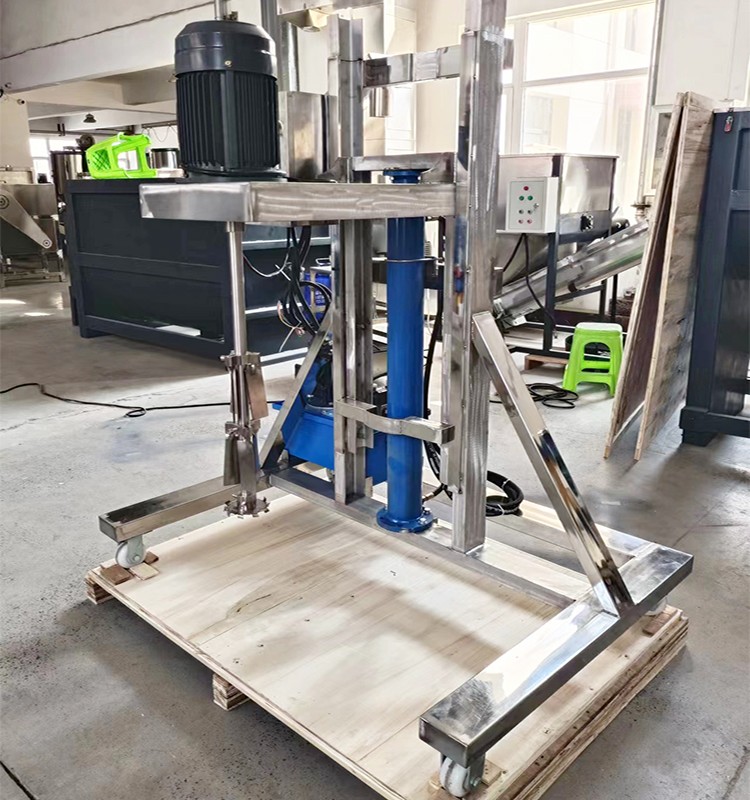
Whole machine assembly process (assembly line assembly)
1. Fix the rack trolley and install 4 bottom casters (2 universal brake belts and 2 directional wheels);
2. Assemble the vertical lifting guide rail, hoist the hydraulic cylinder and fix it on the column;
3. The hydraulic pump station, oil pipe, and control valve are fixed on the side of the frame, and the oil pipe buckles are neatly arranged;
4. Install the motor reducer assembly on the lifting slide table, and connect the coupling to the mixing spindle;
5. Assemble the blade at the lower end of the mixing spindle (manually open and close the folding blade for testing to ensure it can pass through the IBC barrel mouth);
6. Wiring of electrical control cabinet, docking of motor and hydraulic valve control lines, and insulation testing of the lines;
7. Install IBC bucket limit blocks, collision protection plates, operation handrails, and safety warning signs.