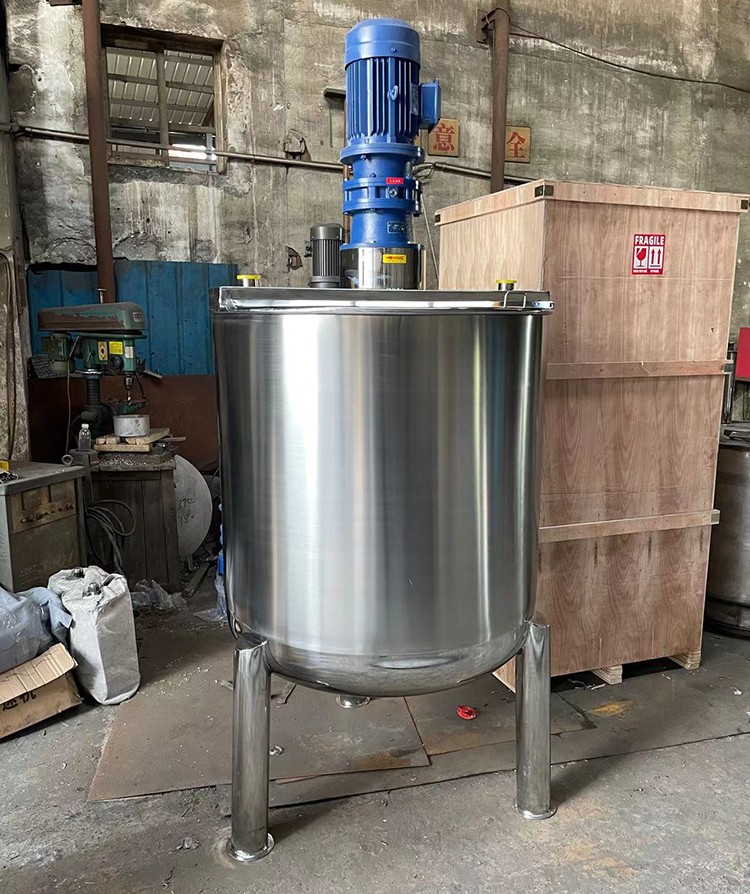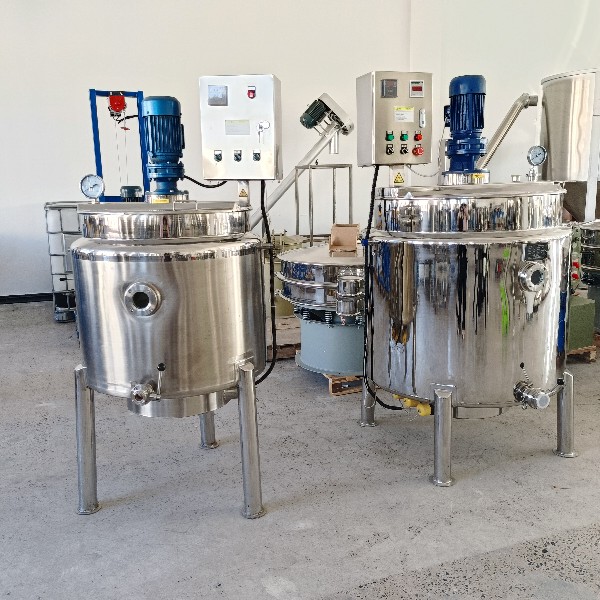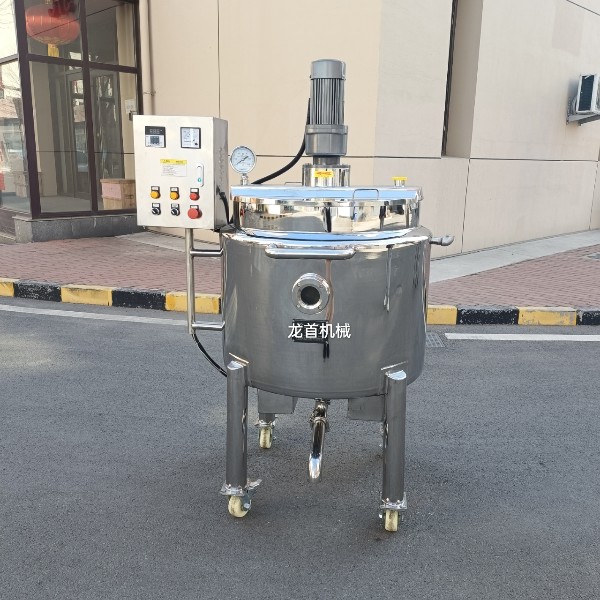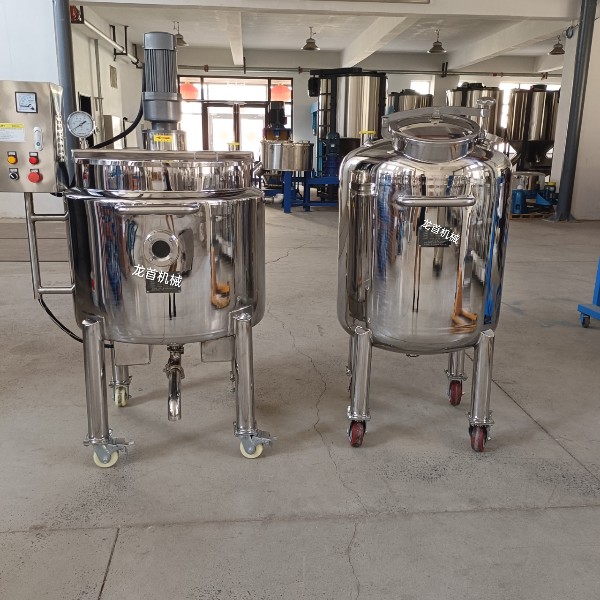
Today, let's talk about the mixing methods of stainless steel mixing tanks
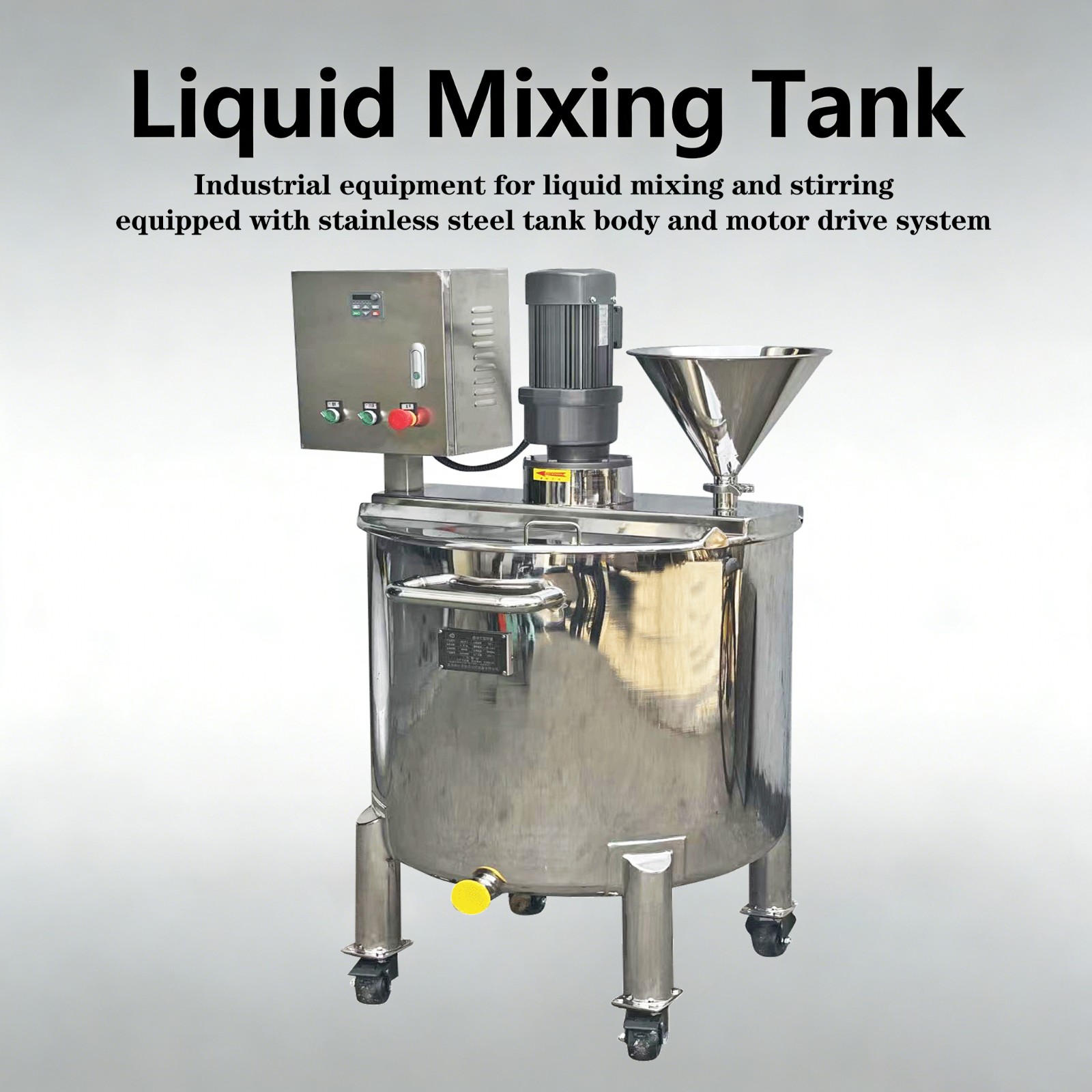 The mixing methods of stainless steel mixing tanks are divided into frame mixing, anchor mixing, scraping mixing, high-speed dispersion, bottom emulsification, high shear mixing, screw belt mixing, straight blade mixing, and combination mixing according to the structure of the mixing blades. Below, we will introduce which industries the mixing blades are suitable for material use.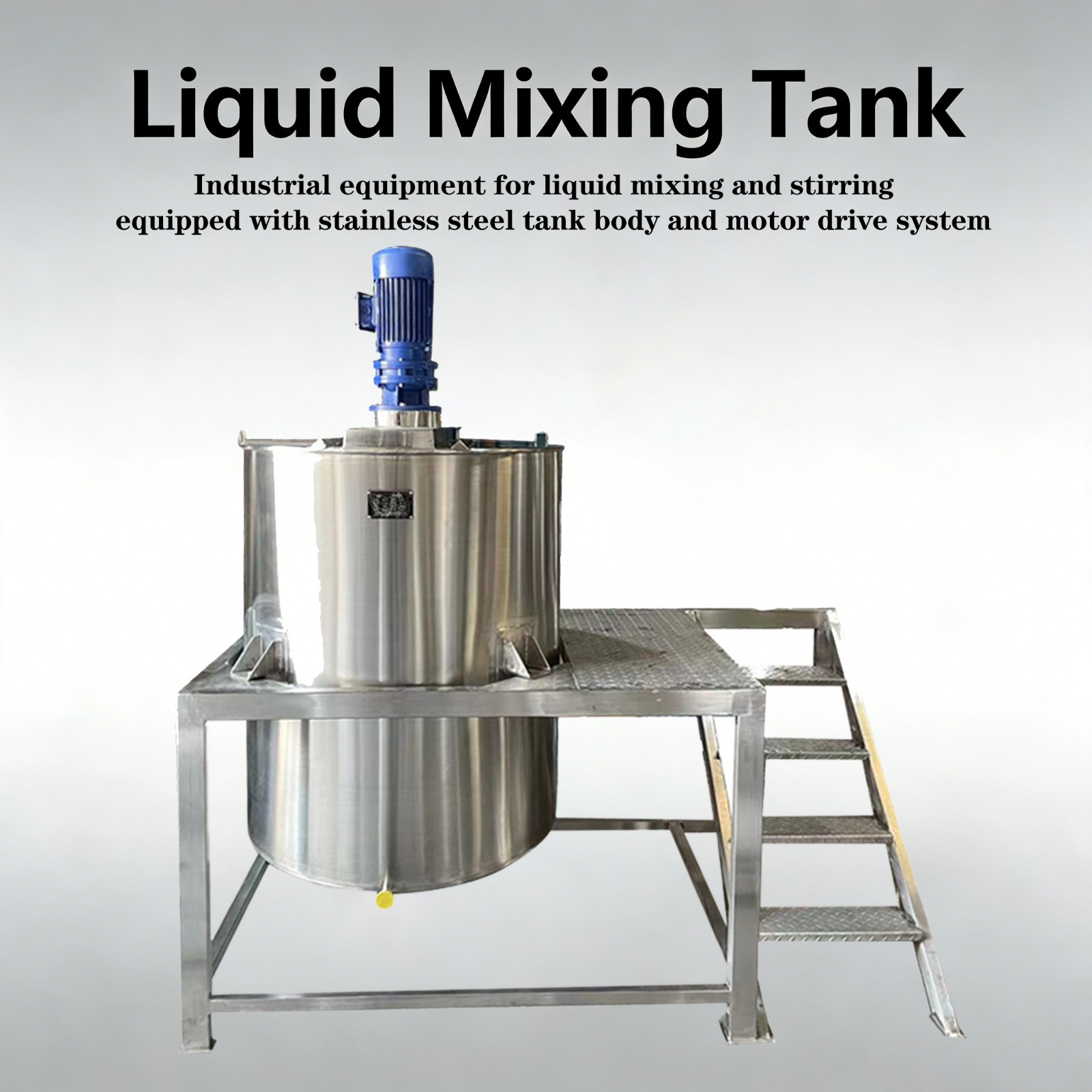
1. Frame type mixing blade
✅ Applicable materials: medium high viscosity materials, paste like, paste like, slow settling, requiring large-scale overall circulation; The viscosity is generally between 1000 and 10000 mPas. Example: Coatings, putty, sauces, adhesives, fermentation broth
✅ Applicable industries: chemical, food, coatings, adhesives
Features: Overall large frame, large range of pushing flow inside the tank, suitable for material flipping at the bottom and side walls of the tank, low-speed mixing.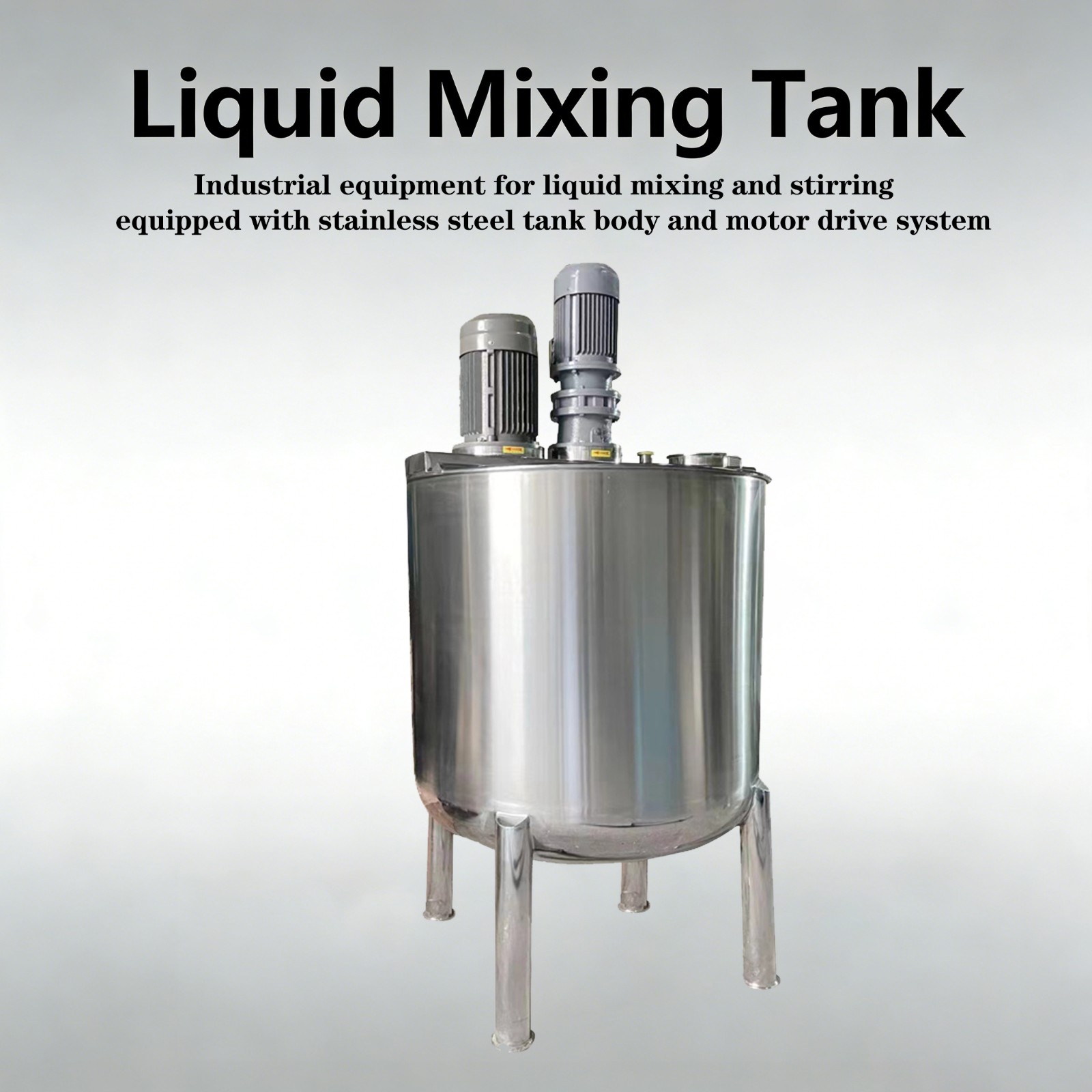
2. Anchor type agitator
✅ Applicable materials: medium to high viscosity, paste like substances to prevent sedimentation at the bottom of the tank; 500~20000mPas。 Example: Jam, cream, resin, ointment, asphalt cream
✅ Applicable industries: food, daily chemical, resin chemical
Features: Shaped like a ship anchor, close to the bottom of the tank, suitable for settling materials at the bottom, low speed.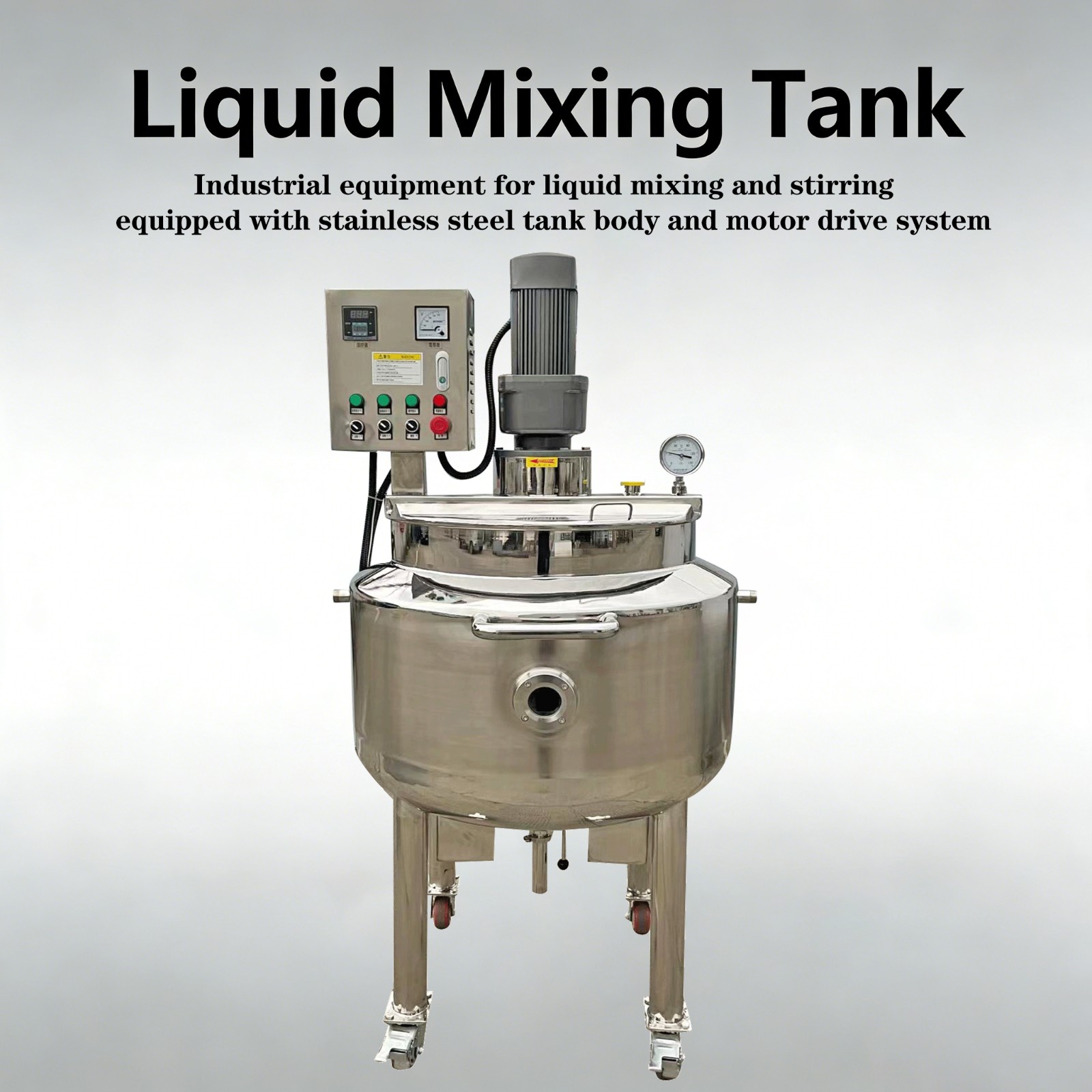
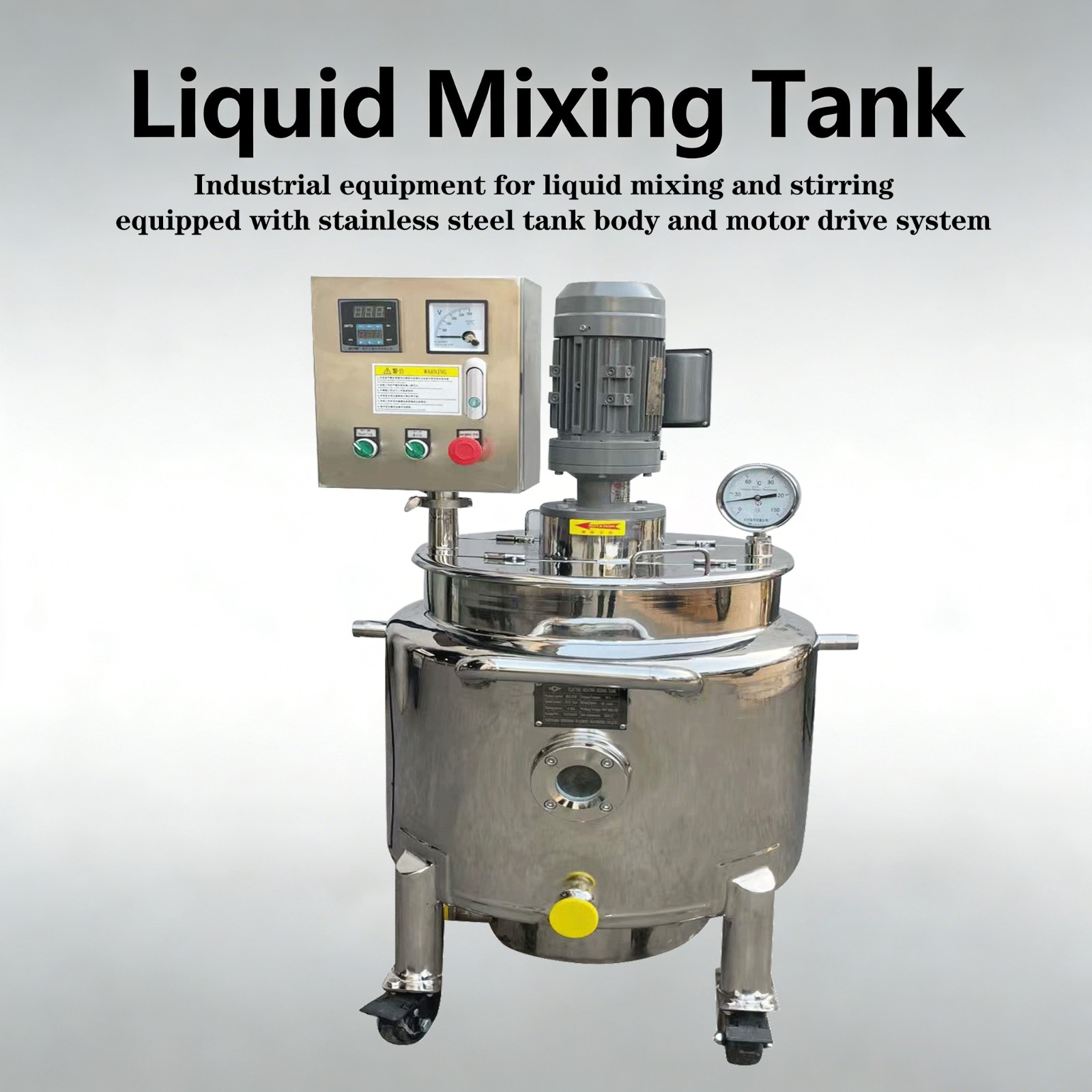
3. Anchor type scraping wall panel (anchor type+PTFE scraping wall panel)
✅ Applicable materials: high viscosity, easy to stick to walls, easy to crust materials; 1000~50000mPas。 Example: Cosmetics cream, chocolate sauce, silicone, hot melt adhesive, sugar paste
✅ Applicable industries: Daily chemical, food, polymer materials
Key point: Scrape the wall panel continuously to remove the attached material on the inner wall of the tank, avoiding material carbonization and wall drying due to heat. Heating reaction tanks are preferred.
 4. Dispersion disk (serrated dispersion disk)
✅ Applicable materials: low to medium viscosity, powder dispersed, wetted, and agglomerated particles crushed in liquid; <5000mPas。 Example: pigments, calcium carbonate, carbon black, dyes, coatings, inks
✅ Applicable industries: coatings, inks, pigments, lithium battery materials, chemical industry
Features: High speed sawtooth, disperses powder lumps, mainly for dispersion, weak effect in mixing high viscosity materials.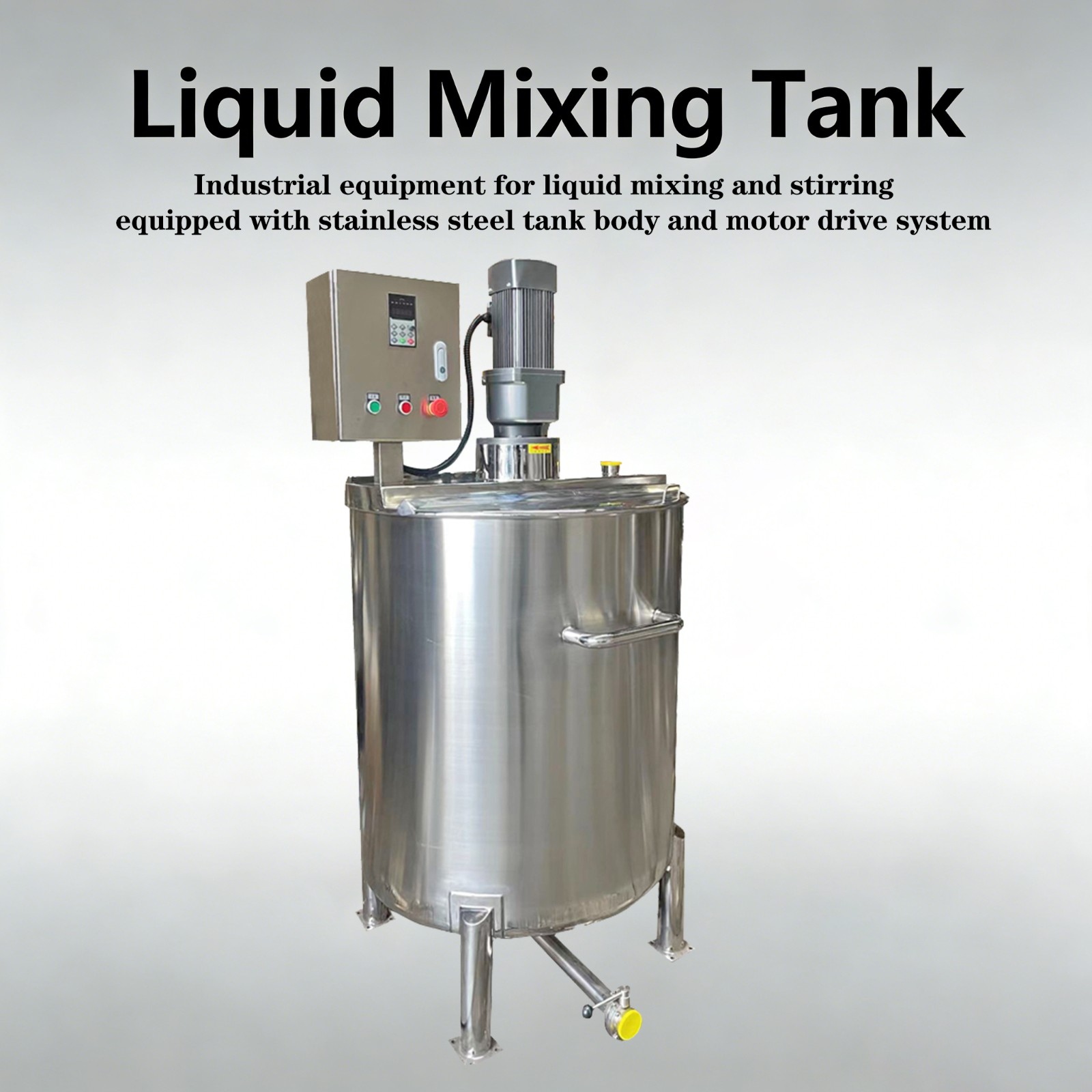
5. High shear emulsifier blade (high shear emulsifier head)
✅ Applicable materials: low to medium viscosity, oil-water emulsification, homogenization, and crushing of small particles; <10000mPas。 Example: lotion, face cream, laundry detergent, emulsifiable concentrates, food emulsions
✅ Applicable industries: Daily chemical, food
Principle: High speed shearing of stator and rotor, fine liquid drop, emulsification and homogenization, necessary for lotion.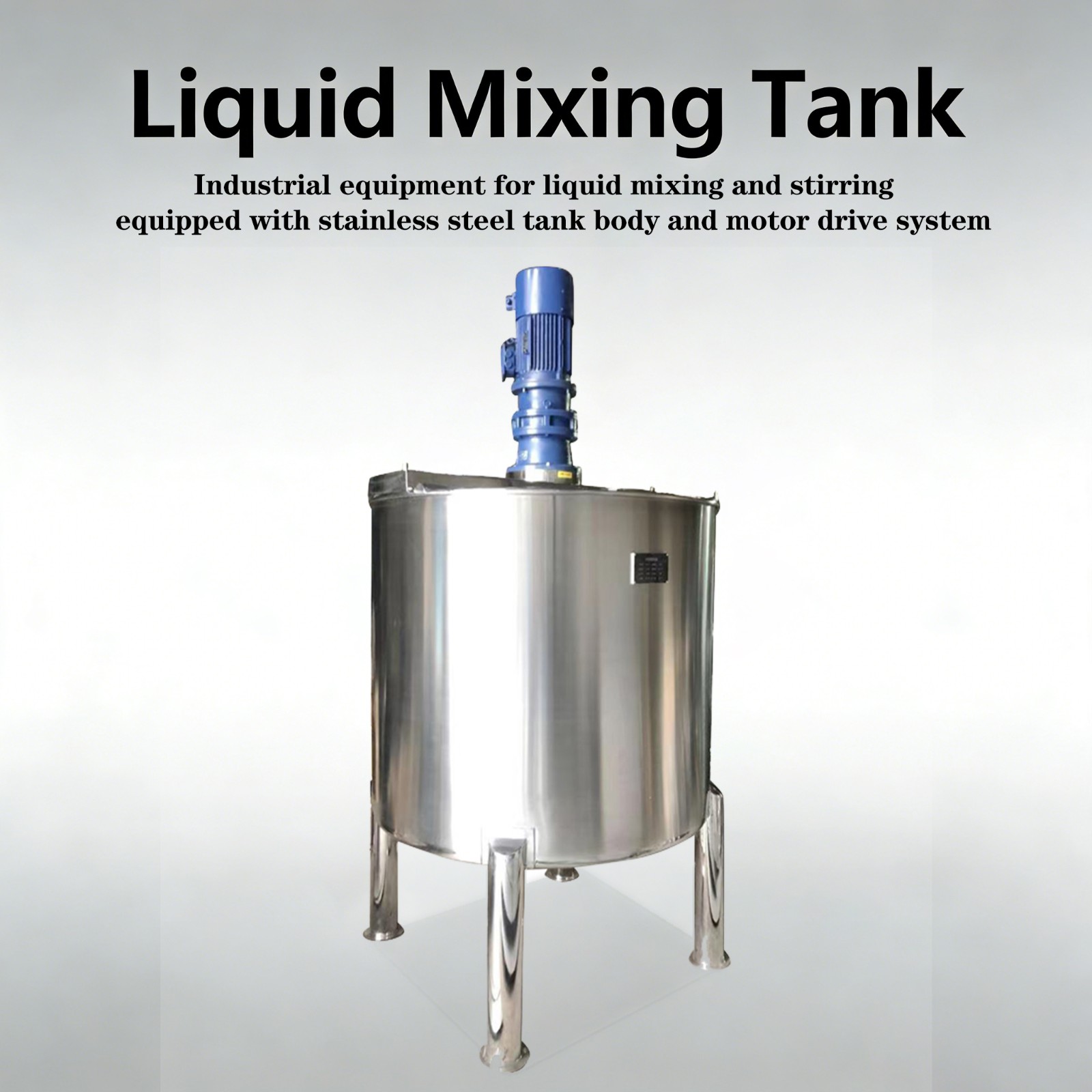
6. Single blade type (flat blade/single blade)
✅ Applicable materials: low viscosity liquid, simple mixing, slight suspension; <1000mPas。 Example: aqueous solution, diluent, saltwater
✅ Applicable industries: water treatment, basic chemical industry, simple ingredients
Characteristics: The structure is the simplest, low-speed, only for simple mixing, not suitable for powder dispersion and high viscosity.