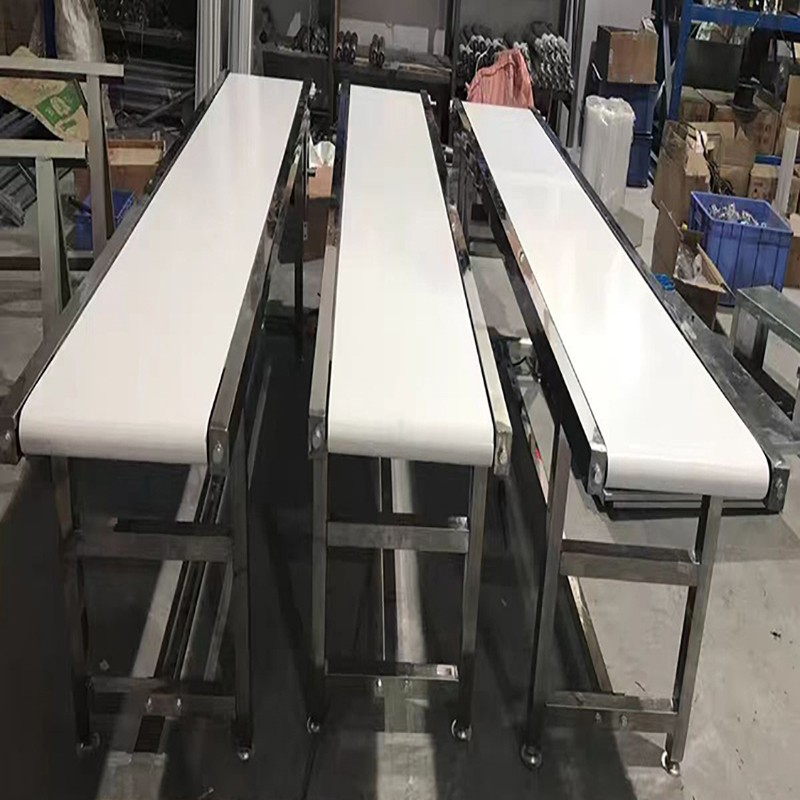
Today, the belt conveyor is commissioned before leaving the factory
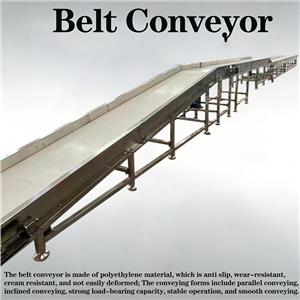
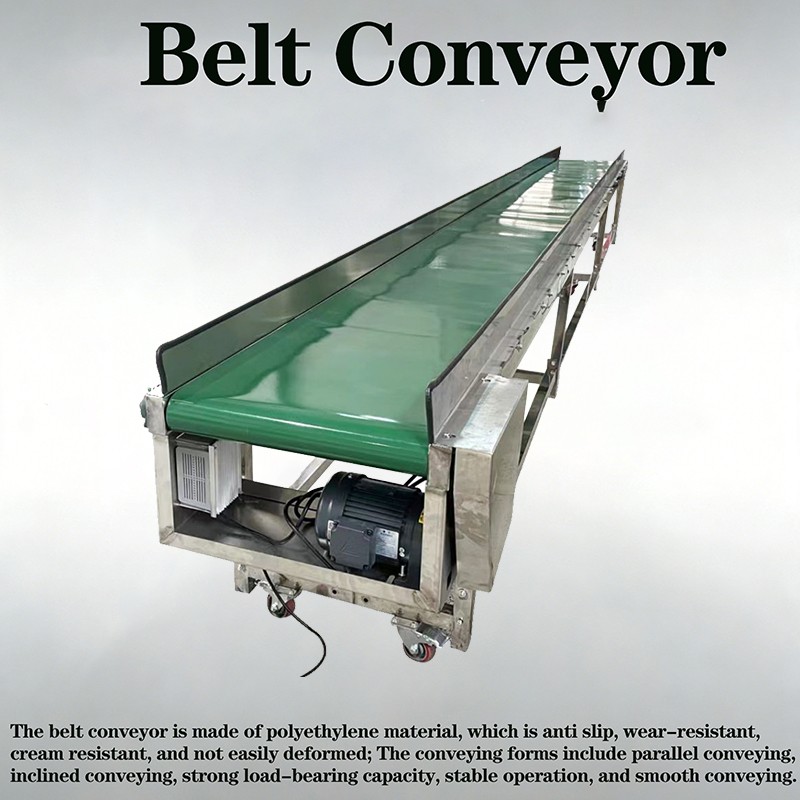 The belt conveyor relies on the driving motor to drive the active drum to operate, and relies on the friction between the drum and the belt to drive the circular belt to circulate, achieving continuous material transportation. The material is placed on the belt and moves smoothly with the belt, which can achieve horizontal, climbing or turning conveying; The supporting frequency converter can infinitely adjust the conveying speed and adapt to different production rhythms. The equipment has a simple structure, large conveying capacity, low operating noise, easy maintenance, and can be equipped with accessories such as baffles, skirts, and guardrails to meet the needs of anti scattering materials. It is widely used for conveying materials such as food, chemicals, granules, and packaging.
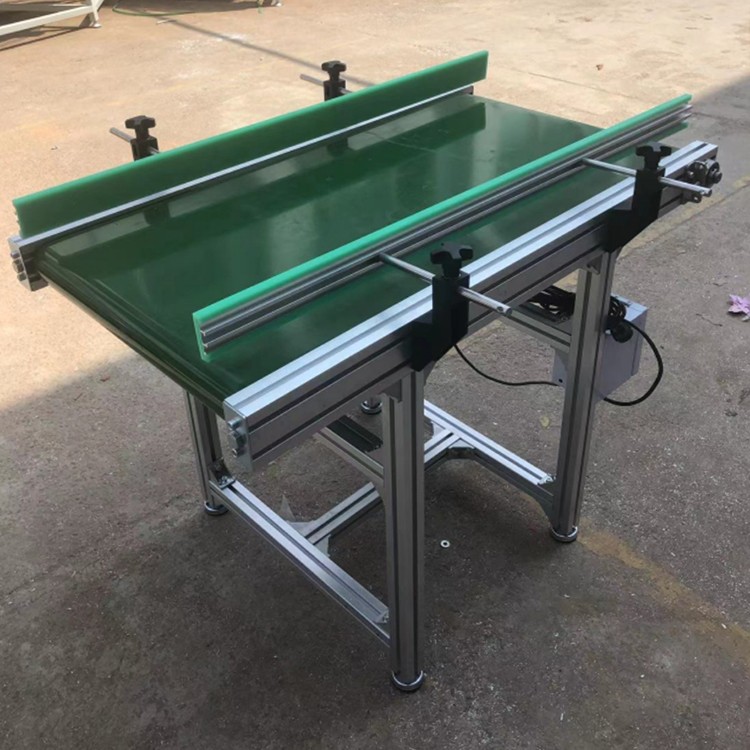
According to different working conditions and requirements, belt conveyors are mainly divided into the following two categories:
Ordinary belt conveyor: suitable for horizontal or small inclination (usually not exceeding 18 °) transportation of materials inside the factory.
Large angle (edge blocking) belt conveyor: Installing edges and partitions on both sides of a regular conveyor belt can achieve large angle or even vertical conveying.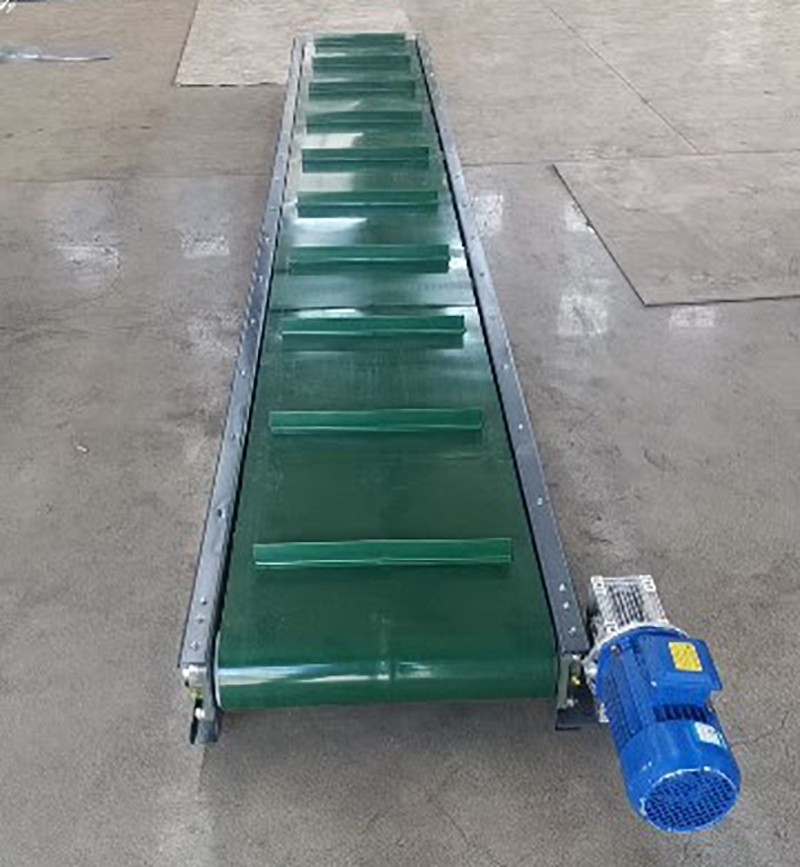
Main advantages of belt conveyor:
Superior structure: The overall structure is simple, lightweight, and the manufacturing and installation costs are low.
Efficient and energy-saving: Strong conveying capacity, smooth operation with low resistance, low energy consumption, and easy implementation of automated operations.
Strong adaptability: Different materials (such as cold resistant, acid and alkali resistant, flame retardant) of conveyor belts can be customized according to the properties of the materials, flexibly meeting the transportation requirements of various industrial sectors.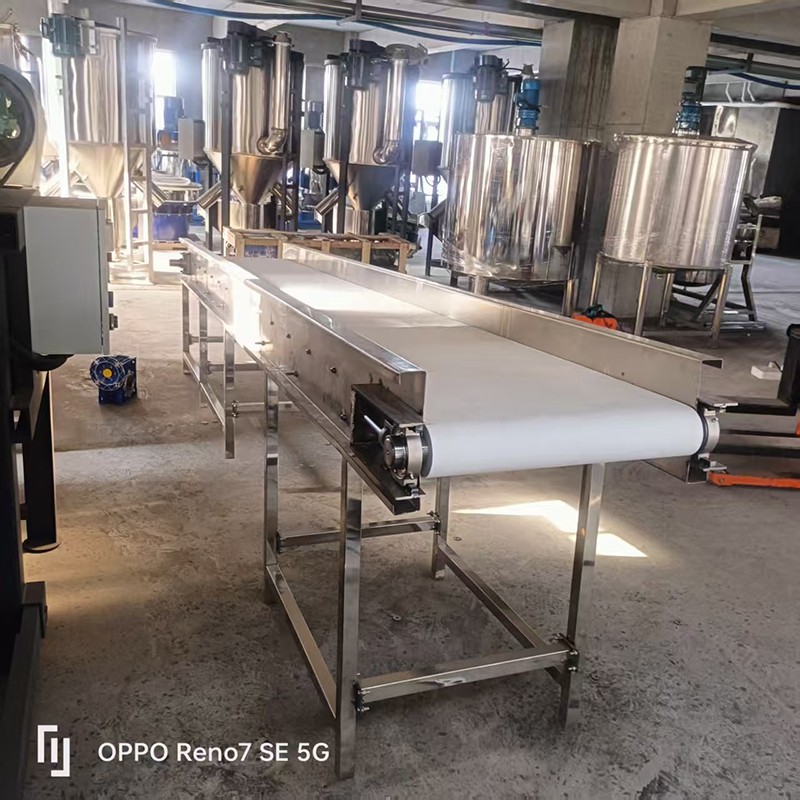
Belt deviation should follow the principle of "running tight but not loose, running high but not low, and running after but not before", and be fine tuned in an unloaded state, with a small amount and multiple times, and not adjusted too much at once.
1. First, check whether there is any adhesive on the surface of the roller and drum; Is the rack level and deformed; Is the belt joint straight; Is there a significant difference in tension margin between the two sides.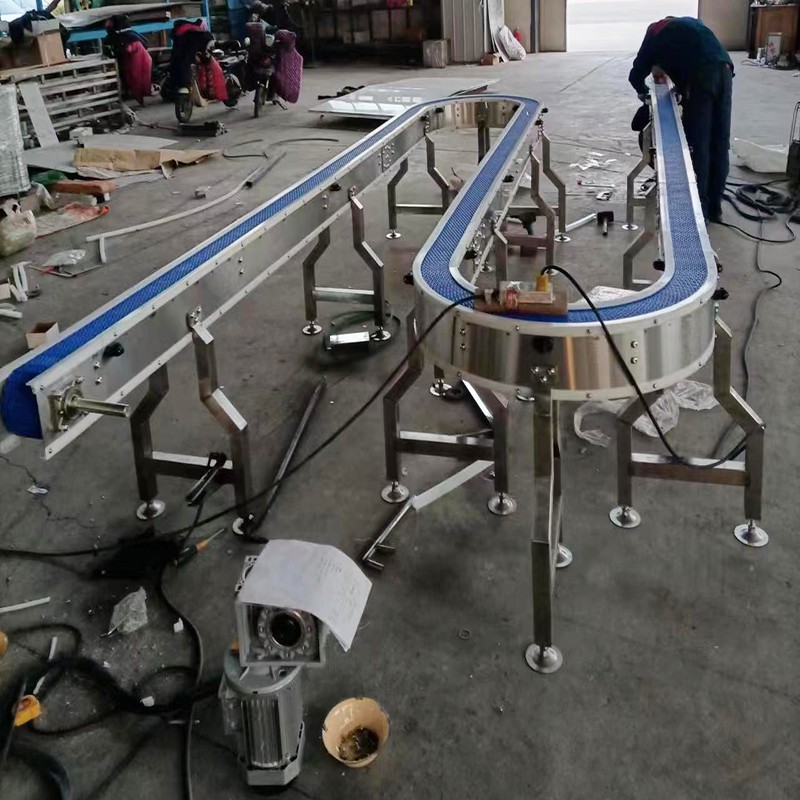
2. Head active roller deviation: On which side of the belt is running, tighten the adjusting bolt on that side and loosen it appropriately on the other side.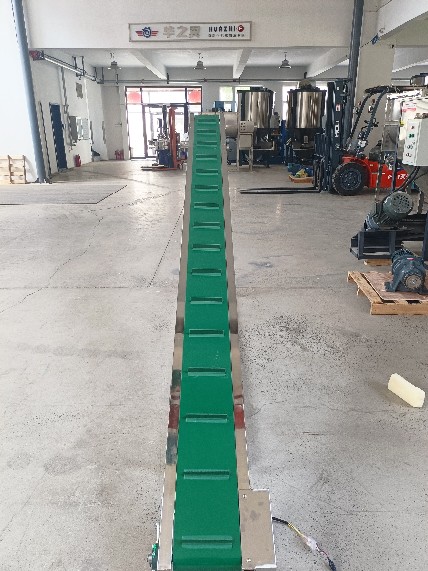
3. Deviation of the middle roller section: Which side does the belt deviate from? Adjust the roller at that position slightly towards the direction of the belt's forward movement and guide the belt back to the center.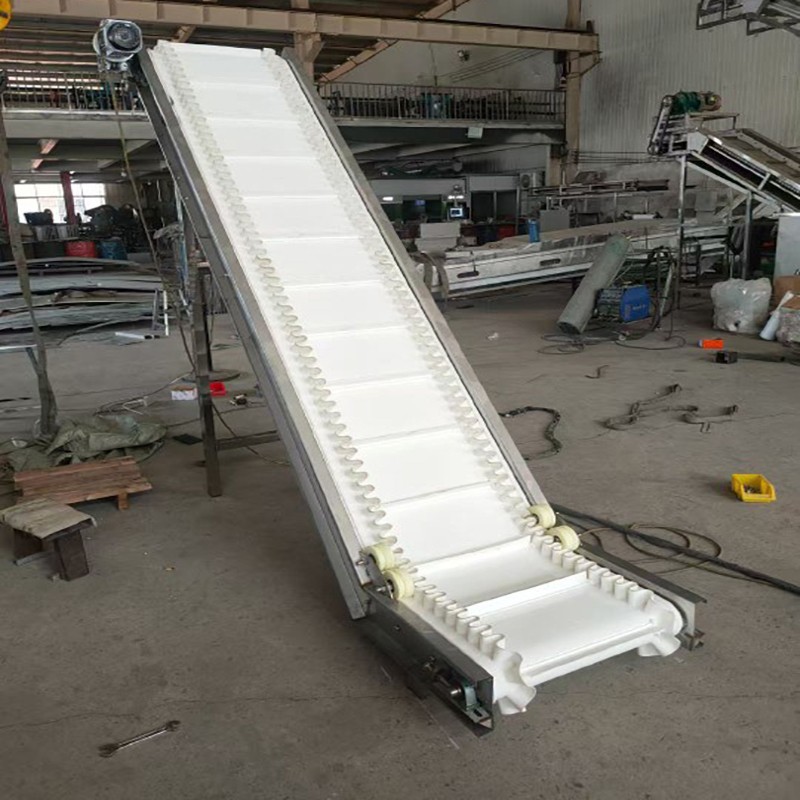
4. Tail tensioning drum deviation: Consistent with the adjustment logic of the head drum, the belt runs towards the side that is tight, and the tensioning screw is slowly adjusted.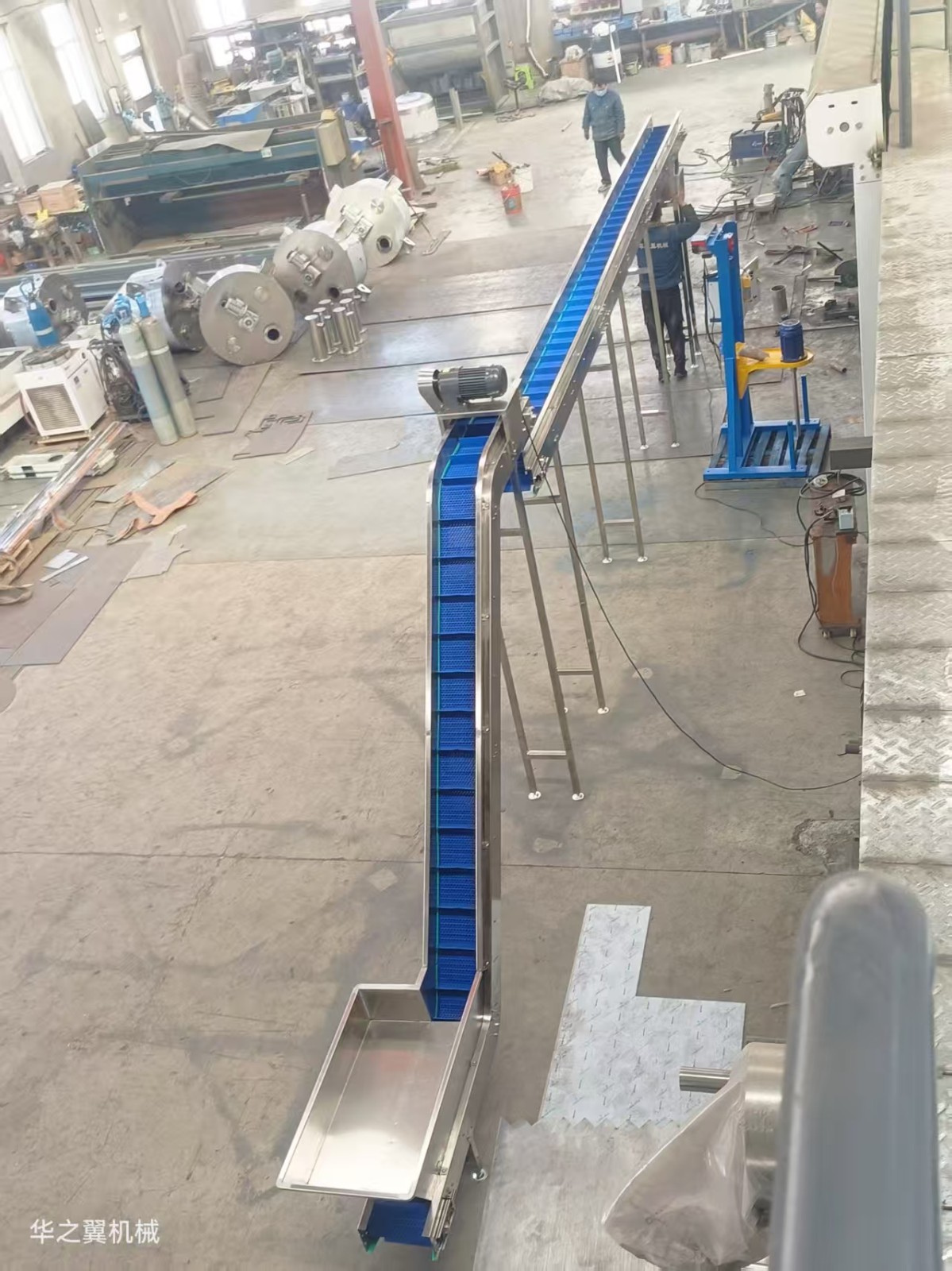
5. Supporting assistance: Anti deviation vertical rollers can be installed, and automatic limit correction can be performed when the belt deviates; Materials should be fed in the center of the belt as much as possible, as deviation can easily lead to deviation.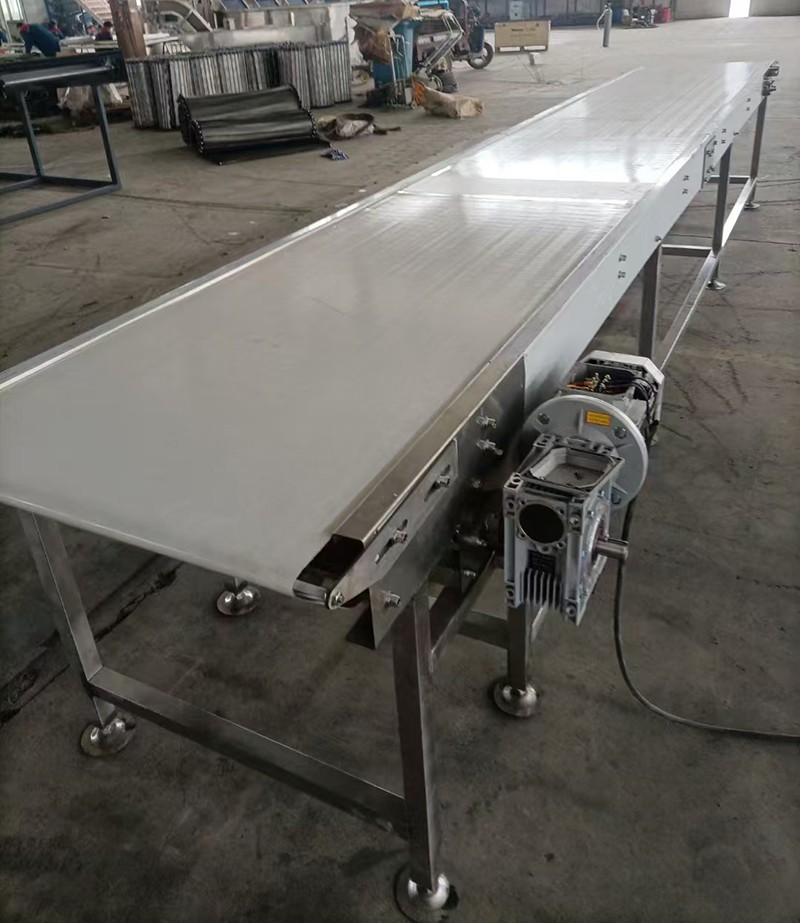
6. Debugging sequence: First, perform no-load debugging, and then test the machine with materials after debugging; Adjust the amplitude small each time, observe the changes after running for a few minutes, and repeatedly adjust to the center.