Today, let me introduce the specific uses and functions of vacuum reactors
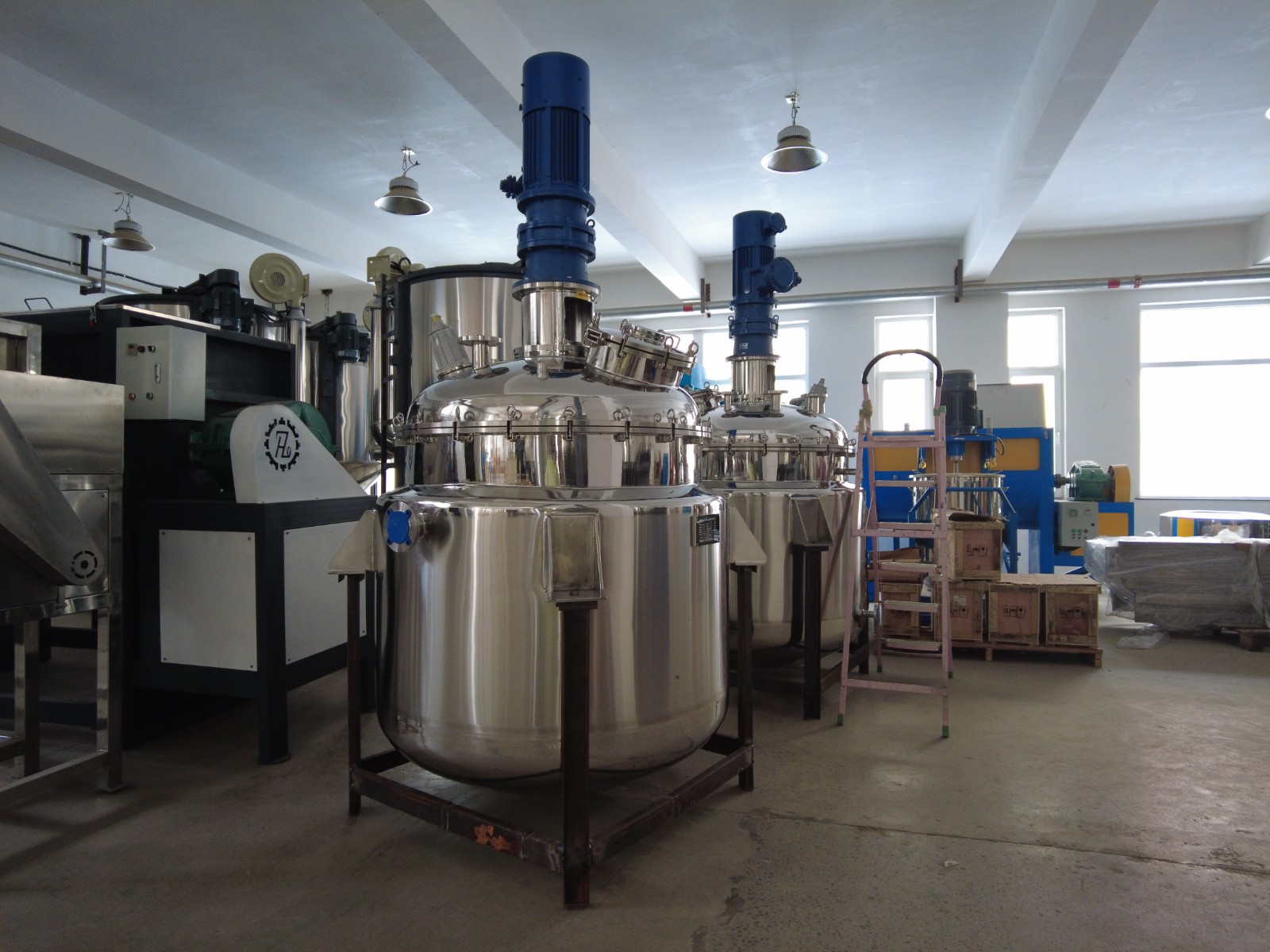
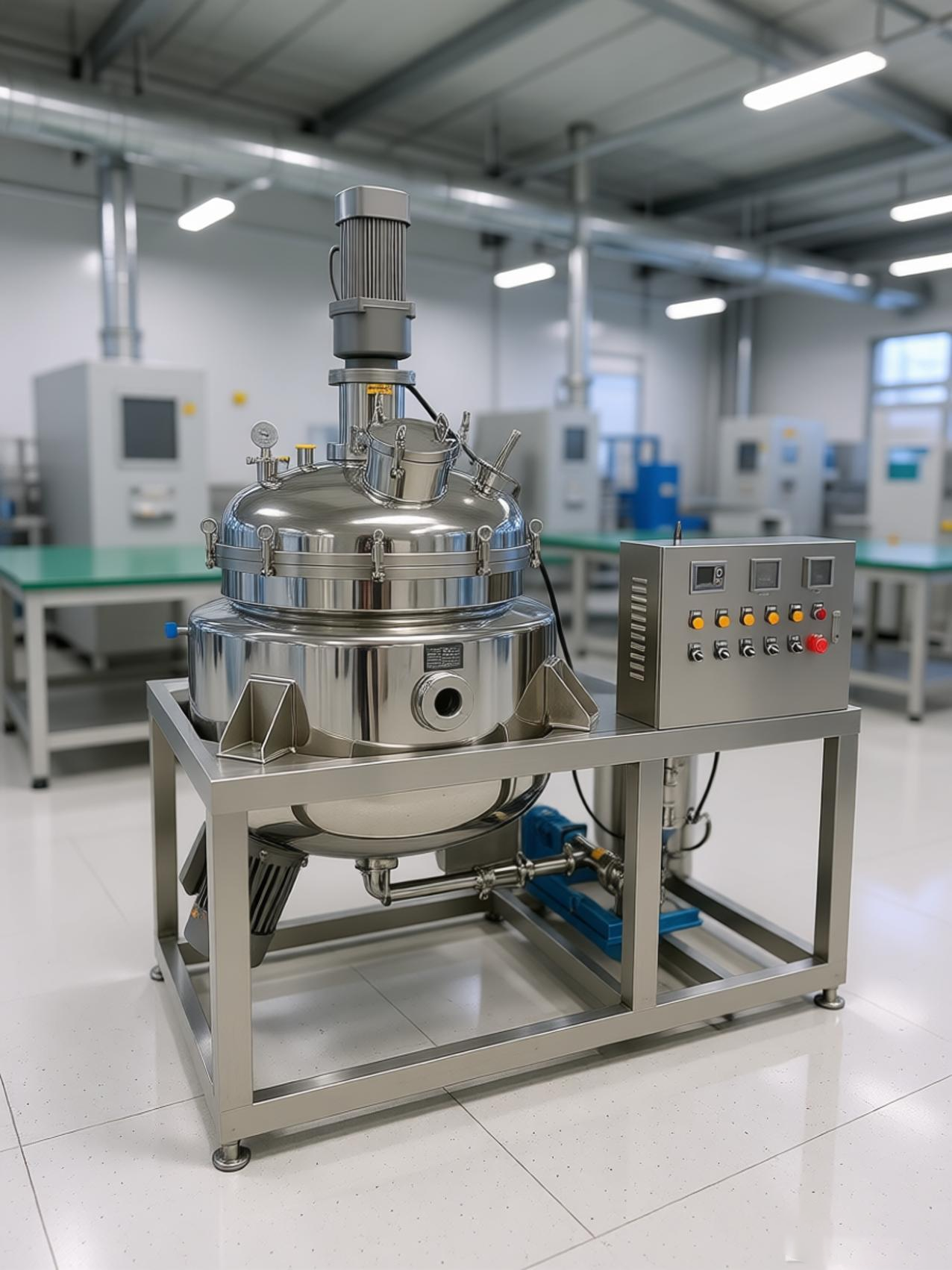
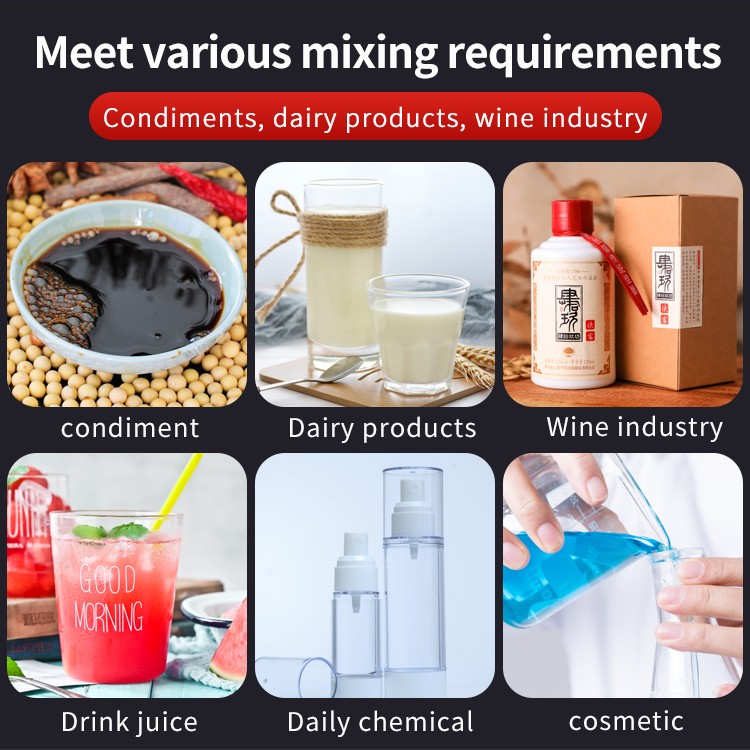
Vacuum reaction vessels are widely used in industries such as food, chemical, coatings, building materials, pigments, resins, and scientific research. Suitable for mixing and stirring different materials, such as the production of shampoo, glue, ink, paint, shower gel, and other mucous substances for mutual mixing, dissolution, and even mixing. It integrates heating, stirring, homogenization, temperature control, cooling, and other functions, making it an ideal equipment for the daily chemical industry.
The heating methods for stainless steel reaction vessels include electric heating, hot water heating, thermal oil circulation heating, far-infrared heating, steam heating, external (internal) coil heating, etc. The cooling methods include jacket cooling and internal coil cooling.
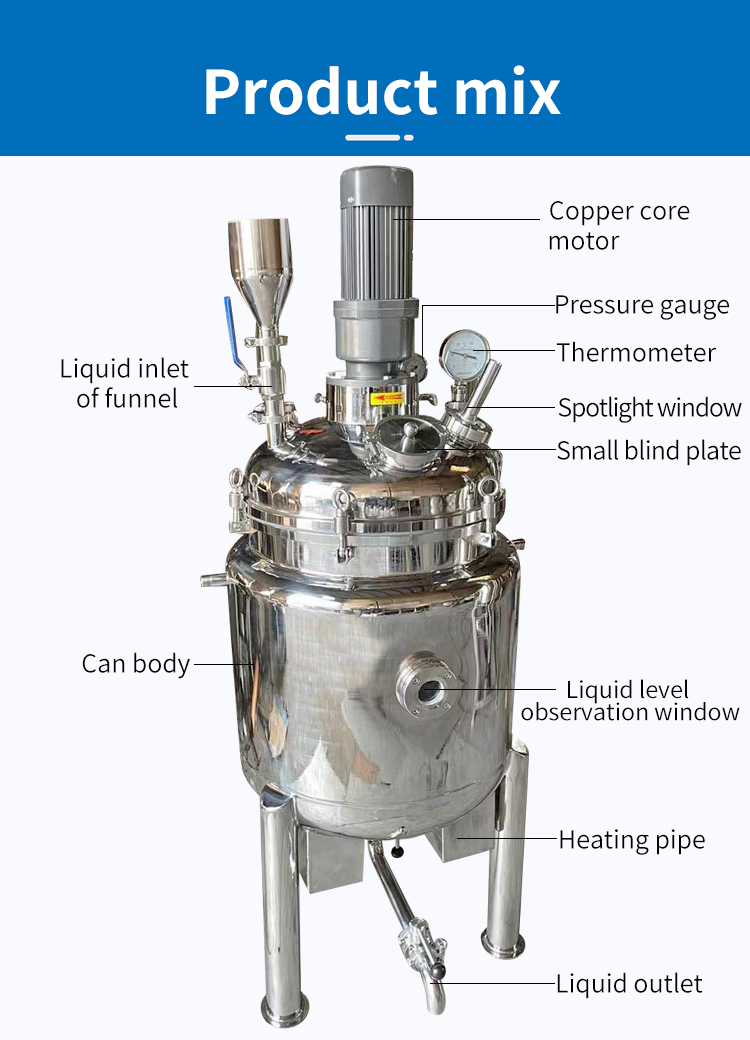
The working principle of a reaction kettle is to add reactants to a reaction vessel, and control the temperature, pressure, and stirring speed during the reaction process through a heating/cooling system and a stirring system, causing the reactants to undergo chemical reactions and ultimately obtain the required products.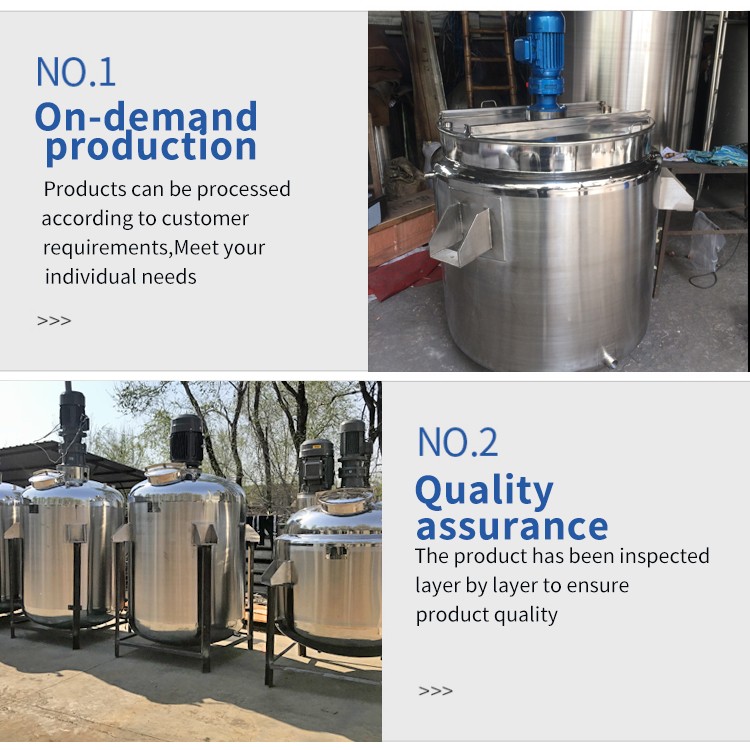
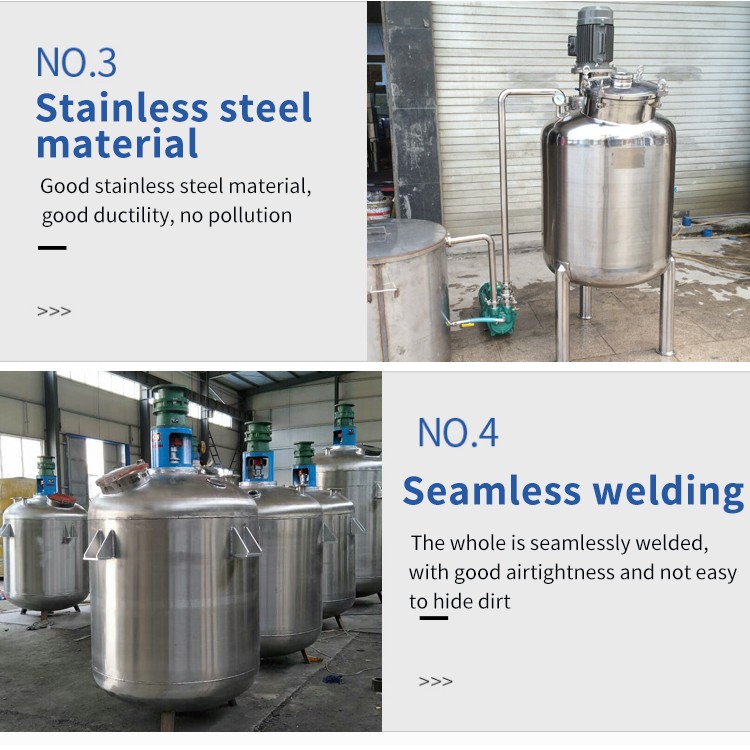
Reactors can be divided into different types based on different reaction conditions and the characteristics of reactants, such as atmospheric pressure reactors, high-pressure reactors, vacuum reactors, stirred reactors, etc. Different types of reaction kettles need to be selected based on specific circumstances when used.
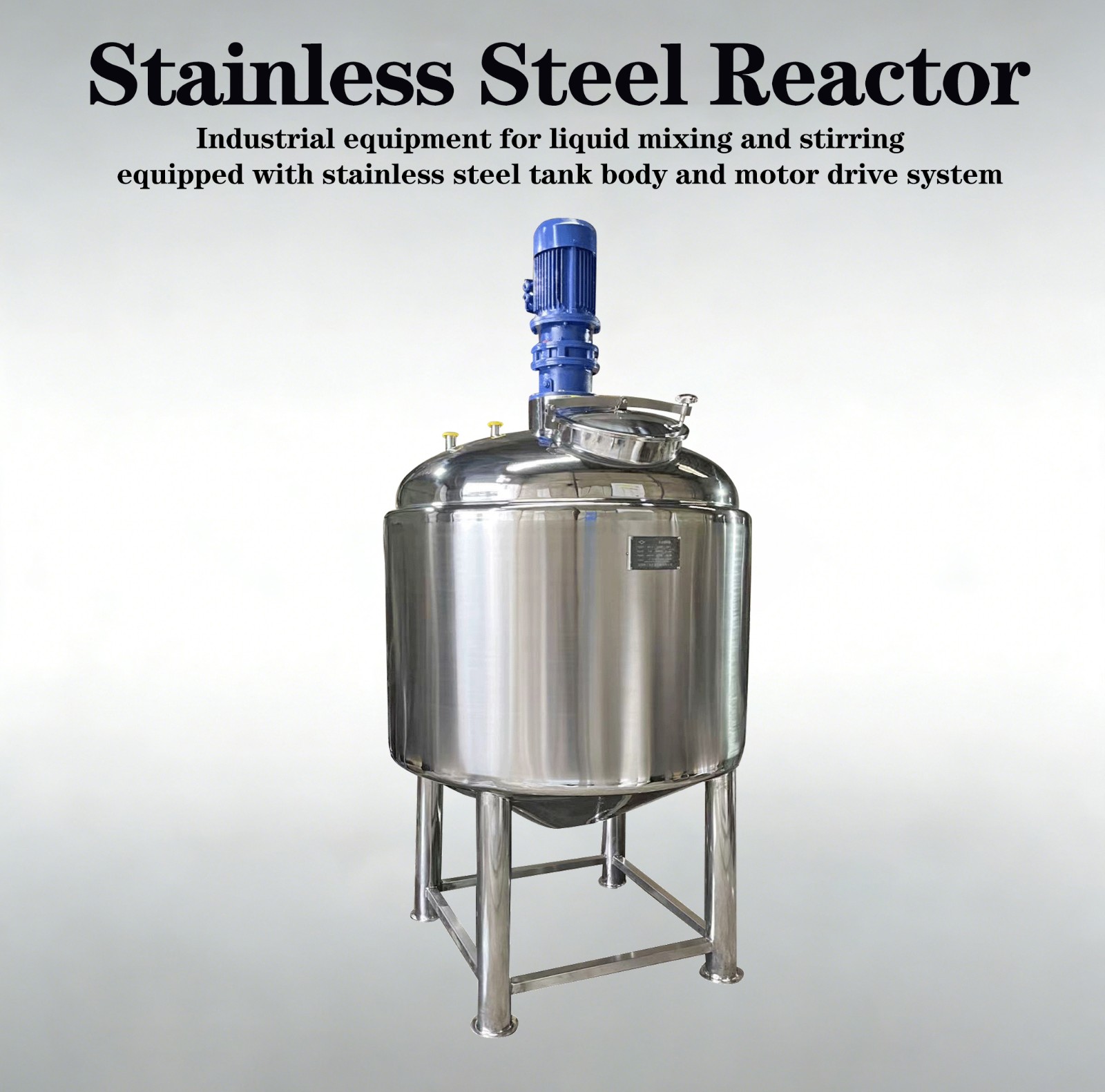
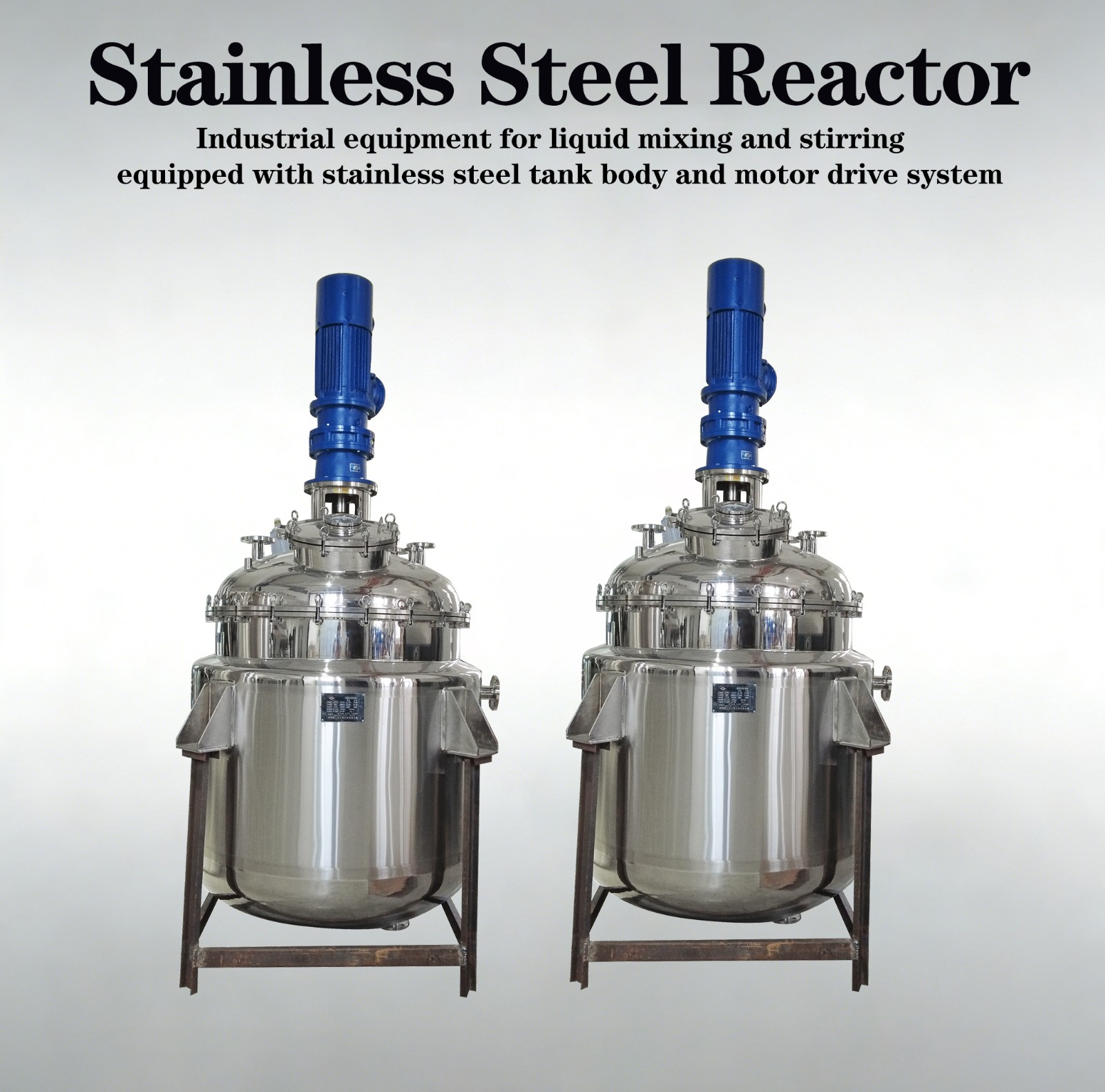
The stainless steel reaction kettle consists of a barrel body, jacket, upper cover, stirrer, support and transmission device, shaft seal device, and other structures. It has the characteristics of rapid heating, high temperature resistance, corrosion resistance, hygiene, no environmental pollution, simple operation, and easy use.
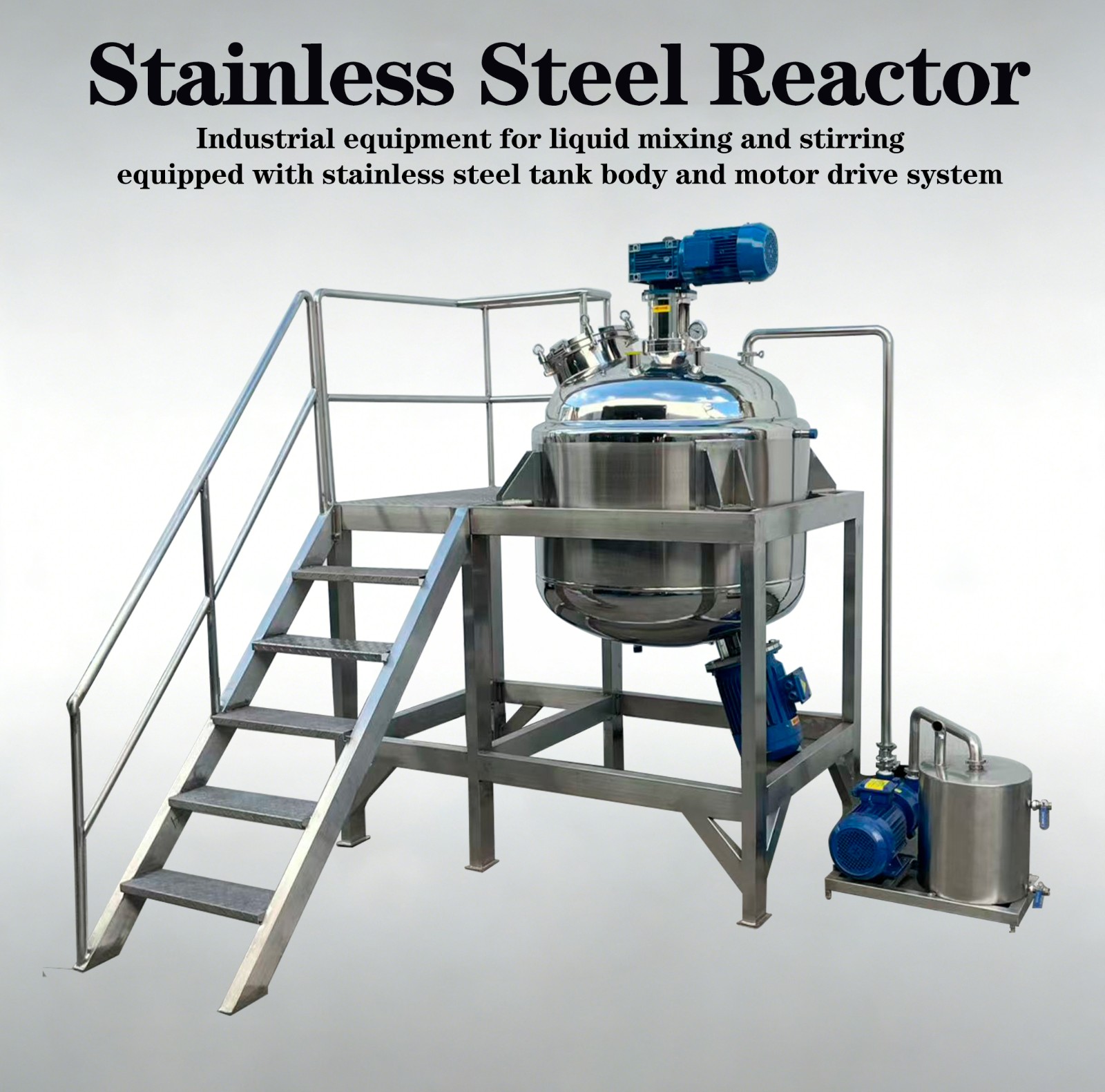
Characteristics of stainless steel reaction kettle:
1. Stainless steel material has excellent mechanical properties, can withstand high working pressure, and can also withstand the impact of block solid material feeding.
2. It has excellent corrosion resistance and no rusting phenomenon.
3. Good heat resistance, with a wide working temperature range (-196-600 ℃). It does not oxidize and peel at higher temperatures, so it can be used for direct fire heating.
4. The heat transfer effect is better than that of an enamel reactor, with faster heating and cooling rates.
5. It has good processing performance and can be made into reaction kettles of various shapes and structures according to process requirements. The kettle wall can be polished and polished to prevent hanging of materials and facilitate cleaning.